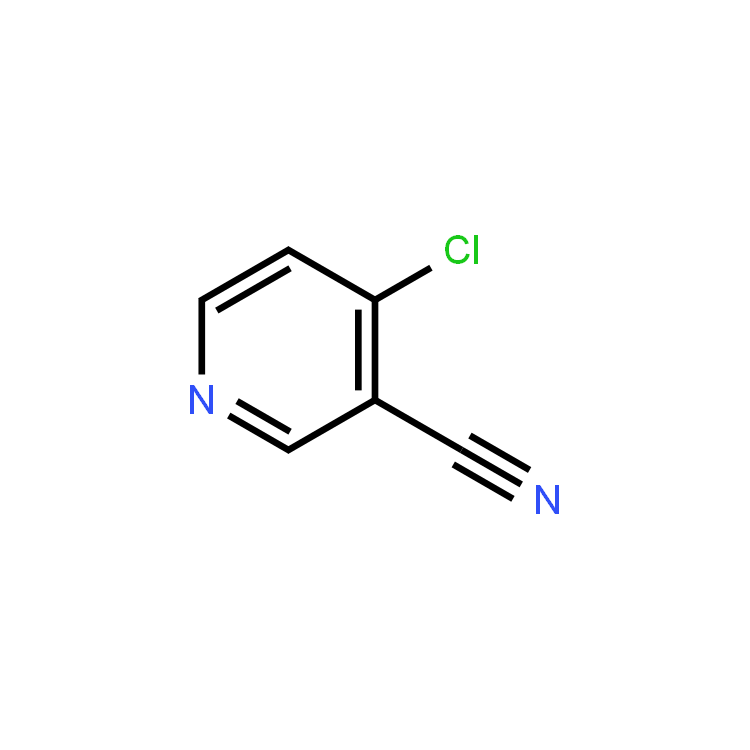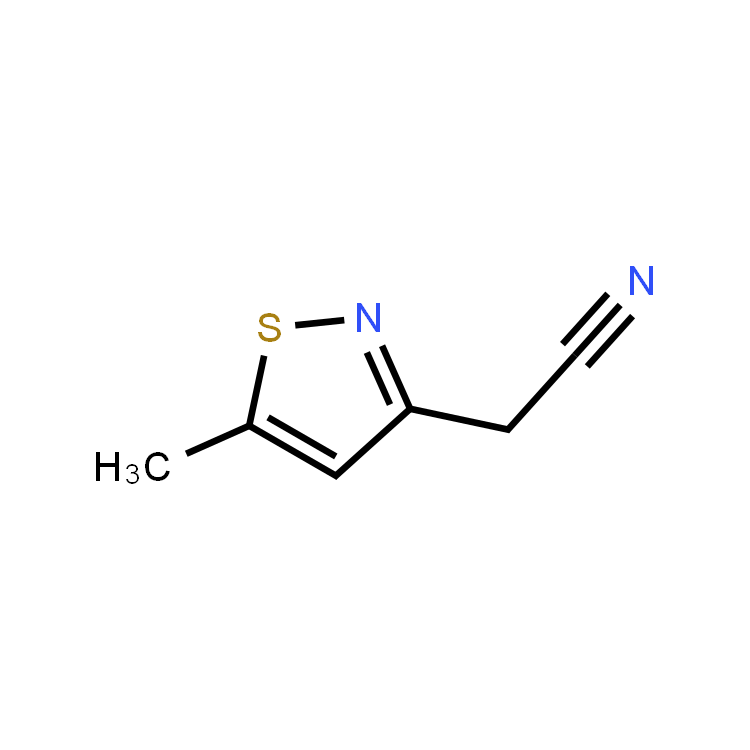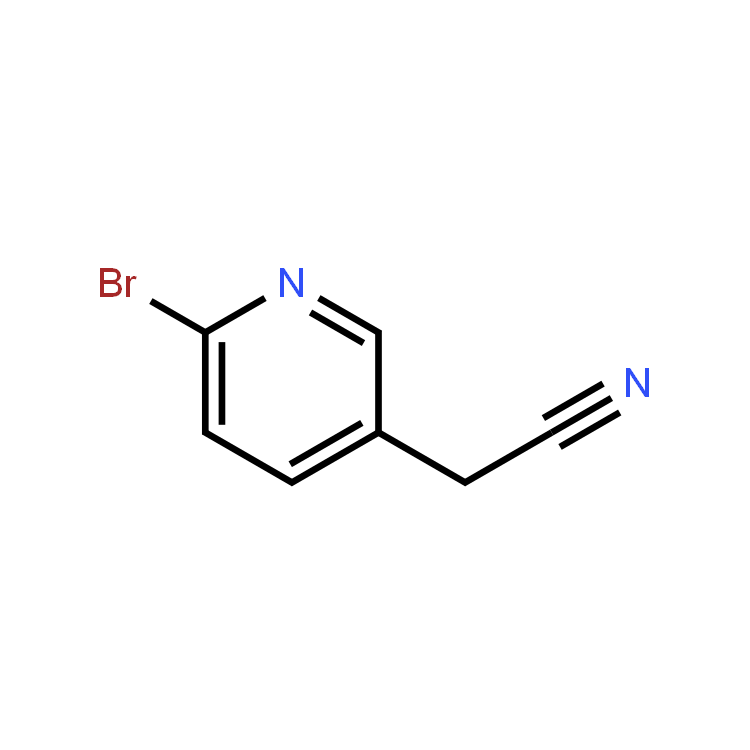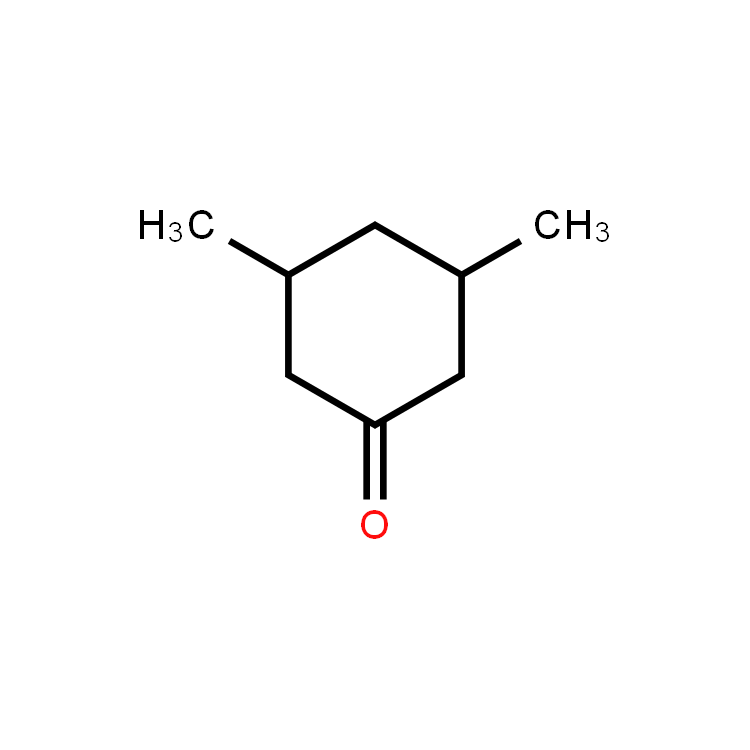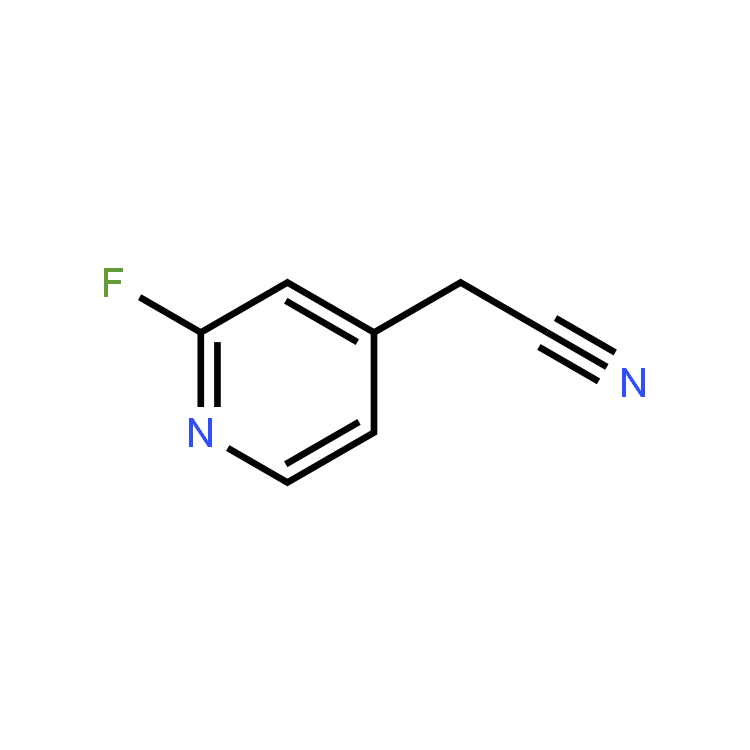
Pesticide intermediate, intermediate of pesticide oxazolyloxalamine [256412-89-2]/ prooxazolium [71238-80-2]
AI Product Description
*The following content is generated by AI and is for reference only.
Glipizide is a widely utilized oral antidiabetic medication belonging to the second-generation sulfonylurea class. Primarily prescribed for the management of type 2 diabetes mellitus, it functions by stimulating insulin secretion from pancreatic beta cells in response to elevated blood glucose levels. This mechanism helps lower hyperglycemia and improve glycemic control in patients who have not achieved adequate regulation through diet and exercise alone. The chemical identity of Glipizide is defined by its molecular formula, C₂₁H₂₇N₃O₄S, and it is uniquely identified by the CAS registry number 29094-61-9. Its structural composition features a pyrazinyl group linked to a sulfonamide moiety, which is critical for its high affinity toward ATP-sensitive potassium channels on the beta-cell membrane.
As a therapeutic agent, Glipizide is distinguished by its rapid onset of action and relatively short duration compared to first-generation sulfonylureas like tolbutamide. It is available in various formulations, including immediate-release tablets and extended-release (glipizide XL) capsules, allowing for flexible dosing schedules tailored to individual patient needs. The extended-release version provides a steady plasma concentration over twenty-four hours, potentially reducing the frequency of hypoglycemic episodes associated with peak drug levels. Clinicians often prefer Glipizide due to its potent efficacy at low doses and favorable pharmacokinetic profile, although caution is required in patients with hepatic or renal impairment.
Common side effects include hypoglycemia, weight gain, and gastrointestinal disturbances. Serious but rare adverse reactions may involve hematologic abnormalities or severe skin eruptions. While effective as monotherapy, Glipizide is frequently combined with metformin or other antidiabetic agents to achieve optimal glycemic targets. Despite the emergence of newer drug classes like SGLT2 inhibitors and GLP-1 receptor agonists, Glipizide remains a cost-effective and reliable option in global diabetes management protocols. Proper patient education regarding meal timing and symptom recognition is essential to ensure safe and effective treatment outcomes.