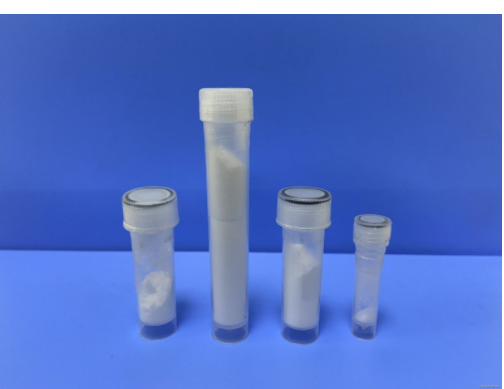
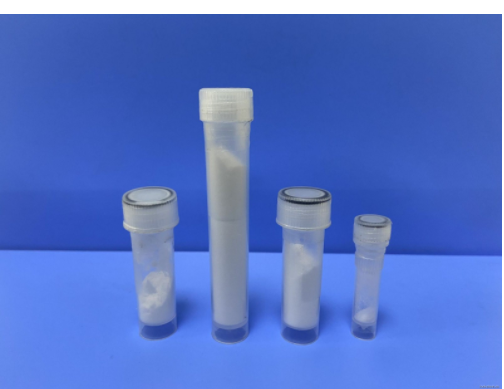
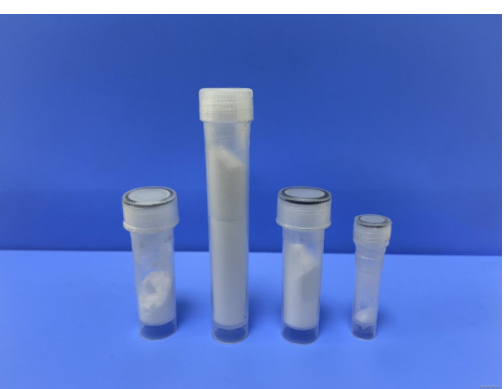
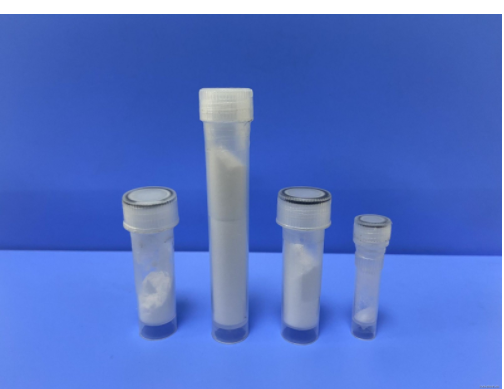
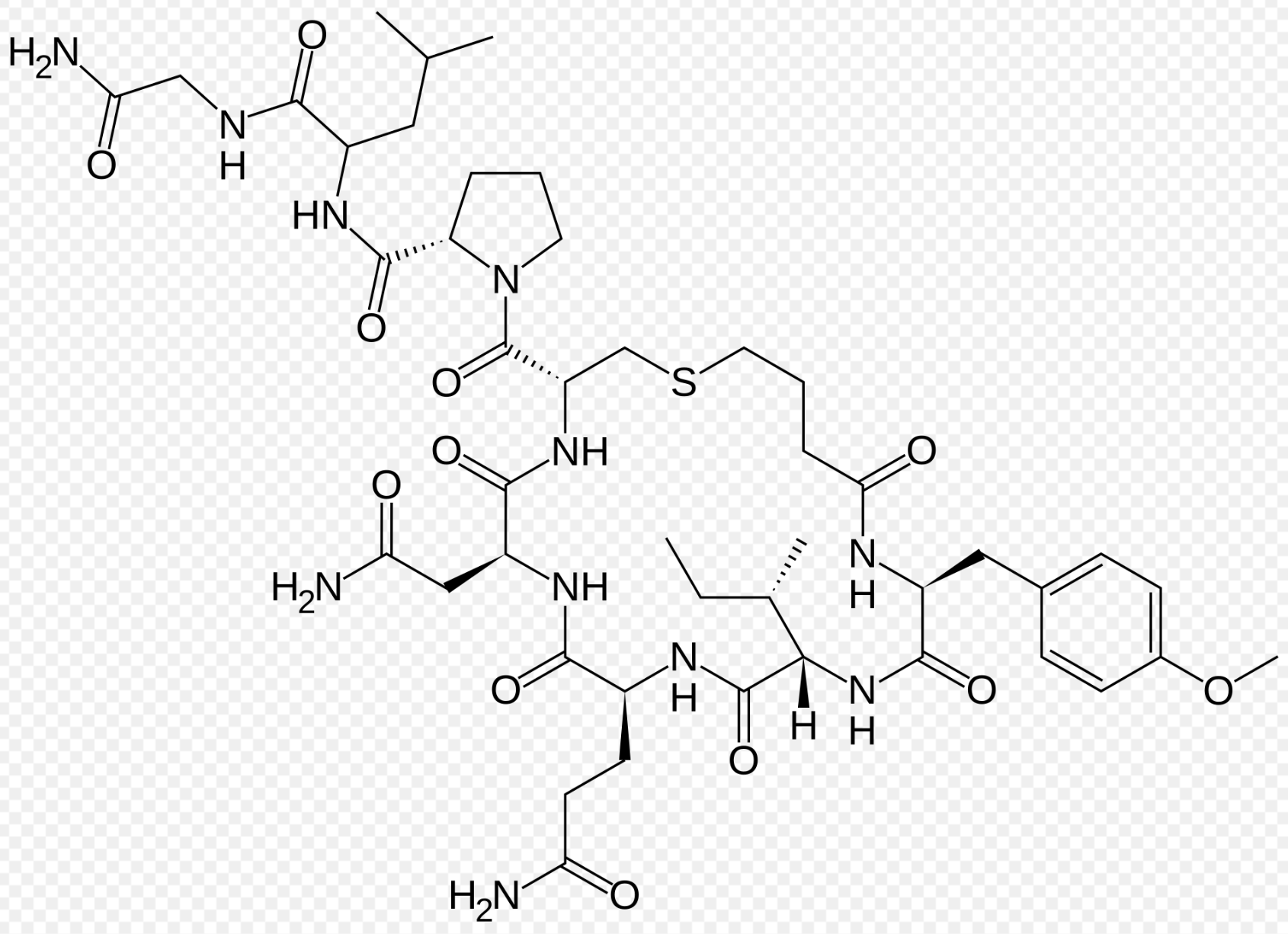
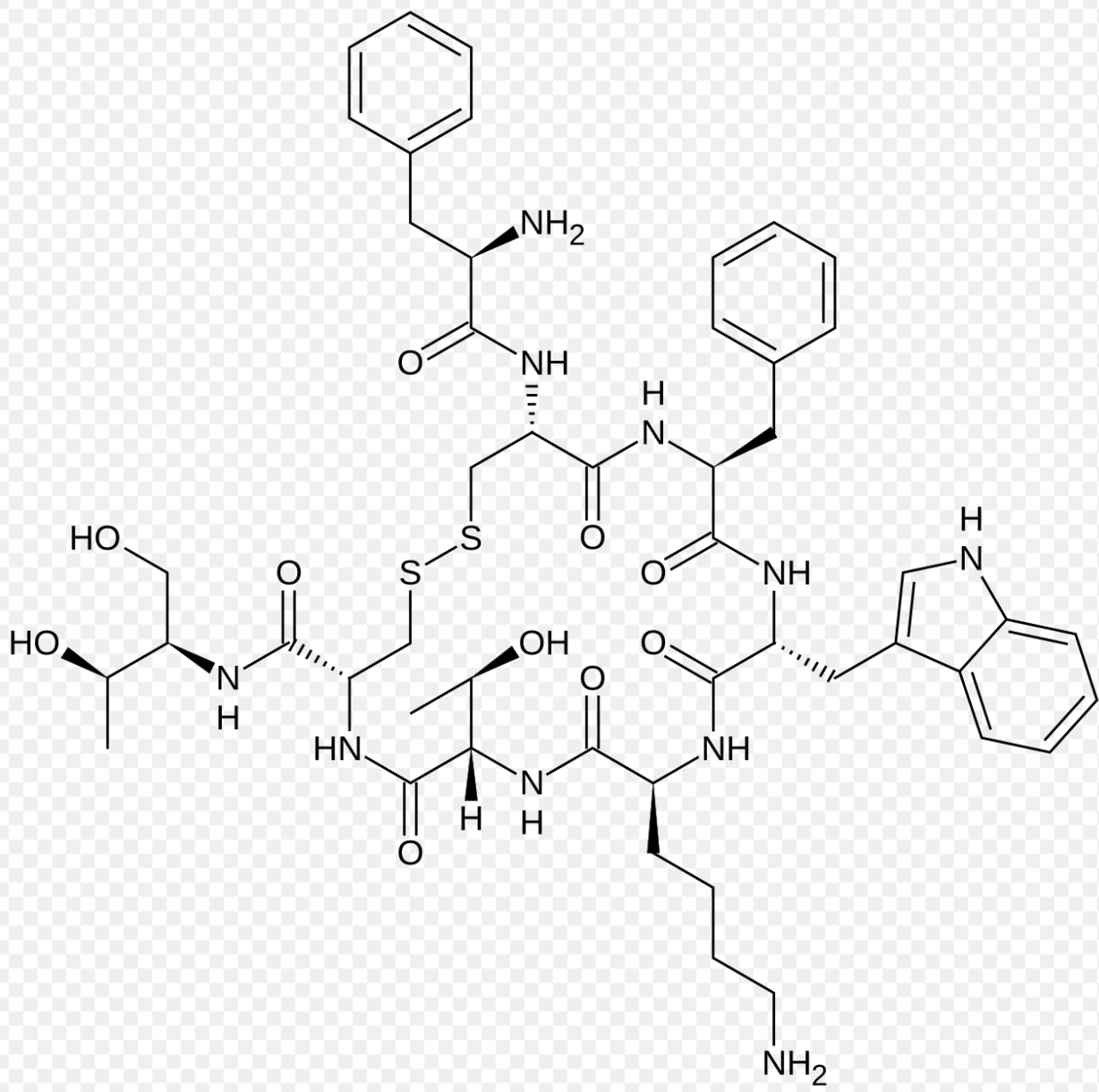
Product Description
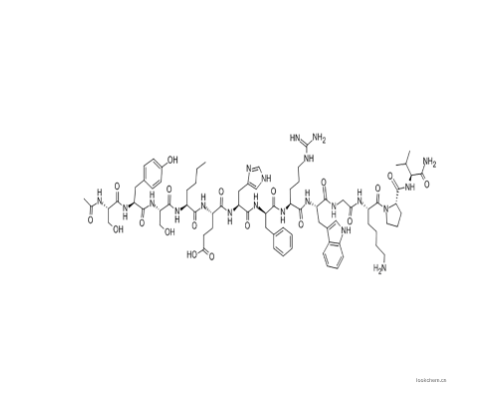
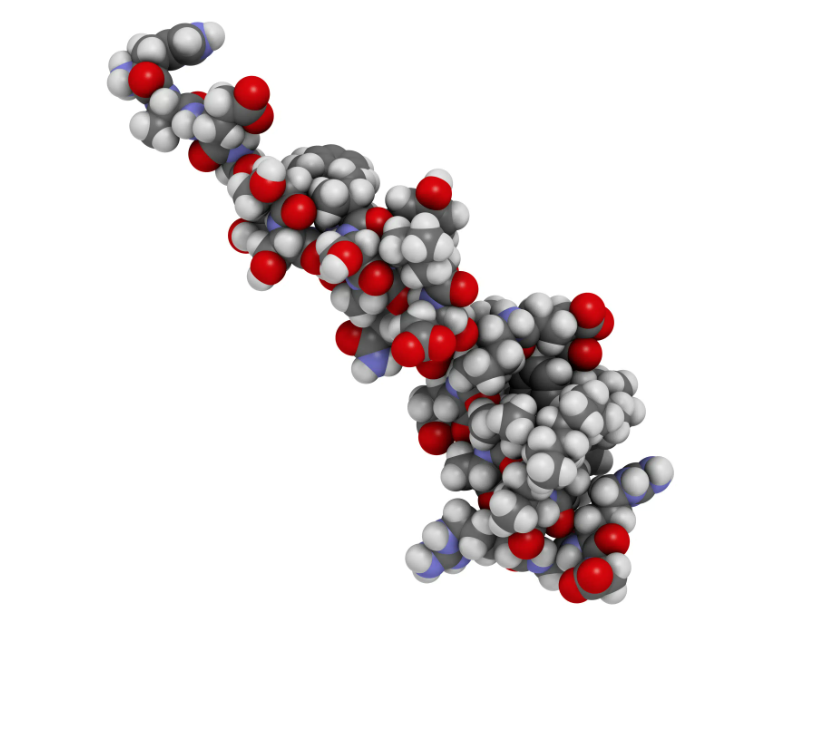
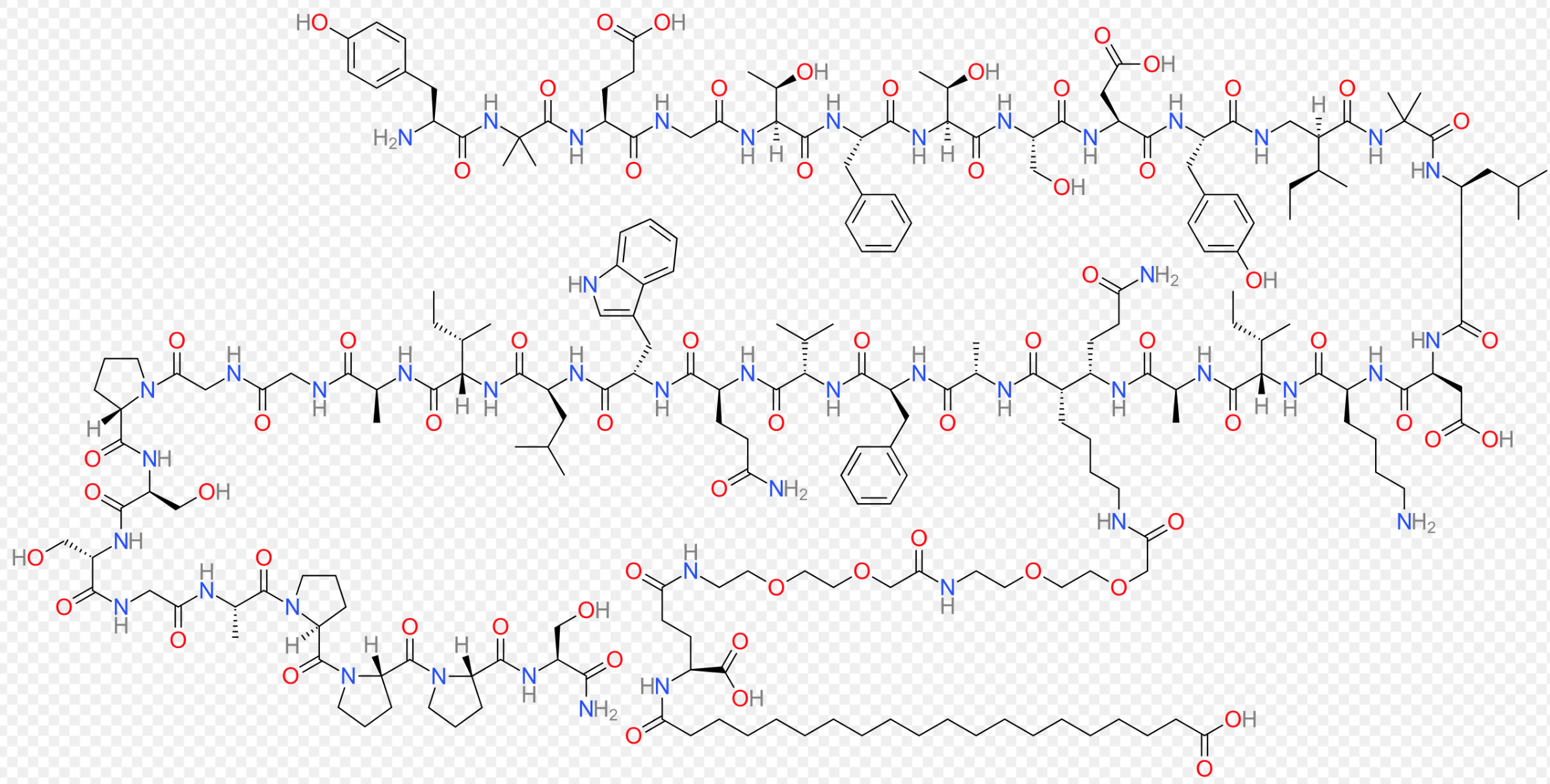
Glepaglutide is a kind of peptide similar to human glucagon-like peptide-1 (GLP-1), the sequence structure is relatively similar, in clinical manifestations, Glepaglutide has good potential for the treatment of short bowel syndrome, and has now entered clinical phase 3 stage.
AI Product Description
*The following content is generated by AI and is for reference only.
Glepaglutide is a novel, orally bioavailable non-peptide small molecule agonist targeting the glucagon-like peptide-1 (GLP-1) receptor. Unlike traditional GLP-1 receptor agonists which are typically large peptide molecules requiring subcutaneous injection due to poor oral stability and rapid degradation by gastrointestinal enzymes, Glepaglutide represents a significant breakthrough in pharmaceutical delivery technology. Its chemical structure is designed to resist enzymatic breakdown, allowing for high absorption through the intestinal wall when administered as an oral tablet. The compound has been developed primarily for the treatment of metabolic disorders, with a specific focus on type 2 diabetes mellitus and obesity management.
The molecular formula and CAS number for Glepaglutide vary depending on the specific salt form or formulation used in clinical trials, such as Glepaglutide Sodium. However, it is generally characterized as a complex organic heterocyclic compound optimized for receptor affinity and selectivity. In preclinical and early clinical studies, Glepaglutide has demonstrated potent efficacy in lowering blood glucose levels, enhancing insulin secretion in a glucose-dependent manner, suppressing glucagon release, and delaying gastric emptying. These mechanisms collectively contribute to improved glycemic control and significant weight reduction in patients.
Furthermore, research suggests that Glepaglutide may offer cardiovascular benefits similar to other GLP-1 agonists, potentially reducing the risk of major adverse cardiovascular events in diabetic populations. The development of this small molecule addresses a critical unmet need in patient compliance, as oral administration eliminates the discomfort and logistical challenges associated with daily injections. While exact structural details like the precise CAS registry number are proprietary and subject to change based on specific salt forms or regional filings, the therapeutic potential of Glepaglutide positions it as a leading candidate in the next generation of anti-diabetic therapies. Ongoing clinical investigations aim to validate its long-term safety profile and establish optimal dosing regimens for widespread clinical adoption.






 (All Rights Reserved)