Product Description
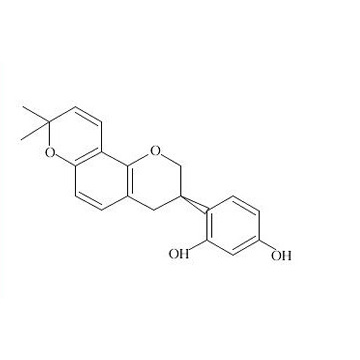
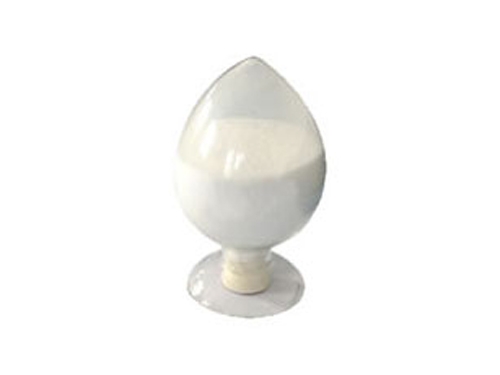
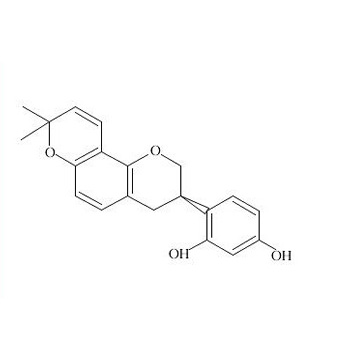
Glabridin is a chemical compound that is found in the root extract of licorice (Glycyrrhiza glabra). It is used as an ingredient in cosmetics and is listed in International Nomenclature of Cosmetic Ingredients (INCI). Glabridin is a flavonoid molecule, this product is a larger family of plant-derived phenols.
AI Product Description
*The following content is generated by AI and is for reference only.
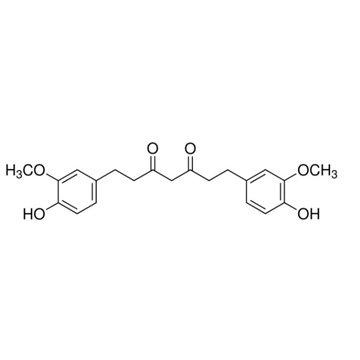
Glabridin, a potent bioactive diphenylheptanoid isolated primarily from the roots of Glycyrrhiza glabra (licorice), has garnered significant attention in the cosmetic and pharmaceutical industries for its multifaceted therapeutic properties. Chemically identified by the CAS number 13560-28-4, Glabridin possesses the molecular formula C21H22O4. Its unique structural configuration underpins its exceptional biological activities, making it a highly sought-after ingredient for advanced skincare formulations.
The most celebrated application of Glabridin is its powerful tyrosinase inhibitory activity. By effectively suppressing the enzyme responsible for melanin production, it serves as a superior skin-whitening agent, helping to reduce hyperpigmentation, age spots, and melasma without causing irritation common with harsher alternatives like hydroquinone. Beyond pigmentation control, Glabridin exhibits robust anti-inflammatory and antioxidant capabilities. It scavenges free radicals generated by UV exposure and environmental pollutants, thereby protecting dermal cells from oxidative stress and premature aging. This dual action helps maintain skin elasticity and reduces the appearance of fine lines and wrinkles.
Furthermore, research indicates that Glabridin modulates inflammatory pathways, offering relief for sensitive or acne-prone skin conditions. Its ability to inhibit the release of pro-inflammatory cytokines makes it valuable in soothing redness and calming irritated complexions. In the broader pharmaceutical context, studies suggest potential anticancer and antiviral properties, although clinical applications remain largely focused on topical dermatology. The compound is generally recognized as safe for cosmetic use at appropriate concentrations, typically ranging from 0.1% to 1% in serums, creams, and lotions. Due to its high potency and versatility, Glabridin represents a cornerstone in modern evidence-based beauty science, bridging traditional herbal medicine with contemporary aesthetic demands. As consumers increasingly seek natural yet effective solutions, Glabridin stands out as a premium ingredient delivering visible results in brightening, anti-aging, and skin barrier repair, solidifying its status as a key component in high-performance personal care products globally.





 (All Rights Reserved)