Product Description
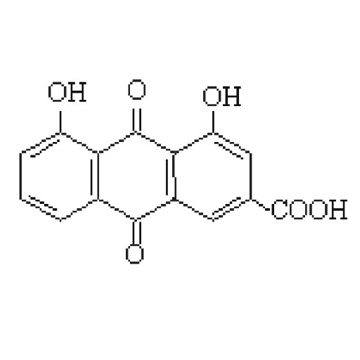
Aloe emodin is a anthraquinone present in aloe latex, an exudate from the aloe plant. It has a strong stimulant-laxative action . Aloe emodin is not carcinogenic when applied to the skin, although it may increase the carcinogenicity of some kind of radiation.
AI Product Description
*The following content is generated by AI and is for reference only.
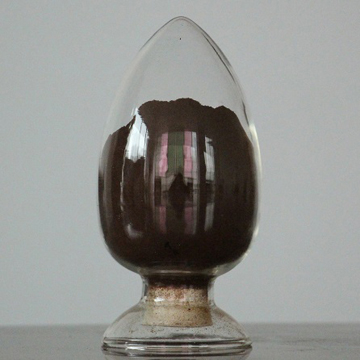
Aloe emodin, chemically known as 1,8-dihydroxy-3-(hydroxymethyl)anthraquinone, is a naturally occurring anthraquinone derivative primarily isolated from plants of the Aloe genus, particularly *Aloe vera*, as well as from rhubarb (*Rheum palmatum*) and buckthorn. Its molecular formula is C15H10O6, and it carries the CAS registry number 521-32-8. This compound appears as yellow-orange to red-brown crystalline powder and exhibits distinct solubility characteristics, being sparingly soluble in water but highly soluble in organic solvents like ethanol, methanol, and dimethyl sulfoxide.
Historically valued in traditional medicine systems such as Traditional Chinese Medicine (TCM), Aloe emodin has served as a potent laxative due to its stimulatory effect on colonic motility. However, modern pharmacological research has expanded its potential applications far beyond digestive health. Extensive studies indicate that Aloe emodin possesses significant anti-inflammatory, antioxidant, and antimicrobial properties. It acts by inhibiting key inflammatory mediators and scavenging free radicals, making it a subject of interest for managing chronic inflammatory conditions.
In the realm of oncology, Aloe emodin demonstrates promising antitumor activity. Research suggests it can induce apoptosis in various cancer cell lines, including those of leukemia, breast, and liver cancers, while simultaneously inhibiting tumor angiogenesis and metastasis without causing severe toxicity to normal cells. Furthermore, recent investigations highlight its potential role in treating metabolic disorders; it may improve insulin sensitivity and regulate lipid metabolism, offering therapeutic avenues for obesity and type 2 diabetes management.
Currently, Aloe emodin is utilized extensively in pharmaceutical development, nutraceutical formulation, and cosmetic industries. In cosmetics, its antioxidant capabilities help protect skin against oxidative stress and aging. While its use as a dietary supplement requires careful dosage control to avoid gastrointestinal side effects, ongoing clinical trials continue to explore its efficacy and safety profile for broader medical applications. As a versatile bioactive natural product, Aloe emodin remains a critical focus for researchers aiming to develop novel therapeutics targeting complex diseases ranging from cancer to metabolic syndrome.





 (All Rights Reserved)