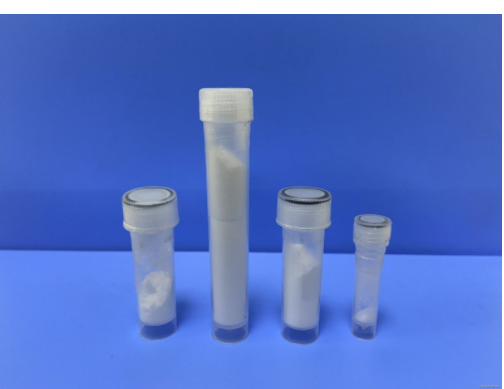
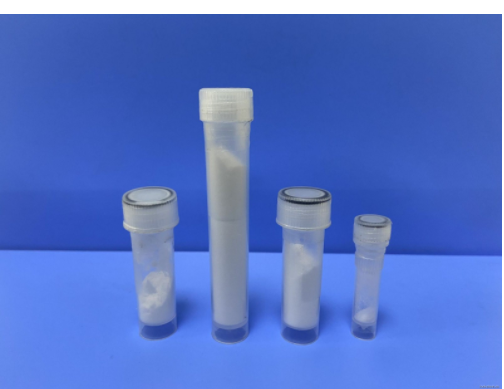
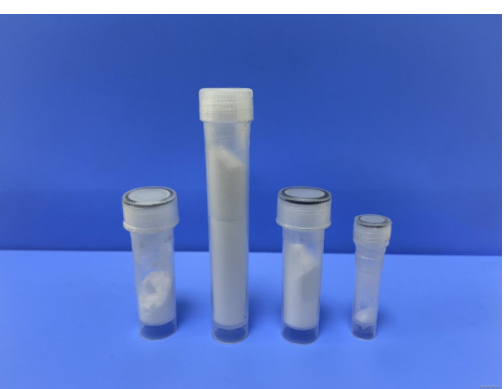
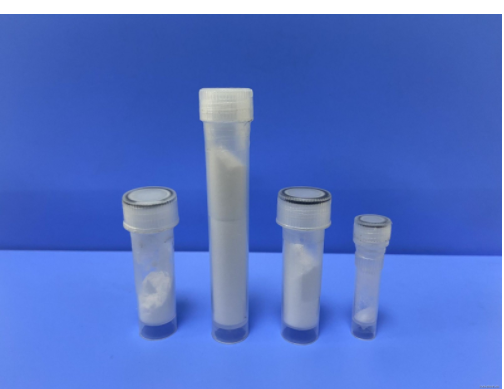
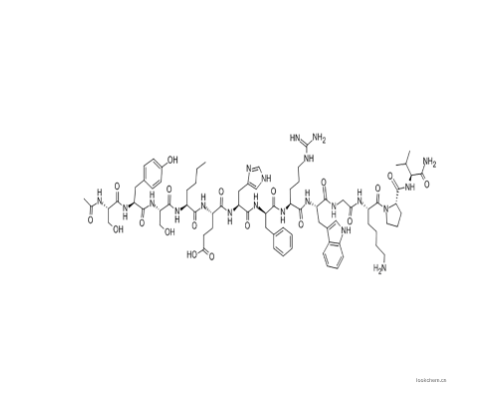
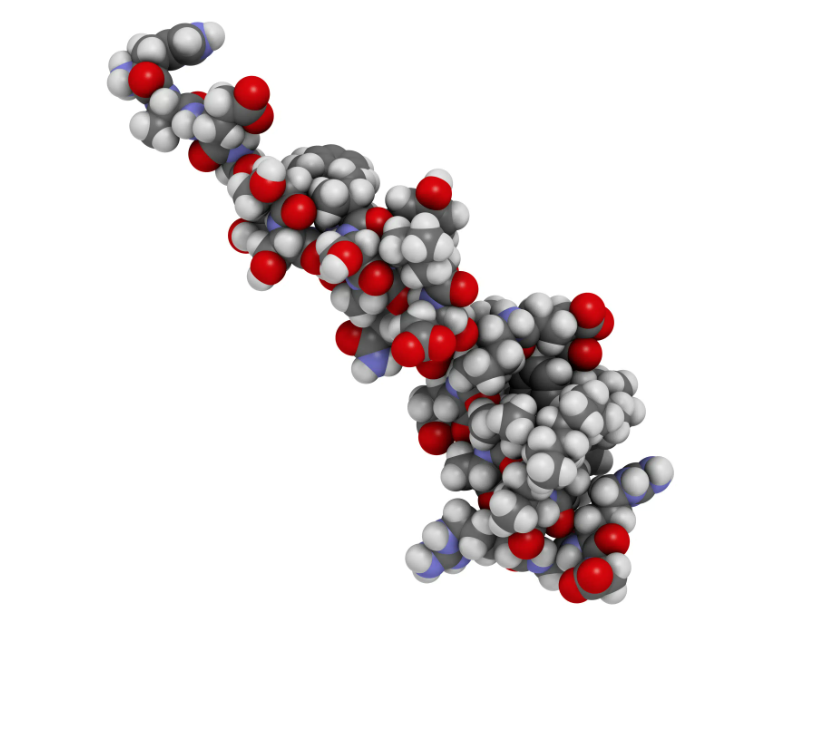
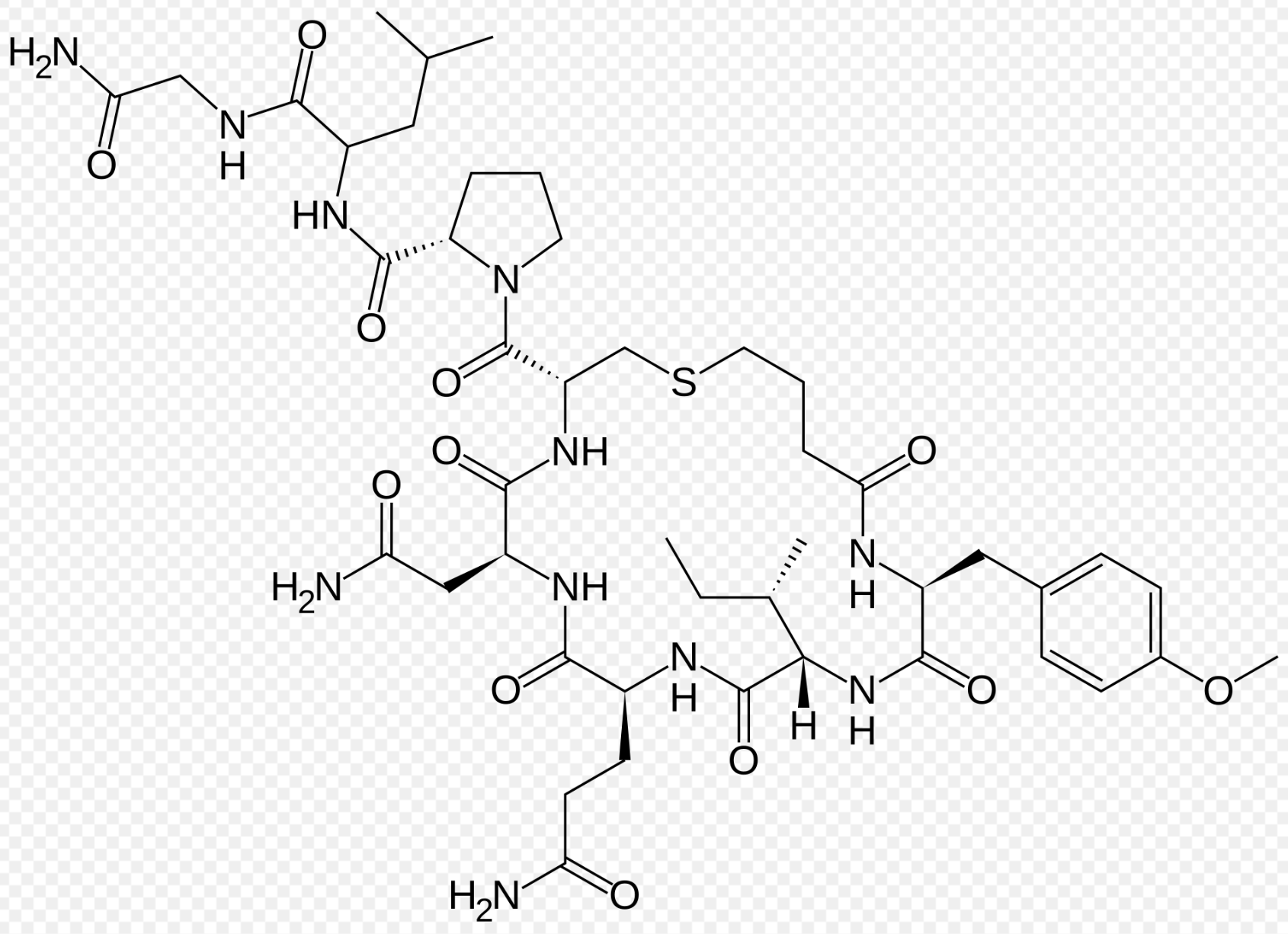
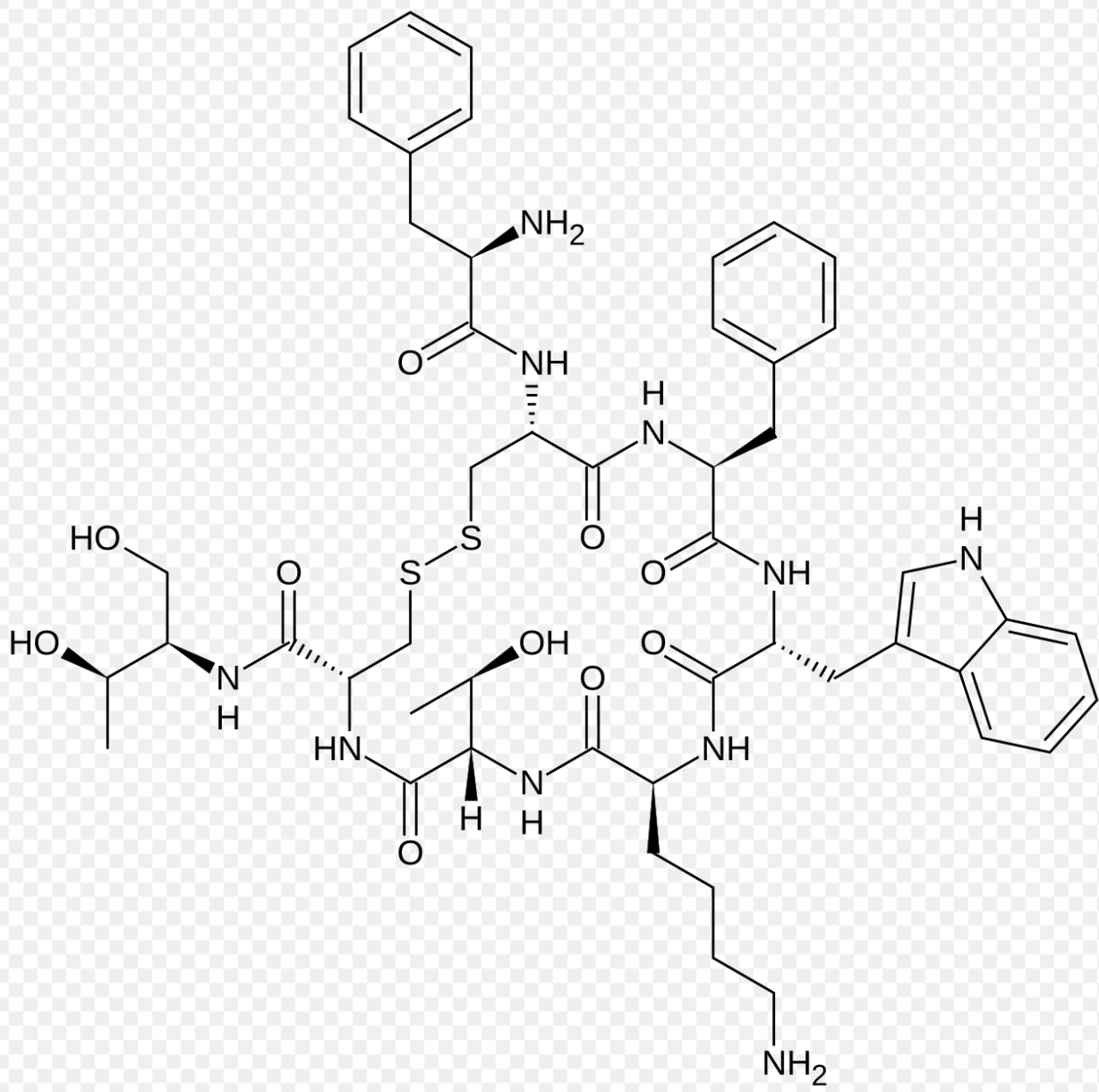
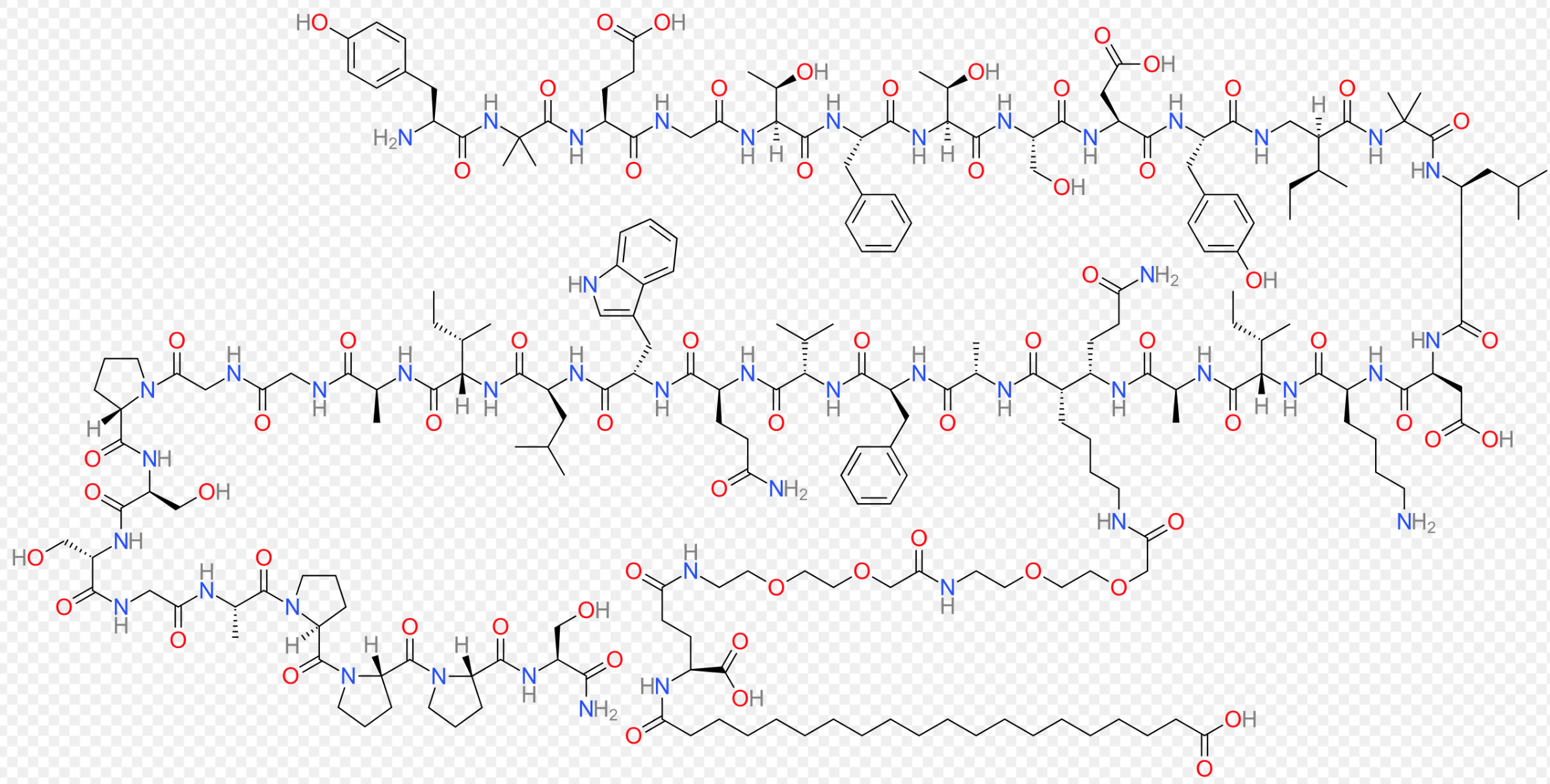
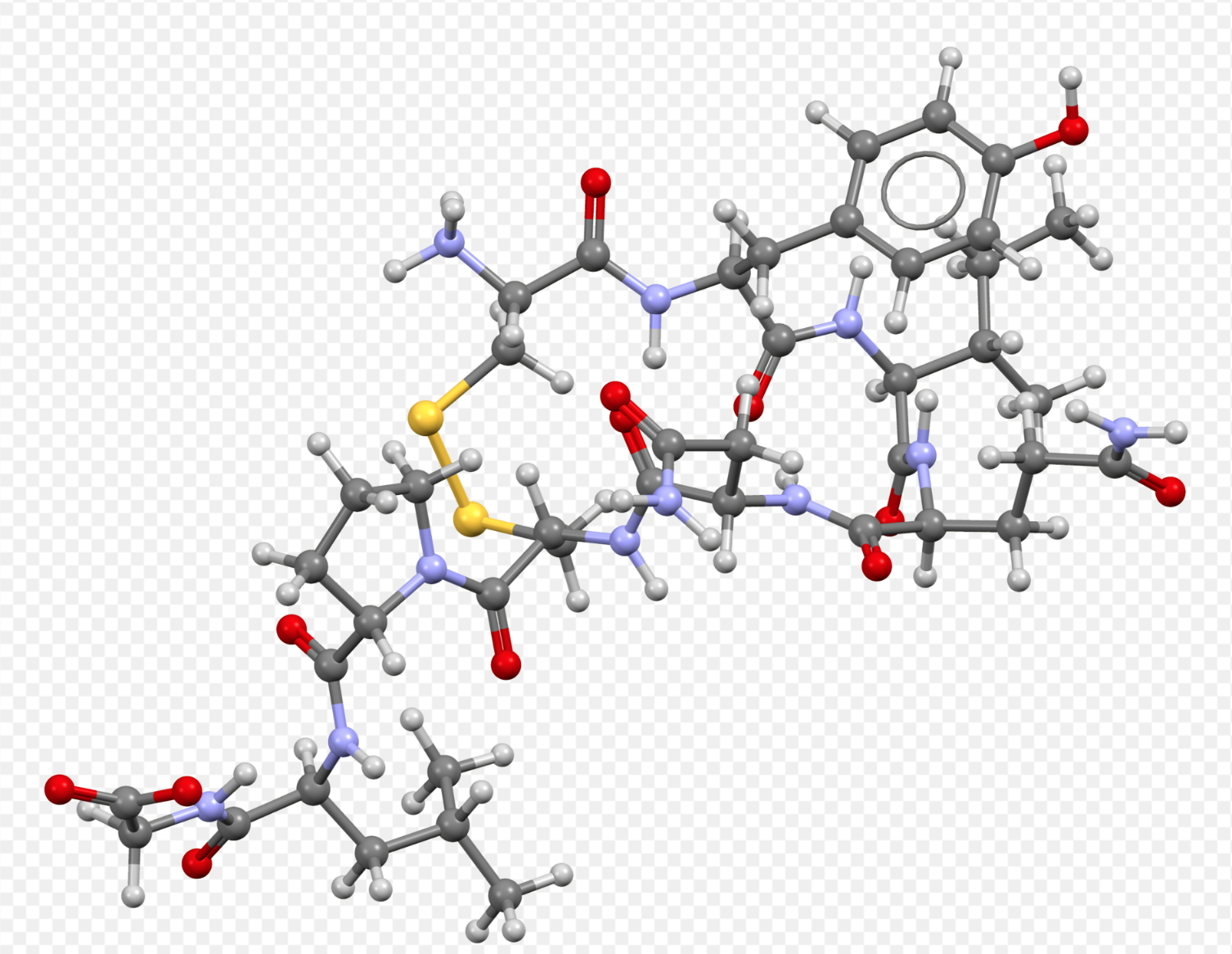
Ganirelix is a Gonadotropin Releasing Hormone Antagonist. The mechanism of action of ganirelix is as a Gonadotropin Releasing Hormone Receptor Antagonist. The physiologic effect of ganirelix is by means of Decreased GnRH Secretion.
*The following content is generated by AI and is for reference only.
Ganirelix acetate is a potent synthetic nonapeptide antagonist of the gonadotropin-releasing hormone (GnRH) receptor, widely recognized in reproductive medicine for its critical role in assisted reproductive technologies. With the Chemical Abstracts Service (CAS) registry number 139682-07-4 and the molecular formula C53H74N16O14S2·C2H4O2, this compound functions by competitively binding to GnRH receptors in the anterior pituitary gland. This binding action effectively blocks the endogenous release of luteinizing hormone (LH) and follicle-stimulating hormone (FSH), thereby preventing premature ovulation during controlled ovarian stimulation cycles.
In clinical practice, Ganirelix acetate is primarily administered via subcutaneous injection as a single daily dose starting on day 5 or 6 of ovarian stimulation, continuing until human chorionic gonadotropin (hCG) administration triggers final oocyte maturation. Its rapid onset of action distinguishes it from GnRH agonists, which require a longer duration to achieve downregulation. By suppressing the LH surge, the drug allows fertility specialists to optimize the timing of egg retrieval without the risk of spontaneous ovulation occurring before the procedure. This capability significantly improves pregnancy rates in patients undergoing in vitro fertilization (IVT) and intracytoplasmic sperm injection (ICSI).
The acetate salt form enhances the solubility and stability of the peptide, facilitating its formulation into ready-to-use injectable solutions. While generally well-tolerated, potential side effects may include injection site reactions, headache, nausea, and mild abdominal pain. Extensive clinical data supports its safety profile, making it a standard-of-care option globally for managing ovarian hyperstimulation syndrome risks and ensuring precise cycle control. As a cornerstone medication in modern infertility treatment, Ganirelix acetate empowers clinicians to tailor stimulation protocols to individual patient needs, ultimately contributing to successful outcomes in family building. Its continued use underscores the importance of targeted hormonal modulation in advancing reproductive health care standards worldwide.

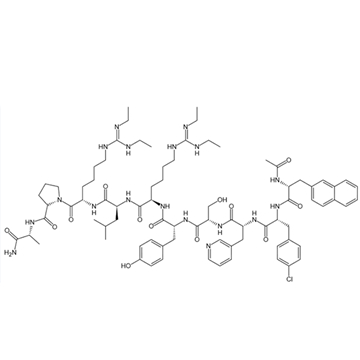




 (All Rights Reserved)