*The following content is generated by AI and is for reference only.
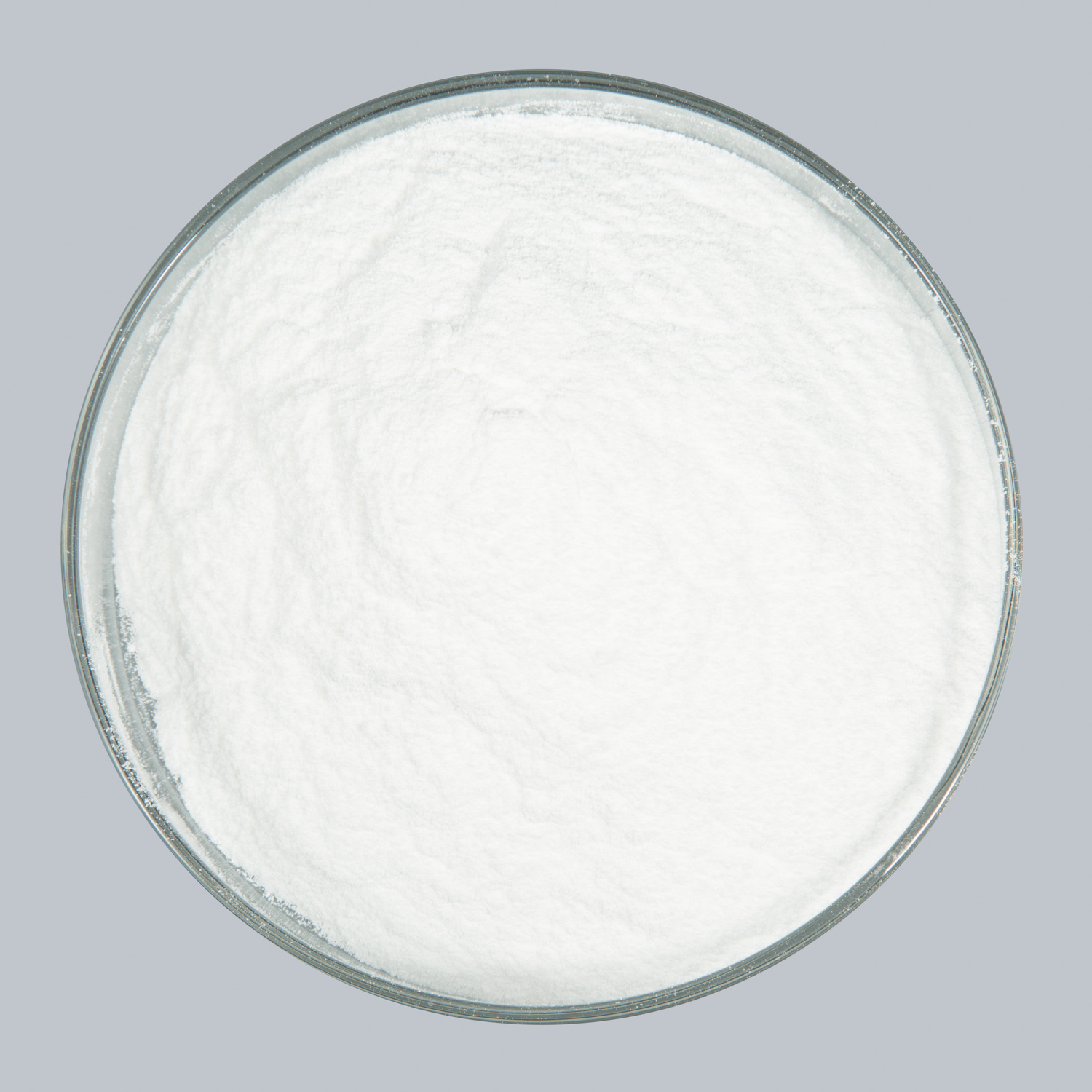
Fmoc-L-3-Fluorophenylalanine is a specialized fluorinated amino acid derivative widely utilized in modern peptide synthesis and medicinal chemistry research. Chemically, it serves as the N-alpha-(9-fluorenylmethoxycarbonyl)-protected form of L-3-fluorophenylalanine. The molecular formula is C20H18FNO4, with a precise molecular weight of approximately 367.36 g/mol. Its CAS registry number is 158526-44-4, ensuring unique identification for procurement and safety data sheets across global laboratories.
This compound features a robust fluorenylmethyloxycarbonyl (Fmoc) protecting group attached to the alpha-amino position, which allows for orthogonal deprotection strategies during solid-phase peptide synthesis (SPPS). The presence of a fluorine atom at the meta-position of the phenyl ring introduces distinct physicochemical properties compared to its non-fluorinated counterpart. This substitution significantly enhances metabolic stability by blocking oxidative metabolism pathways, particularly those mediated by cytochrome P450 enzymes. Consequently, peptides incorporating this residue often exhibit prolonged half-lives in biological systems, making them invaluable for developing therapeutic candidates with improved pharmacokinetic profiles.
Beyond metabolic considerations, the fluorine atom modulates the electronic environment and lipophilicity of the peptide backbone. These subtle changes can influence protein folding, binding affinity, and receptor selectivity. Researchers frequently employ Fmoc-L-3-Fluorophenylalanine to create conformationally constrained analogs or to probe enzyme-substrate interactions through mechanistic studies. Its utility extends to the development of radiolabeled imaging agents when synthesized with isotopic variants, aiding in diagnostic applications. Furthermore, the high purity available from commercial suppliers ensures reproducibility in complex synthetic sequences. As the demand for bioactive peptidomimetics grows, this fluorinated building block remains a critical reagent for optimizing drug efficacy and stability. It represents a strategic tool for chemists aiming to refine peptide therapeutics, offering a balance between structural integrity and enhanced biological performance in diverse pharmaceutical discovery pipelines.