Product Description
Pharmaceutical
Raw Materials and Intermediates
AI Product Description
*The following content is generated by AI and is for reference only.
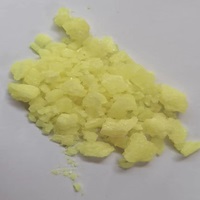
Fmoc-D-4-iodophenylalanine is a specialized protected amino acid derivative widely utilized in modern peptide chemistry and medicinal research. Its molecular formula is C19H18INO4, and it carries the CAS number 123560-76-7. This compound serves as a critical building block for the solid-phase synthesis of complex peptides, particularly those requiring precise stereochemical control or specific radiolabeling capabilities. The molecule features an Fmoc (fluorenylmethyloxycarbonyl) protecting group on the N-terminus, which ensures stability during standard coupling reactions while allowing for selective deprotection under mild basic conditions using piperidine. Simultaneously, the D-configuration at the alpha-carbon provides enhanced resistance against proteolytic degradation compared to its L-isomer counterpart, making it ideal for designing therapeutic peptides with improved metabolic half-lives.
The defining characteristic of this reagent is the iodine atom substituted at the para-position of the phenyl ring. This heavy halogen serves multiple strategic functions. Firstly, it acts as a precursor for radioiodination, enabling the creation of diagnostic imaging agents for single-photon emission computed tomography (SPECT) or positron emission tomography (PET). Secondly, the iodine moiety facilitates cross-coupling reactions, such as Suzuki-Miyaura or Heck couplings, allowing researchers to attach diverse fluorophores, biotin, or other functional tags to the peptide backbone without compromising the integrity of the amino acid side chain. Furthermore, the presence of iodine can influence the conformational properties of the resulting peptide structure due to its steric bulk and electronic effects.
In pharmaceutical development, Fmoc-D-4-iodophenylalanine is indispensable for synthesizing receptor ligands, enzyme inhibitors, and antimicrobial peptides where high specificity and stability are paramount. Its compatibility with standard Fmoc/t-Boc strategies makes it a versatile tool for both academic laboratories and industrial production facilities aiming to generate novel bioactive molecules. By integrating this unique amino acid into peptide sequences, scientists can effectively track biological distribution, optimize pharmacokinetic profiles, and explore structure-activity relationships with unprecedented precision.





 (All Rights Reserved)
![6,8-Dioxo-5,7-diazaspiro[3.4]octane-2-carboxylic acid](https://eimg.pharmasources.com/image/product/20250403/02effeb5a7639bc84ff1f3add3c0c64fjpg)
![8-Oxa-1,3-diazaspiro[4.5]decane-2,4-dione](https://eimg.pharmasources.com/image/product/20250403/60fa7223d5a34f24138486ceea0ffb15jpg)
![8,16-Diazadispiro[6.1.6.2]heptadecan-17-one](https://eimg.pharmasources.com/image/product/20250403/ca91cba8b87e53fc879f8d8764873a40jpg)