Product Description
It is antifungal drug used for the treatment of various fungal infections or yeast infections including candidiasis works by killing the fungus or yeast or preventing its growth. It is also used in children on life support called extracorporeal membrane oxygenation (ECMO).
AI Product Description
*The following content is generated by AI and is for reference only.
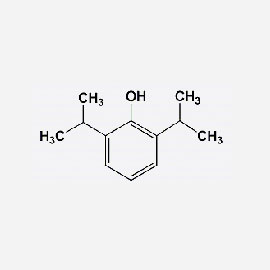
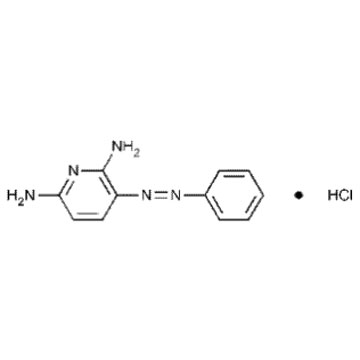
Fluconazole is a widely used synthetic triazole antifungal agent belonging to the azole class of medications. Its chemical identity is defined by the molecular formula C13H12F3N5O, with a precise CAS registry number of 86508-47-4. Structurally, it features a pyrimidine ring linked to two fluorophenyl groups and a hydroxymethyl group, which contributes to its high solubility and bioavailability compared to earlier generations of azoles. The drug functions primarily by inhibiting the fungal cytochrome P450 enzyme lanosterol 14-alpha-demethylase. This critical enzymatic blockage prevents the conversion of lanosterol to ergosterol, an essential component of fungal cell membranes. Consequently, the accumulation of toxic sterol intermediates disrupts membrane integrity and fluidity, ultimately leading to fungal cell death or growth inhibition.
Fluconazole exhibits broad-spectrum activity against various pathogenic fungi, including Candida species such as *C. albicans*, *C. glabrata*, and *C. krusei*, as well as Cryptococcus neoformans. It is particularly effective in treating mucosal candidiasis, such as oral thrush and vaginal yeast infections, as well as systemic mycoses like cryptococcal meningitis and blastomycosis. Due to its excellent pharmacokinetic profile, fluconazole achieves high concentrations in body fluids, including cerebrospinal fluid, urine, and saliva, making it a preferred choice for deep-seated infections. It is available in multiple formulations, including tablets, oral suspensions, and intravenous injections, facilitating versatile administration routes. While generally well-tolerated, potential side effects may include gastrointestinal disturbances, headache, and rare instances of hepatotoxicity or QT prolongation. Drug interactions are also a consideration, particularly with medications metabolized by CYP2C9 and CYP3A4 enzymes. Overall, Fluconazole remains a cornerstone therapy in clinical practice for managing both superficial and life-threatening fungal infections globally.



 (All Rights Reserved)