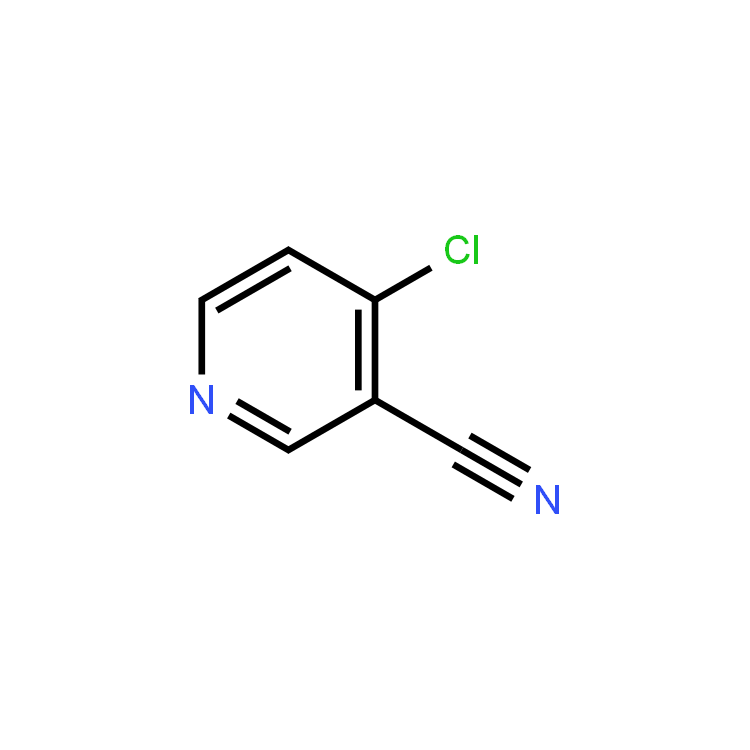
Product Description
Low toxicity herbicide, diphenyl ether herbicide,
selective herbicide in rice field, can only be used for stem and leaf treatment, shoot pretreatment is ineffective. Main control barnyard grass, thousand gold and other grass weeds
AI Product Description
*The following content is generated by AI and is for reference only.
Flavonoid hydrochloride refers to a class of salt derivatives formed by the reaction of flavonoids with hydrochloric acid. While "flavonoid" represents a broad polyphenolic family found in plants, specific commercial products usually target individual compounds like quercetin, kaempferol, or apigenin converted into their hydrochloride forms to enhance stability and water solubility. Due to the diversity of parent flavonoids, there is no single universal molecular formula or CAS number for "flavonoid hydrochloride" as a generic term; each derivative possesses a unique chemical structure. For instance, Quercetin hydrochloride has the molecular formula C₁₅H₁₁ClO₇ and a specific CAS registry number distinct from other variants.
These compounds are primarily utilized in pharmaceutical research and development as potent antioxidants and anti-inflammatory agents. The conversion to the hydrochloride salt significantly improves the bioavailability of the parent flavonoid, which often suffers from poor aqueous solubility. This enhancement makes them ideal candidates for formulating oral medications, dietary supplements, and topical skincare products aimed at combating oxidative stress and reducing inflammation. In the food industry, they serve as natural colorants and preservatives, leveraging their ability to scavenge free radicals and extend shelf life. Furthermore, in cosmetic applications, flavonoid hydrochlorides are valued for their skin-protecting properties against UV radiation and environmental pollutants.
Scientific studies continue to explore their potential therapeutic effects, including anticancer activities, neuroprotection, and cardiovascular health benefits. Researchers frequently employ these salts in in vitro and in vivo experiments to investigate mechanisms related to enzyme inhibition and signal transduction pathways. However, users must exercise caution when sourcing these materials, as purity levels and specific stereochemistry can vary between manufacturers. Regulatory compliance regarding their use in food and cosmetics depends heavily on local jurisdictional guidelines. Ultimately, flavonoid hydrochlorides represent a crucial bridge between natural plant extracts and modern medicinal chemistry, offering improved physicochemical properties while retaining the biological efficacy inherent to the flavonoid backbone. Their versatility ensures a prominent role in advancing functional foods, nutraceuticals, and novel drug delivery systems globally.




 (All Rights Reserved)
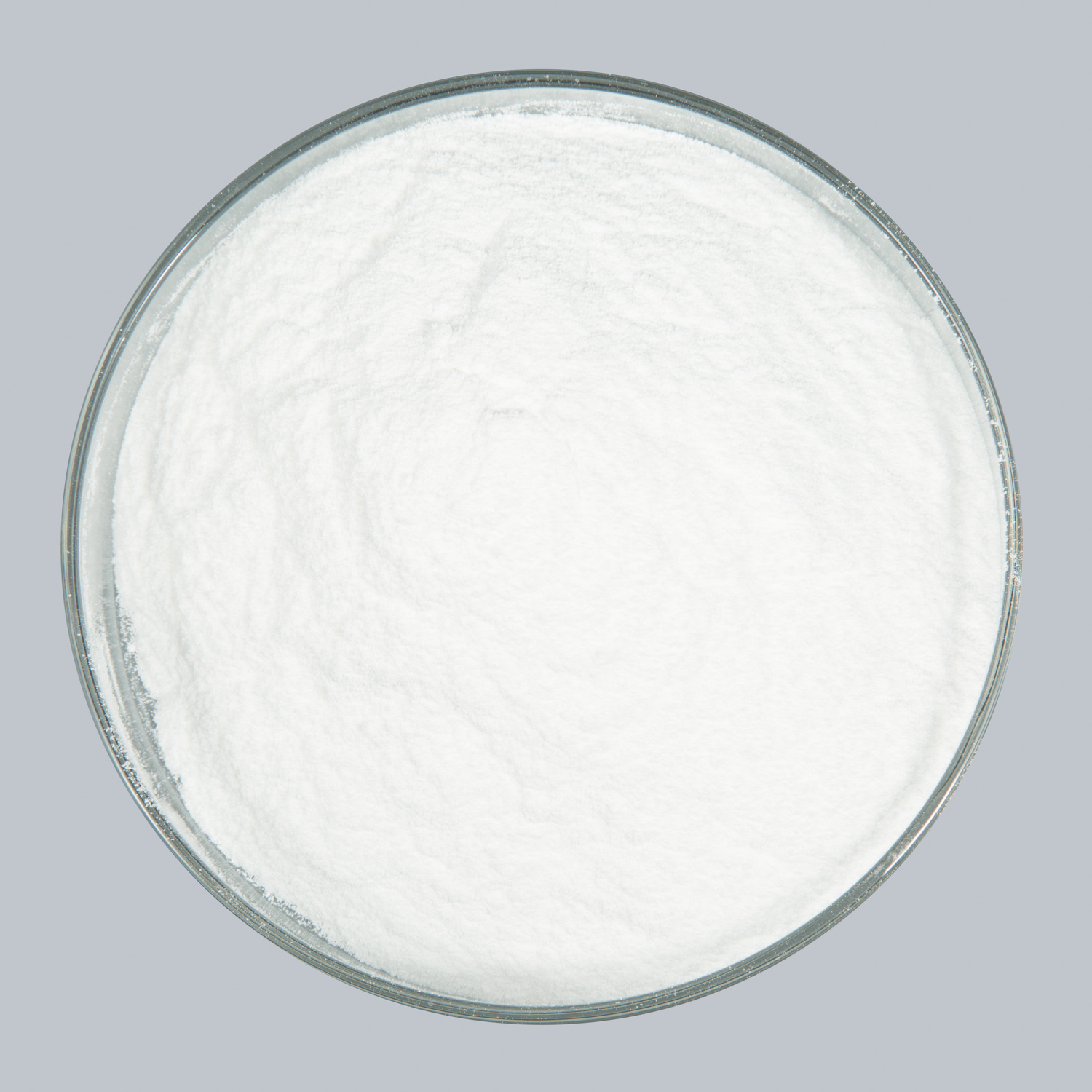
![6,8-Dioxo-5,7-diazaspiro[3.4]octane-2-carboxylic acid](https://eimg.pharmasources.com/image/product/20250403/02effeb5a7639bc84ff1f3add3c0c64fjpg)
![8-Oxa-1,3-diazaspiro[4.5]decane-2,4-dione](https://eimg.pharmasources.com/image/product/20250403/60fa7223d5a34f24138486ceea0ffb15jpg)
![8,16-Diazadispiro[6.1.6.2]heptadecan-17-one](https://eimg.pharmasources.com/image/product/20250403/ca91cba8b87e53fc879f8d8764873a40jpg)