Product Description
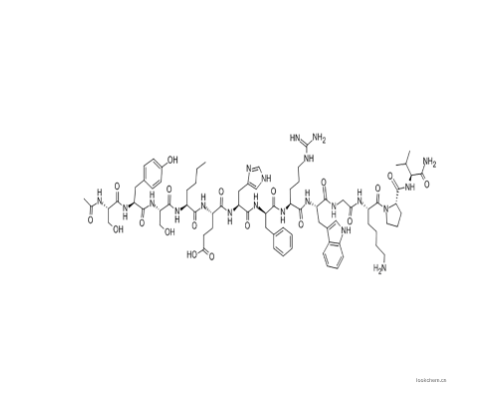
FLAG peptide is a peptide composed of 8 amino acids. The sequence contains a large number of acidic amino acids, including 5 Asp. FLAG peptide can be used for antibody-mediated recognition and purification of recombinant proteins. Flag peptides can elute proteins under non-denaturing conditions. There are a variety of antibodies that can recognize Flag peptides.
AI Product Description
*The following content is generated by AI and is for reference only.
The FLAG peptide, specifically the octapeptide sequence DYKDDDDK, is a widely utilized affinity tag in molecular biology and biochemistry for the purification, detection, and localization of recombinant proteins. While often referred to as a "product," it is technically a synthetic peptide designed to be genetically fused to target proteins at either their N- or C-terminus during expression. The primary utility of the FLAG tag lies in its high specificity and mild elution conditions, which preserve protein activity better than many other tags like His or GST.
Chemically, the standard FLAG peptide has a molecular formula of C39H64N12O15S and a molecular weight of approximately 872.05 g/mol. It does not possess a single universal CAS number because it is a synthetic oligopeptide; however, the specific sequence is cataloged under various supplier-specific identifiers, with the free acid form often associated with CAS numbers ranging around 127278-88-0 depending on the exact salt form and purity specifications provided by manufacturers such as Sigma-Aldrich or Merck. The sequence consists of Tyrosine, Lysine, Aspartic Acid (repeated four times), and Lysine, flanked by flexible linkers in some constructs.
The FLAG system operates through a highly specific interaction between the peptide tag and anti-FLAG monoclonal antibodies (M1 or M2). This allows for rapid purification via immunoaffinity chromatography using agarose or magnetic beads. A distinct advantage of this system is the ability to elute the bound protein using a competitive peptide, typically the soluble FLAG peptide itself (e.g., 3xFLAG), or by changing pH, ensuring the removal of the antibody without harsh denaturing agents. Furthermore, the small size of the tag minimizes interference with the folding, function, and solubility of the fusion partner, making it ideal for structural studies, enzyme kinetics, and cell signaling research. Its versatility extends to immunofluorescence and Western blotting, where commercial anti-FLAG antibodies provide sensitive detection capabilities. Consequently, the FLAG peptide remains a cornerstone reagent in proteomics and drug discovery pipelines, facilitating the isolation of native-like complexes from complex cellular lysates with exceptional precision.





 (All Rights Reserved)