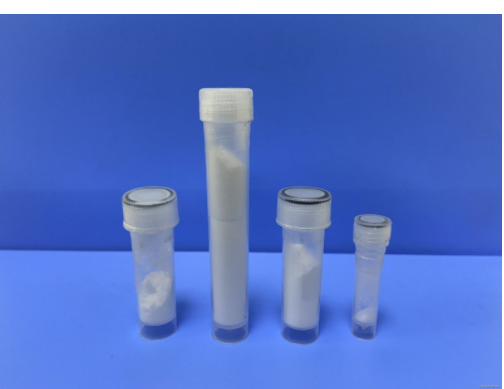
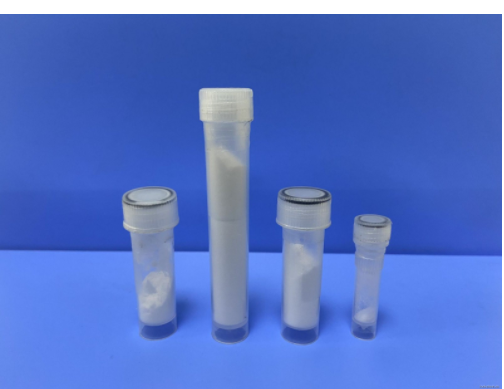
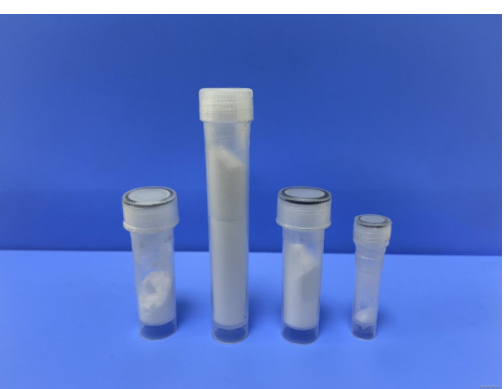
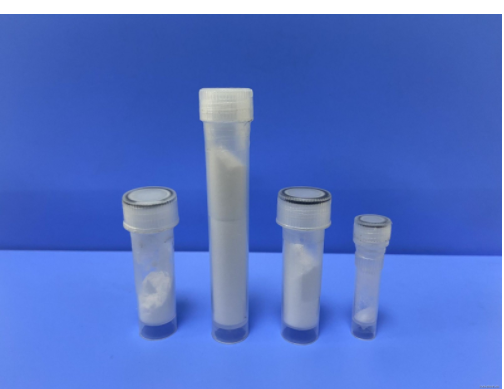
Product Description
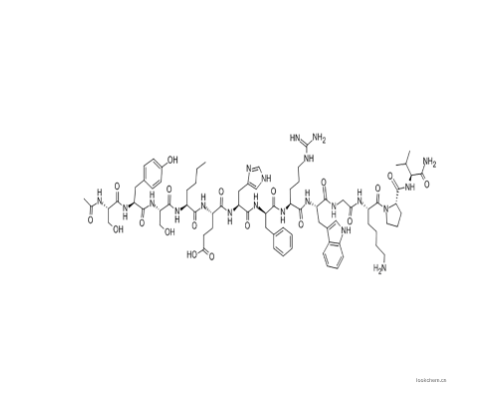
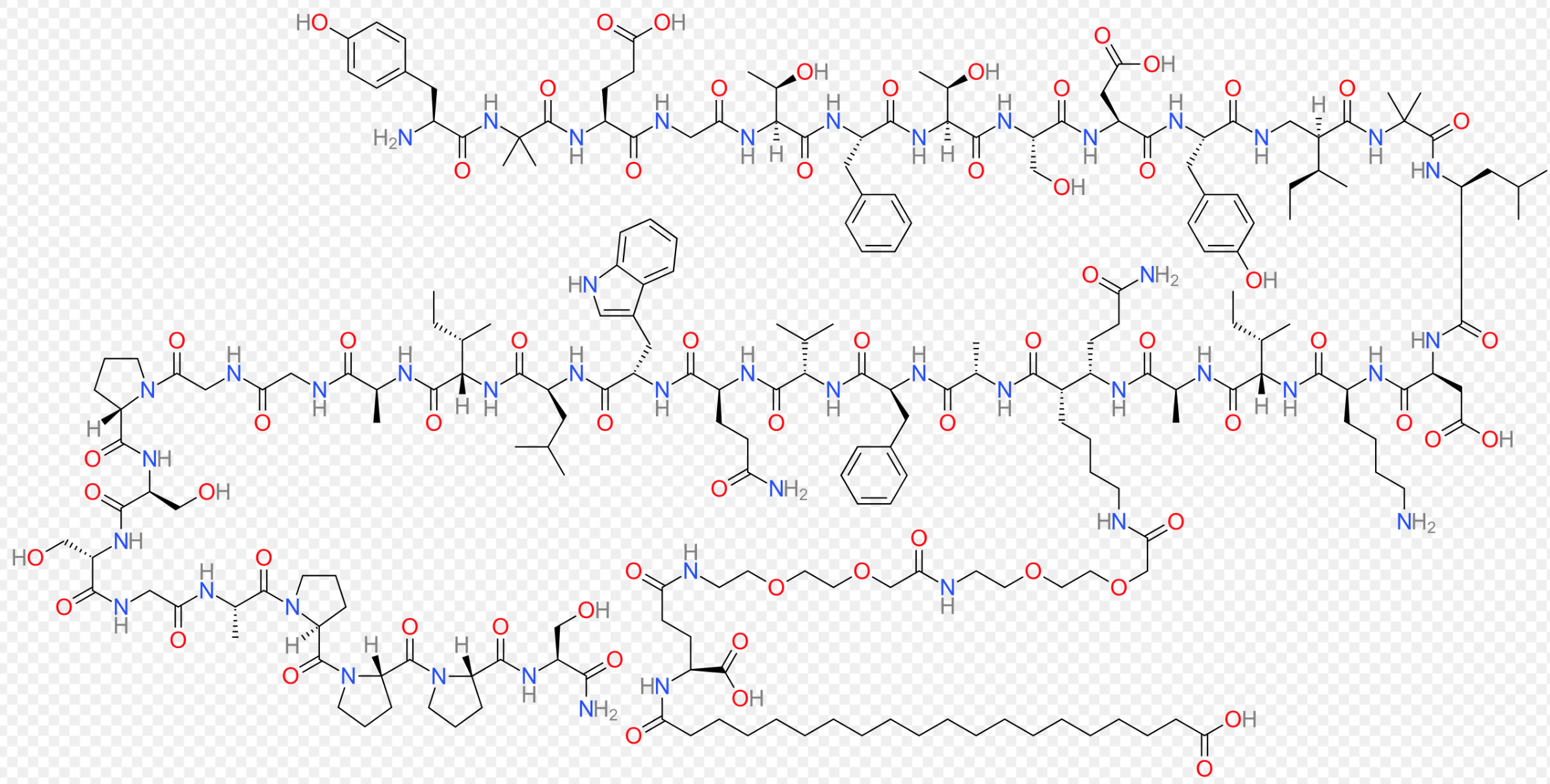
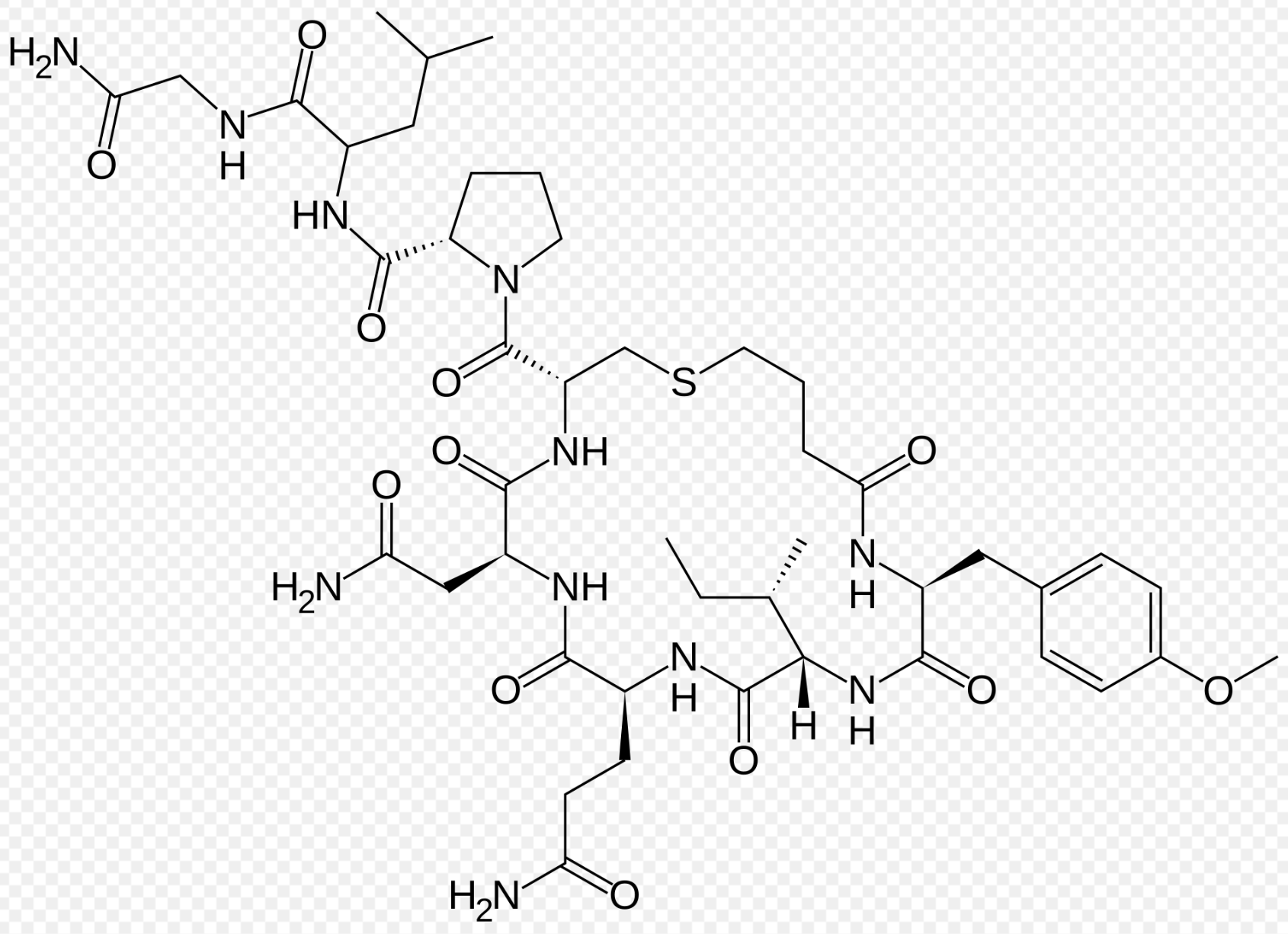
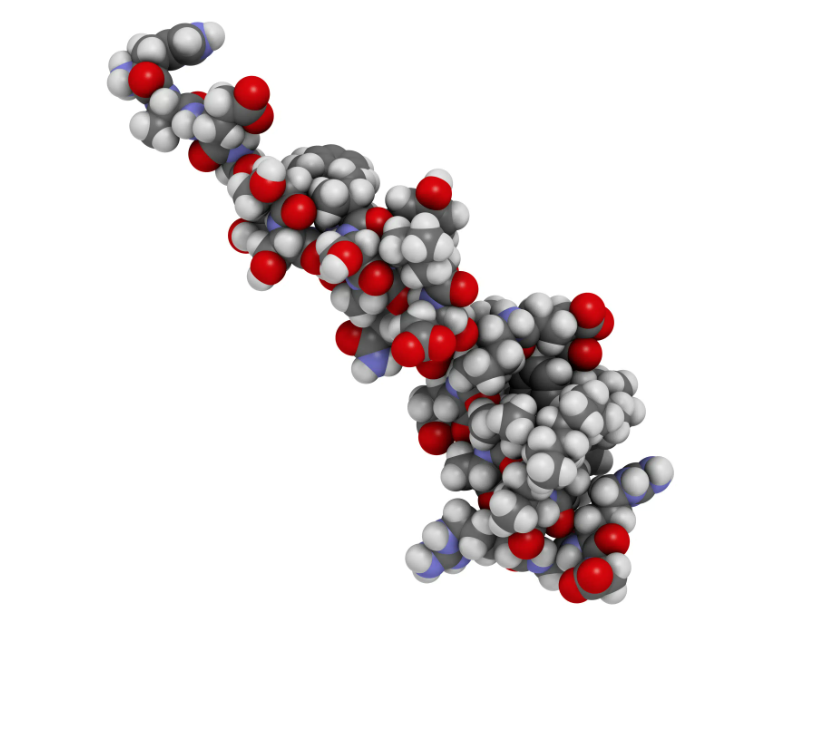
Exendin (9-39), also known as Avexitide, is a 31-amino acid peptide that can selectively target and block GLP-1 receptors, normalize insulin secretion, and reduce postprandial hypoglycemia. It is a new treatment product of PBH (post-bariatric hypoglycemia). Avexitide's peptide synthesis process is similar to exenatide. Choosing appropriate raw materials and condensing agent system is the key to improving product yield.
AI Product Description
*The following content is generated by AI and is for reference only.
Exendin(9-39) is a potent and selective antagonist of the glucagon-like peptide-1 (GLP-1) receptor, widely utilized in biomedical research to elucidate the physiological roles of GLP-1 signaling pathways. Structurally, it represents a truncated analog of exendin-4, specifically encompassing amino acids 9 through 39 of the native sequence. Its molecular formula is C185H290N56O57S4, with an approximate molecular weight of 4,138.5 g/mol. The compound is cataloged under CAS number 205254-45-3, ensuring precise identification for laboratory procurement and safety documentation.
The primary application of Exendin(9-39) lies in its capacity to block GLP-1 receptor activation. By competitively inhibiting the binding of endogenous GLP-1 or agonistic drugs like liraglutide, researchers can determine the specific contribution of this pathway to glucose homeostasis, insulin secretion, and gastric emptying. This antagonistic property makes it an indispensable tool for validating drug targets in diabetes mellitus studies and obesity management research. In experimental settings, administration of Exendin(9-39) effectively reverses the hypoglycemic effects induced by GLP-1 agonists, thereby confirming receptor specificity and mechanism of action.
Furthermore, this peptide aids in investigating the neuroprotective and cardioprotective potential mediated by GLP-1 receptors. Scientists employ it to dissect complex metabolic networks, distinguishing between central and peripheral actions of incretin hormones. Its high selectivity minimizes off-target effects, providing clean data in vivo and in vitro models ranging from rodents to cell cultures. While not currently approved as a therapeutic agent for clinical use due to its antagonistic nature, Exendin(9-39) remains a cornerstone reagent in pharmaceutical development. It facilitates the screening of novel GLP-1 based therapeutics and helps define optimal dosing strategies. Researchers must handle the substance under strict laboratory conditions, adhering to standard biosafety protocols. As the field of metabolic disease advances, the utility of this precise molecular probe continues to expand, offering critical insights into the intricate regulation of energy balance and blood sugar control mechanisms globally.





 (All Rights Reserved)