Product Description
- Cat. #: AKI-18
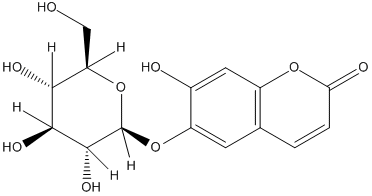
- Product: Esculin
- CAS No.: 531-75-9
- Molecular Formula: C15H16O9
- Molecular Weight: 340.2821
- Plant Source: Aesculus hippocastanum linn.sp
- Part Used: barks
- Specification: 98%min by HPLC
- Availability: In stock
AI Product Description
*The following content is generated by AI and is for reference only.
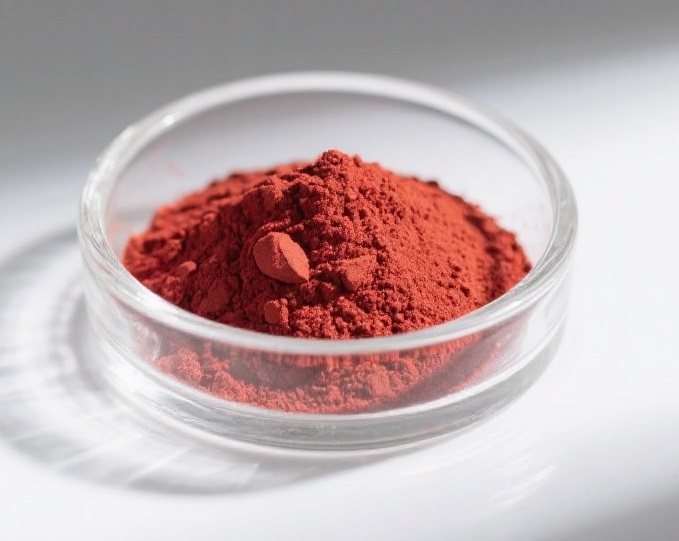
Esculin, chemically known as 6-O-β-D-glucopyranosyl-7-hydroxycoumarin or esculin hydrate, is a naturally occurring coumarin glycoside widely utilized in microbiology and analytical chemistry. With the molecular formula C15H16O9 and a CAS registry number of 3208-43-9, this compound features a distinct structure comprising a hydroxyesculetin aglycone linked to a glucose moiety. It typically appears as a white to off-white crystalline powder that is soluble in water and dilute alkali solutions but insoluble in non-polar organic solvents. The primary application of esculin lies in its role as a selective indicator in diagnostic media, most notably in the identification of Enterococcus species and group D streptococci. In esculin agar, these bacteria possess the enzyme beta-glucosidase, which hydrolyzes esculin into glucose and esculetin. Upon hydrolysis, esculetin reacts with ferric ions (Fe³⁺) present in the medium to form a dark brown or black complex, providing a clear visual confirmation of bacterial growth and enzymatic activity. This differential reaction allows for the rapid differentiation of enterococci from other streptococcal groups, making it indispensable in clinical laboratories and food safety testing. Beyond its microbiological utility, esculin serves as a standard reference material for validating culture media quality and ensuring the accuracy of biochemical assays. Its stability under various storage conditions and reliable reactivity make it a staple reagent for researchers studying microbial metabolism and pathogenicity. Furthermore, while not commonly used as a therapeutic agent itself due to potential toxicity concerns at high doses, esculin remains a valuable tool in pharmaceutical research for screening compounds affecting bacterial enzyme systems. Manufacturers supply esculin in high purity grades suitable for both routine diagnostic procedures and advanced scientific investigations, ensuring consistency across global laboratory standards. Whether identifying pathogens in clinical samples or monitoring food contamination, esculin-based tests offer a robust, cost-effective solution for accurate microbial detection and characterization in diverse settings.





 (All Rights Reserved)