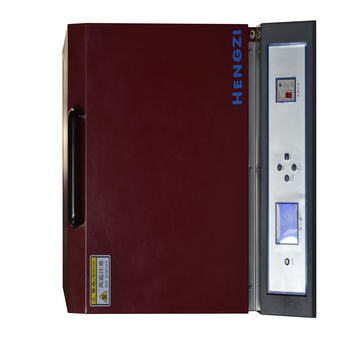
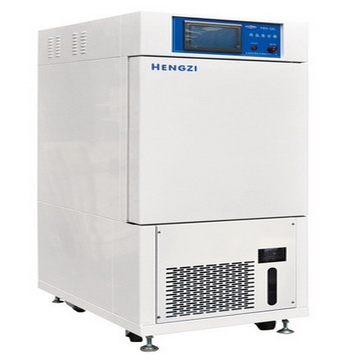
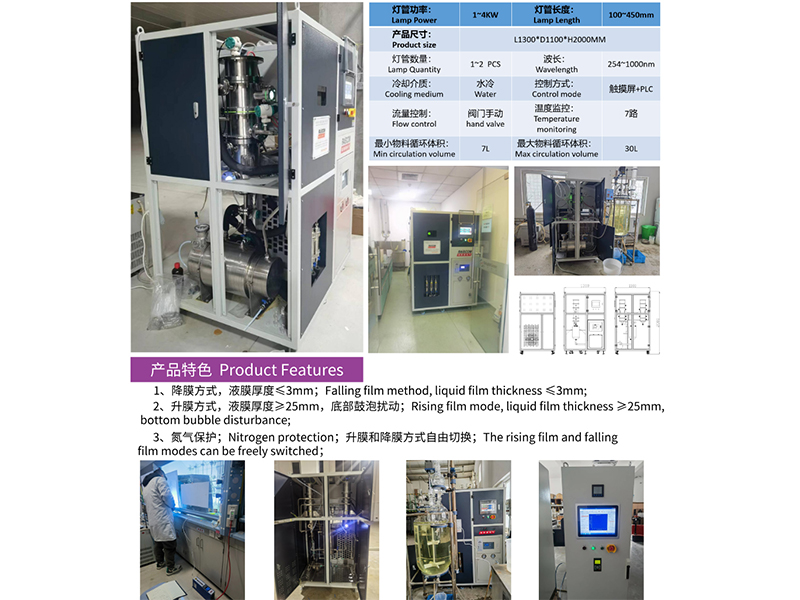
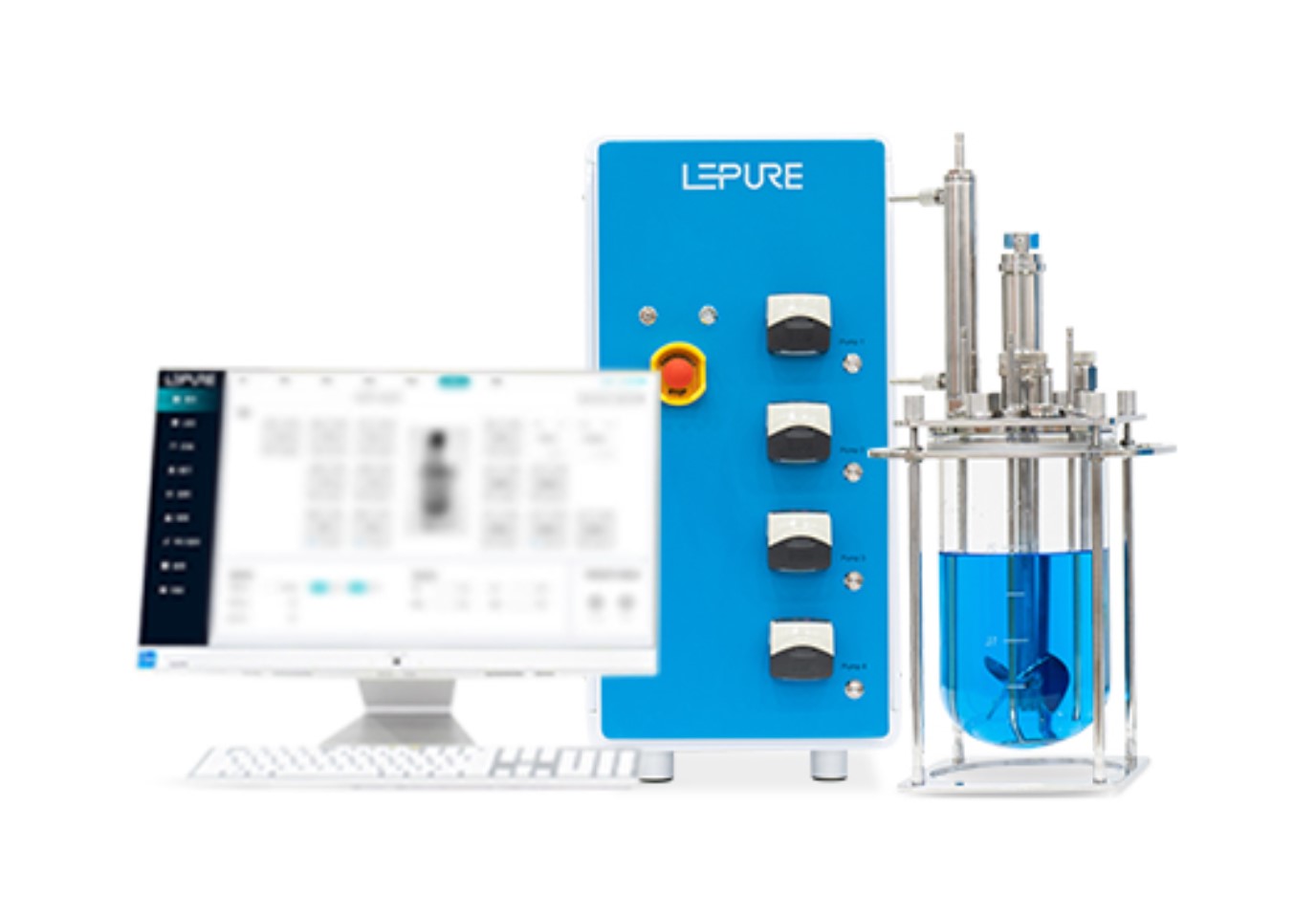
This incubator , also known as electrothermal thermostatic cell (mildew), is applied in medical institutions, pharmaceutical industry, biochemistry, industrial production and agricultural science for bacterial incubation, breeding, fermentation and other thermostatic experiment.
*The following content is generated by AI and is for reference only.
The HH-BII-BS-III series represents a high-performance laboratory instrument designed primarily for biological research, medical diagnostics, and agricultural science. As an electrothermal thermostatic incubator, its core function is to provide a stable, controlled environment for the cultivation of bacteria, molds, yeast, and other microorganisms. The device maintains precise temperature regulation essential for optimal cell growth and metabolic activity, ensuring experimental reproducibility across various scientific disciplines.
Constructed with a robust stainless steel interior, this unit offers superior corrosion resistance and ease of cleaning, which is critical for maintaining aseptic conditions during long-term cultures. The exterior typically features a durable cold-rolled steel casing with a powder-coated finish to withstand rigorous laboratory environments. Advanced control systems allow users to set specific temperatures with high accuracy, often featuring digital displays for real-time monitoring. Many models in this category include safety mechanisms such as over-temperature protection and alarm systems to prevent sample loss due to equipment malfunction.
Operation requires strict adherence to safety protocols to ensure both user safety and data integrity. Users must avoid placing flammable or volatile substances inside the chamber, as the internal heating elements can pose ignition risks. Proper ventilation is necessary around the unit to dissipate heat effectively and prevent overheating of surrounding components. Before operation, it is advisable to verify that the power supply voltage matches the device specifications to avoid electrical hazards. Additionally, samples should be arranged to allow adequate air circulation within the chamber; overcrowding can lead to uneven temperature distribution and compromised results. Regular calibration and cleaning are recommended to maintain performance standards. This versatile equipment serves as a fundamental tool in laboratories worldwide, supporting everything from basic microbiological studies to complex pharmaceutical testing procedures by providing a reliable platform for biological development.






 (All Rights Reserved)