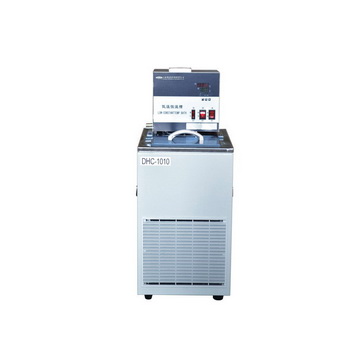
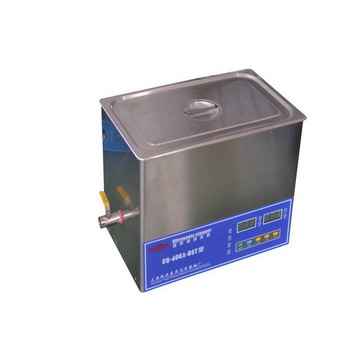
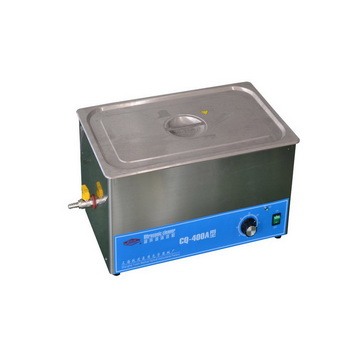
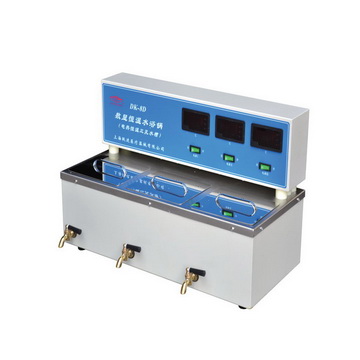
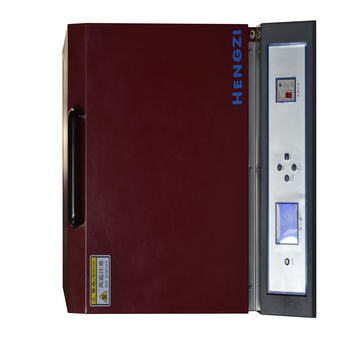
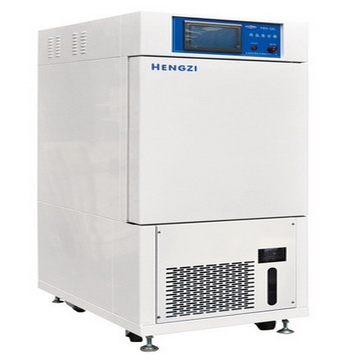
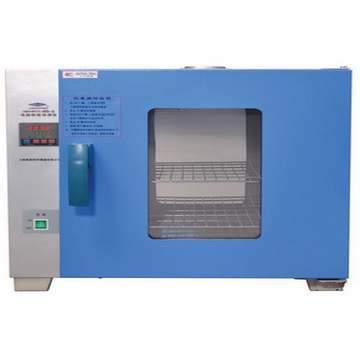
This incubator , also known as electrothermal thermostatic cell (mildew), is applied in medical institutions, pharmaceutical industry, biochemistry, industrial production and agricultural science for bacterial incubation, breeding, fermentation and other thermostatic experiment.
*The following content is generated by AI and is for reference only.
The device described, commonly known as an electrothermal thermostatic incubator, is a vital piece of laboratory equipment designed to provide a stable and controlled environment for biological growth. Its primary function is to maintain precise temperature conditions, typically ranging from ambient levels up to 60°C or higher, depending on the specific model specifications. This stability is crucial for cultivating bacteria, yeast, fungi, and other microorganisms, as well as for conducting cell culture experiments that require consistent thermal conditions. The unit features an internal heating system regulated by a sensitive thermostat, ensuring minimal temperature fluctuations which are essential for reproducible scientific results.
In terms of construction, these incubators usually consist of a double-walled chamber with high-quality insulation to enhance energy efficiency and maintain uniform heat distribution. A built-in fan circulates air continuously within the chamber, preventing hot spots and ensuring that the entire interior space remains at the set temperature. Many modern versions include digital displays for accurate monitoring and programmable timers to automate experimental cycles. Safety mechanisms often incorporate over-temperature protection to prevent damage to samples in case of sensor failure.
When operating this equipment, several precautions must be observed to ensure safety and longevity. Users should avoid placing flammable materials inside the chamber due to the presence of electrical heating elements. It is also critical to ensure adequate ventilation around the unit to dissipate excess heat generated during operation. Regular cleaning of the interior is necessary to prevent contamination, but harsh chemicals should be avoided to protect the internal coating. Samples should be arranged to allow proper airflow circulation rather than blocking vents. Furthermore, the device should not be operated in humid environments without appropriate dehumidification measures to prevent electrical hazards. Proper calibration of the temperature sensor should be performed periodically to guarantee accuracy. By adhering to these guidelines, researchers can maximize the performance and reliability of their incubation processes while maintaining a safe laboratory environment.





 (All Rights Reserved)