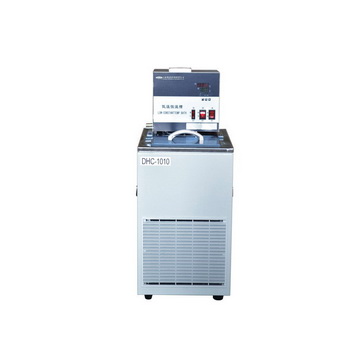
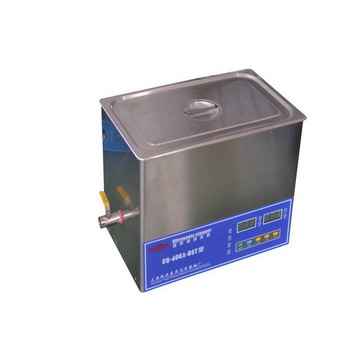
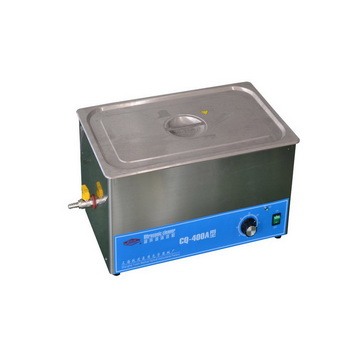
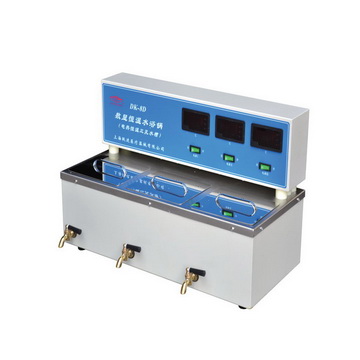
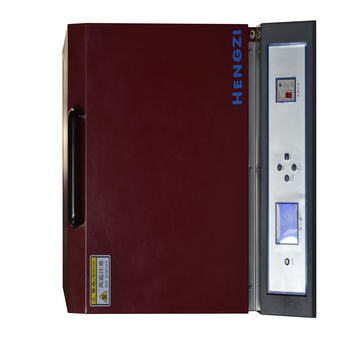
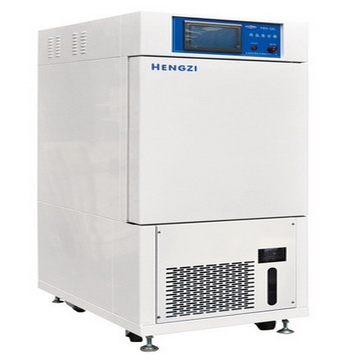
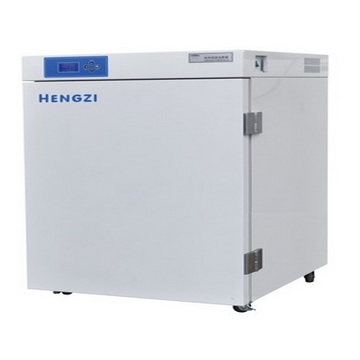
This incubator , also known as electrothermal thermostatic cell (mildew), is applied in medical institutions, pharmaceutical industry, biochemistry, industrial production and agricultural science for bacterial incubation, breeding, fermentation and other thermostatic experiment.
*The following content is generated by AI and is for reference only.
The HH-BII-BY represents a specialized class of laboratory equipment known as an electrothermal thermostatic incubator. Designed primarily for biological and medical research, this device provides a stable, controlled environment essential for the cultivation of microorganisms, cell lines, and tissue samples. Its core function relies on precise temperature regulation, ensuring that sensitive biological processes occur under optimal conditions without fluctuation. The unit typically features a high-quality stainless steel interior chamber, which offers excellent corrosion resistance and facilitates easy cleaning to maintain strict hygiene standards required in sterile laboratories.
Temperature control is achieved through advanced PID (Proportional-Integral-Derivative) algorithms, allowing for rapid heating and highly accurate maintenance of set points, often ranging from ambient temperature up to 60 degrees Celsius or higher depending on specific configurations. Uniformity of heat distribution is critical; therefore, these units are equipped with forced convection systems, such as high-efficiency fans, to eliminate hot spots and ensure consistent thermal conditions throughout the entire chamber. This uniformity is vital for reproducible experimental results. Safety mechanisms are integral to the design, including over-temperature protection alarms and independent limiters that automatically cut power if the internal temperature exceeds safe thresholds, preventing damage to valuable samples or the equipment itself.
Users must adhere to several operational guidelines to ensure longevity and safety. First, avoid placing flammable or volatile substances inside the chamber, as the heating elements can pose ignition risks. Second, do not overload the shelves, as this obstructs airflow and compromises temperature uniformity. Third, regular calibration is recommended to verify sensor accuracy. Additionally, the door should be opened only when necessary to minimize thermal loss and humidity fluctuations. Proper ventilation around the unit is also required to dissipate excess heat generated by the motor and heating components. By following these protocols, researchers can maximize the efficiency and reliability of their incubation processes, ensuring the integrity of their scientific data and the safety of their laboratory environment.





 (All Rights Reserved)