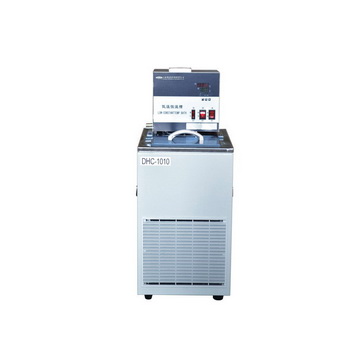
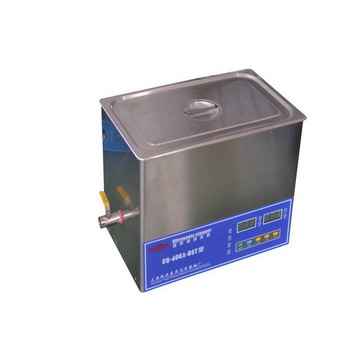
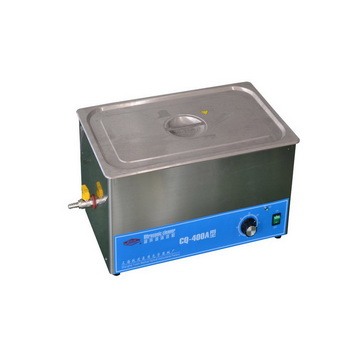
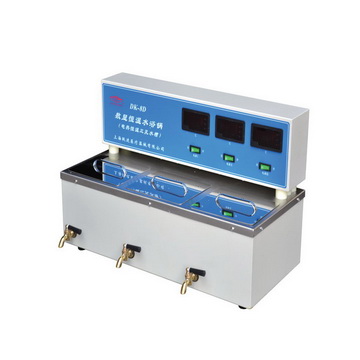
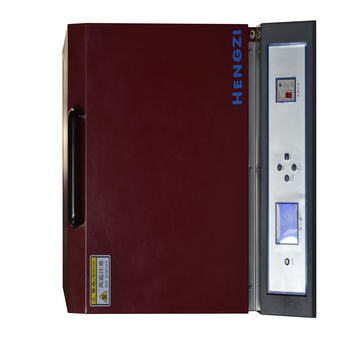
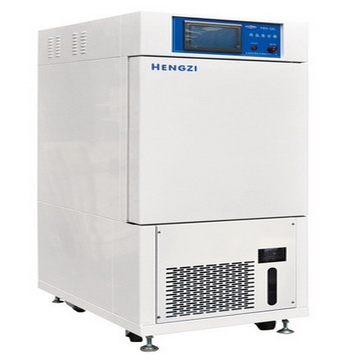
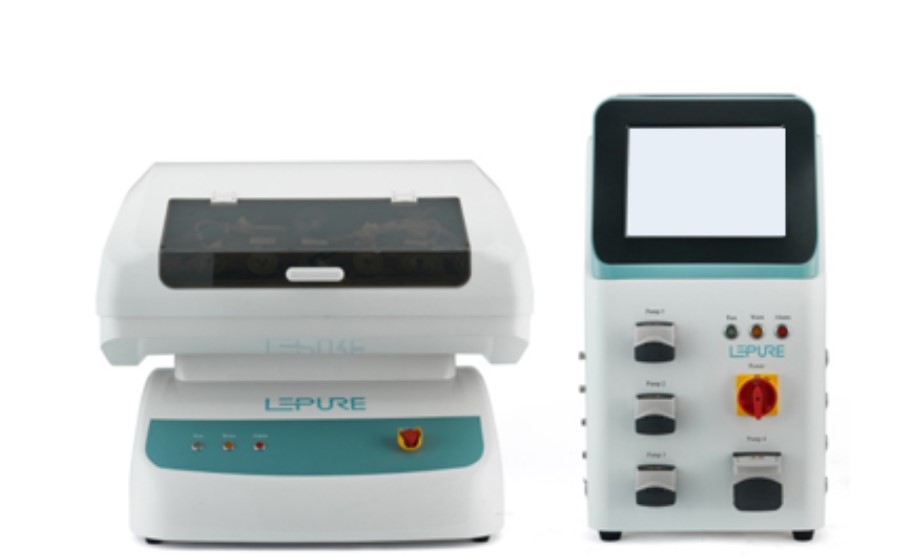
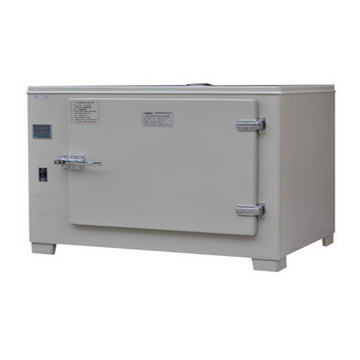
This incubator , also known as electrothermal thermostatic cell (mildew), is applied in medical institutions, pharmaceutical industry, biochemistry, industrial production and agricultural science for bacterial incubation, breeding, fermentation and other thermostatic experiment.
*The following content is generated by AI and is for reference only.
The device described is a specialized laboratory instrument designed to maintain precise environmental conditions for biological and chemical experiments. Known generally as an electrothermal thermostatic incubator, this equipment utilizes advanced heating elements combined with sensitive temperature control systems to create a stable thermal environment. Its primary function is to support the growth of microorganisms, cell cultures, or the incubation of samples requiring specific temperatures over extended periods. The unit typically features a uniform internal air circulation system, often driven by a fan, which ensures that temperature distribution remains consistent throughout the chamber, eliminating cold spots that could compromise experimental results.
Constructed with high-quality insulation materials, these incubators are energy-efficient and capable of maintaining set points with minimal fluctuation, even when external ambient temperatures vary. The control panel usually offers digital displays for real-time monitoring of current and target temperatures, allowing researchers to adjust settings easily. Some models include safety mechanisms such as over-temperature protection alarms and automatic shut-off functions to prevent damage to samples in case of system failure. Additionally, the interior is often lined with stainless steel for easy cleaning and corrosion resistance, ensuring a sterile workspace.
When operating this equipment, users must adhere to several critical precautions. First, avoid placing flammable or volatile substances inside, as the heating element poses a fire risk if vapors accumulate. Second, do not overload the shelves, as blocking air vents can disrupt airflow and lead to uneven heating. Third, regular calibration is essential to verify accuracy, especially for long-term experiments where precision is paramount. Finally, ensure the unit is placed on a level surface away from direct sunlight or drafts to maintain stability. Proper maintenance, including periodic cleaning of filters and checking door seals, extends the lifespan of the device and guarantees reliable performance. By following these guidelines, laboratories can effectively utilize this versatile tool for diverse applications ranging from microbiology research to pharmaceutical testing.





 (All Rights Reserved)