Product Description
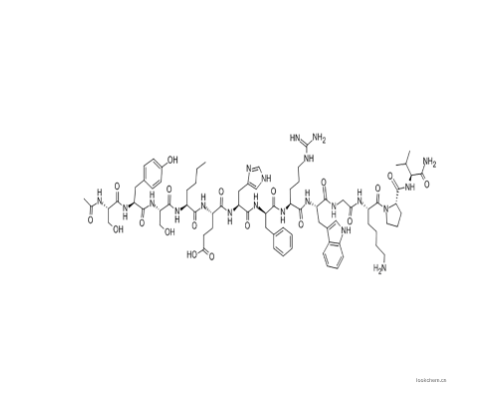
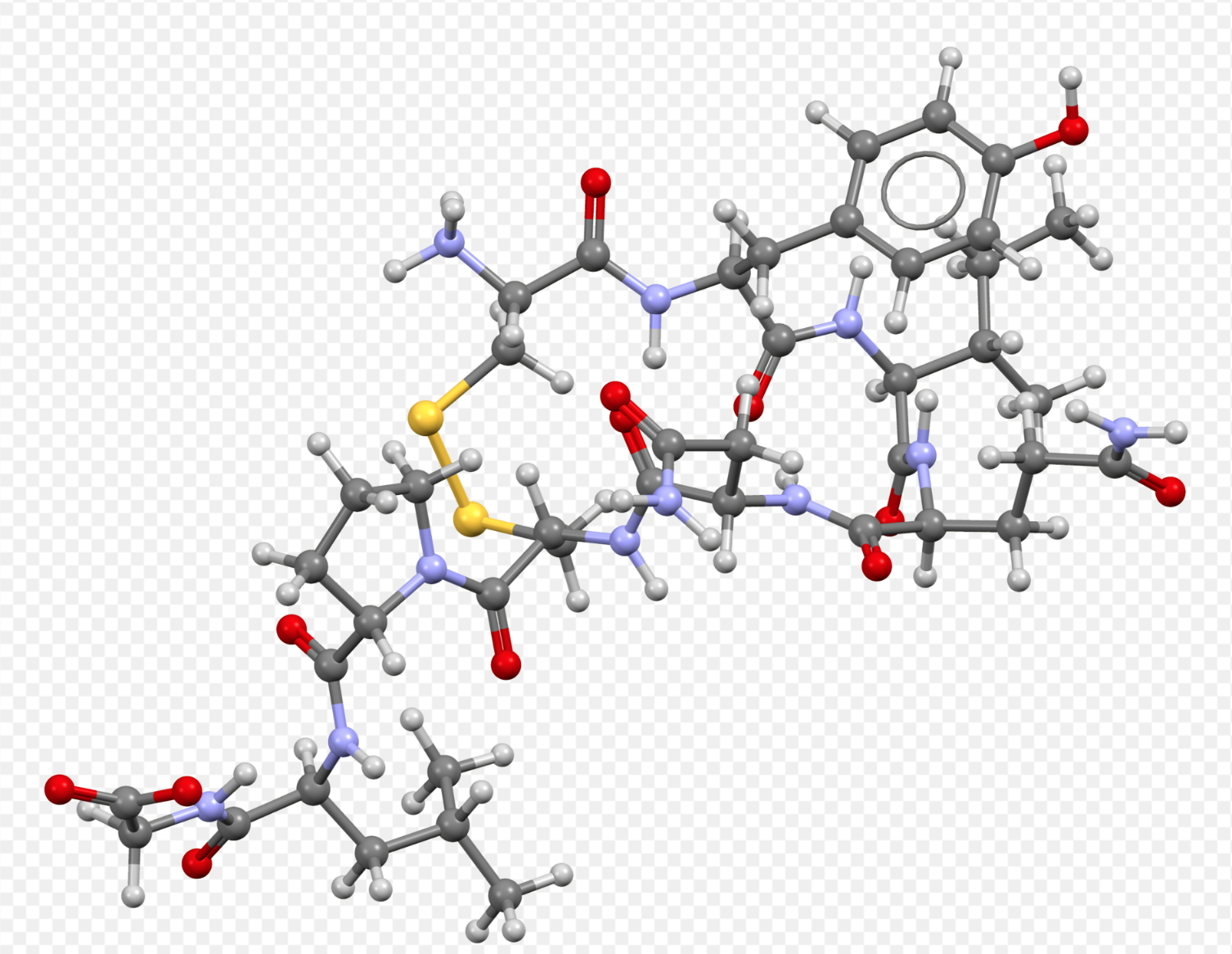
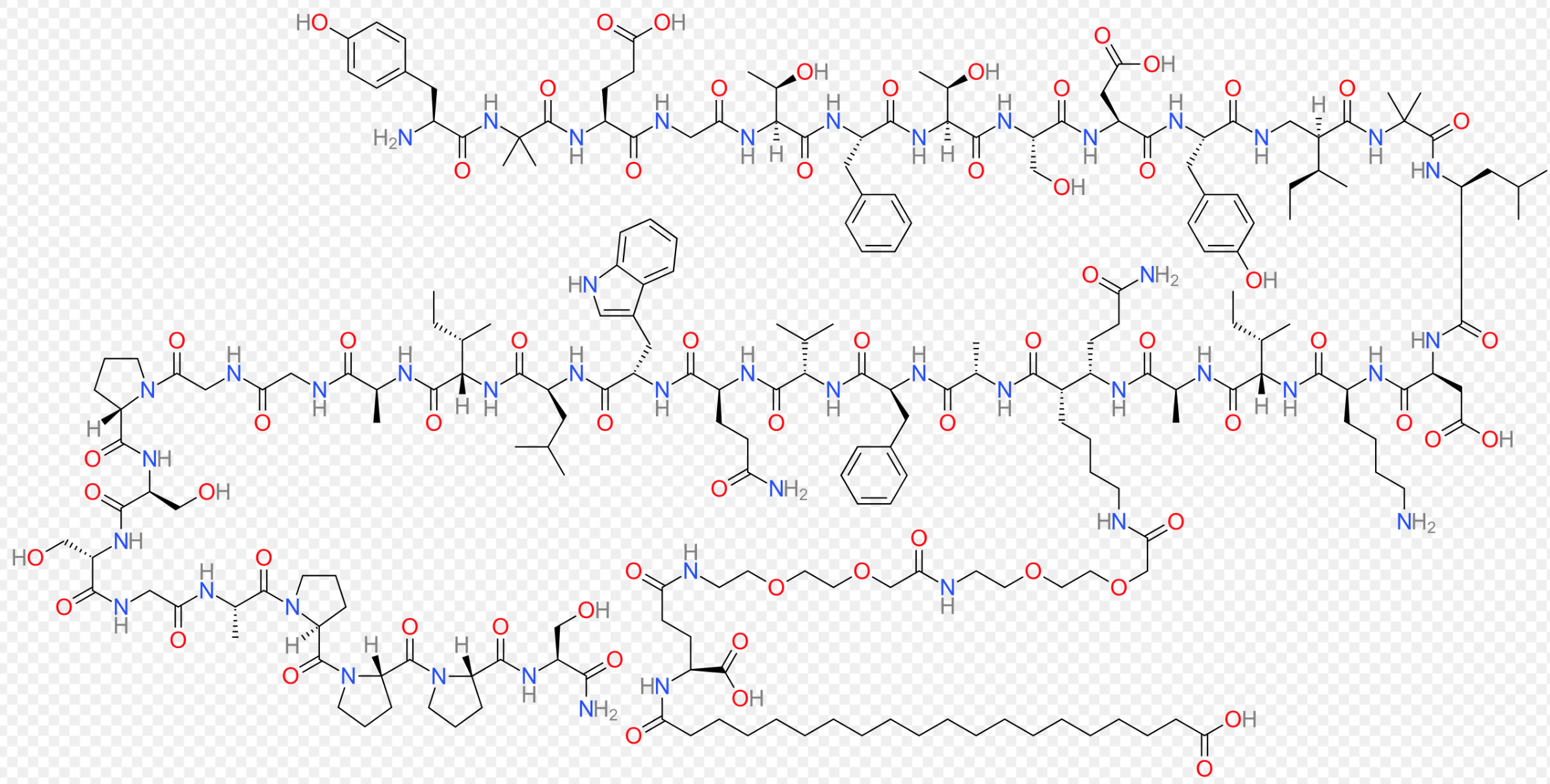
Edotreotide is a peptide similar to Octreotide. The N-terminus of the peptide chain contains a large number of carboxyl functional groups, and the N-terminus is an alcoholic hydroxyl functional group, and contains a relatively stable disulfide bond structure. Edotreotide can combine with various radionuclides to form a substance that can be used to treat and diagnose certain neuroendocrine tumors.
AI Product Description
*The following content is generated by AI and is for reference only.
Edotreotide is a synthetic octapeptide analog of somatostatin, specifically designed for high-affinity binding to somatostatin receptors (SSTRs), particularly subtypes 2 and 5. With the chemical formula C41H60N10O9S3 and CAS Registry Number 189720-56-5, this radiolabeled compound plays a pivotal role in modern nuclear medicine, serving as a critical diagnostic and therapeutic agent for neuroendocrine tumors (NETs). Structurally, it mimics the natural hormone somatostatin but possesses enhanced stability and receptor selectivity due to the incorporation of D-amino acids and a modified cyclic structure, which prevents rapid enzymatic degradation in vivo.
The primary clinical application of Edotreotide involves its use as a chelating ligand for radionuclides such as Indium-111 or Lutetium-177. When labeled with In-111, it forms [In-111]Edotreotide, utilized in somatostatin receptor scintigraphy (SRS) to localize and stage NETs originating from the gastrointestinal tract, pancreas, or lungs. This imaging technique allows clinicians to visualize tumor burden accurately, guiding surgical planning and assessing treatment efficacy. Furthermore, when conjugated with Lu-177, it becomes a potent tool for peptide receptor radionuclide therapy (PRRT). In this therapeutic context, the emitted beta particles deliver targeted radiation directly to tumor cells while sparing surrounding healthy tissue, offering a significant survival benefit for patients with progressive, unresectable, or metastatic NETs that express high levels of somatostatin receptors.
Beyond its established medical utility, Edotreotide represents a milestone in the development of targeted oncology therapies. Its specificity ensures minimal off-target effects compared to traditional chemotherapy, improving patient quality of life during treatment. As research continues, variations of this molecule are being explored to optimize pharmacokinetics and expand applications to other receptor-positive malignancies. The synthesis and purification of Edotreotide require rigorous quality control to ensure radiochemical purity and specific activity, adhering to strict regulatory standards for pharmaceutical production. Overall, Edotreotide remains a cornerstone in the management of neuroendocrine diseases, bridging the gap between precise molecular imaging and effective internal radiotherapy.





 (All Rights Reserved)