Product Description
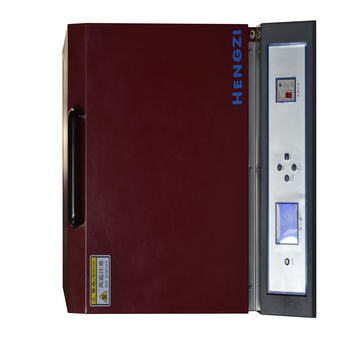
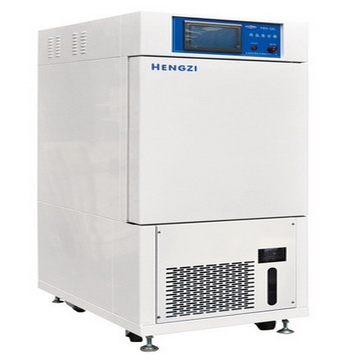
This product utilizes hot and dry heating to bring poising to the microbes by oxidizing, protein denaturation, and electrolyte concentration. It destroys cell protoplasm and causes the death of microorganisms by adduction. Therefore, it can kill all microbes within a certain time of heating. .
AI Product Description
*The following content is generated by AI and is for reference only.
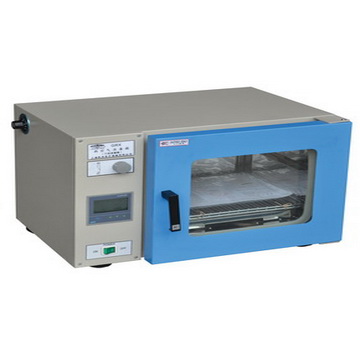
The device described is a laboratory-grade dry heat sterilizer, commonly referred to as a hot air oven. Its primary function is the sterilization of glassware, metal instruments, and other heat-stable materials that cannot withstand the moisture or high pressure associated with steam autoclaves. By utilizing controlled, heated air circulation, this equipment effectively destroys microorganisms, including bacterial spores, through prolonged exposure to high temperatures. This method is particularly essential in microbiology, pharmaceutical manufacturing, and medical research settings where maintaining the integrity of dry items is critical.
The operational process typically involves loading items into the chamber, setting specific temperature parameters usually ranging from 160°C to 180°C, and maintaining these levels for a predetermined duration, often between one to two hours, depending on the load and required sterility assurance level. The uniform distribution of hot air ensures consistent thermal penetration throughout the chamber. Users must strictly adhere to safety protocols during operation. It is imperative to avoid placing flammable substances, volatile chemicals, or plastic items inside the unit, as they may ignite or melt under such extreme conditions. Furthermore, items should be arranged to allow adequate airflow; overcrowding can create cold spots and compromise the sterilization cycle.
Post-cycle handling requires caution, as the interior and contents remain dangerously hot. Items should only be removed once the temperature has safely returned to ambient levels to prevent burns or thermal shock to glassware. Regular maintenance, including cleaning the heating elements and verifying thermostat accuracy, is necessary to ensure reliable performance. Calibration against certified thermometers should be performed periodically. Additionally, users must ensure the device is placed in a well-ventilated area away from combustible materials. Proper usage guarantees effective microbial elimination while preserving the quality of sensitive laboratory equipment, making it an indispensable tool for ensuring aseptic conditions in various scientific and industrial applications.





 (All Rights Reserved)