Product Description
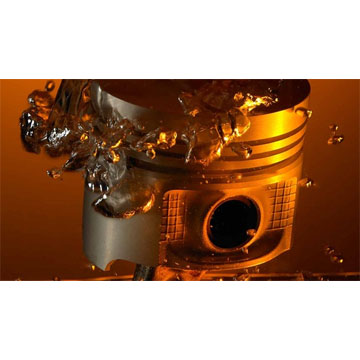
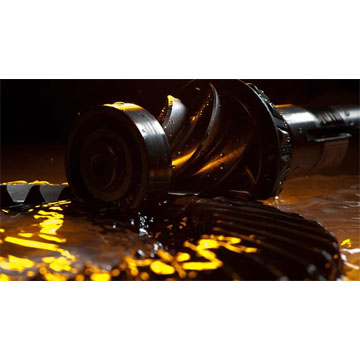
From start-up on the coldest winter mornings to protection in intense summer heat, driveline fluids must perform in the harshest of conditions. Viscosity modifiers help driveline fluids deliver more power, increased fuel efficiency, and optimal wear protection
AI Product Description
*The following content is generated by AI and is for reference only.
Driveline fluids represent a specialized class of lubricants engineered specifically for the transmission systems of modern vehicles, including manual gearboxes, automatic transmissions, differentials, and transfer cases. Unlike standard engine oils, these fluids must meet rigorous performance standards to ensure smooth power delivery, protect against extreme pressure, and maintain thermal stability under high-stress operating conditions. Consequently, they do not possess a single universal molecular formula or CAS number; rather, their chemical composition varies significantly based on the specific application and manufacturer specifications. Typically, base stocks consist of Group III, IV (PAO), or V synthetic hydrocarbons, blended with complex additive packages containing friction modifiers, anti-wear agents like zinc dialkyldithiophosphate (ZDDP), oxidation inhibitors, and viscosity index improvers.
The primary function of driveline fluids is to reduce friction between moving metal components, thereby minimizing wear and extending component lifespan. In manual transmissions, they facilitate precise gear shifting by ensuring synchronizer rings engage smoothly while preventing gear clash. For automatic transmissions, the fluid acts as both a hydraulic medium to transmit force for gear changes and a coolant to dissipate heat generated during operation. Furthermore, differential fluids are critical for protecting hypoid gears found in rear axles from scuffing and pitting under heavy loads. These fluids also play a vital role in corrosion prevention, shielding internal parts from moisture and acidic byproducts of combustion. Modern formulations often feature low-temperature fluidity to ensure easy cold starts and high-temperature shear stability to prevent thinning under extreme heat. Selecting the correct fluid is paramount, as using an incompatible type can lead to catastrophic transmission failure. Manufacturers strictly define requirements through specifications such as API GL-5 for differentials or ATF+4 for automatics, emphasizing that no single product fits all scenarios. Ultimately, high-quality driveline fluids are essential for vehicle reliability, fuel efficiency, and safety, serving as the lifeblood of the powertrain system.





 (All Rights Reserved)