Product Description
Pharmaceutical
Raw Materials and Intermediates
AI Product Description
*The following content is generated by AI and is for reference only.
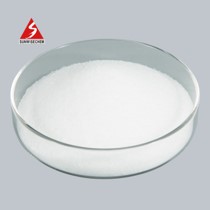
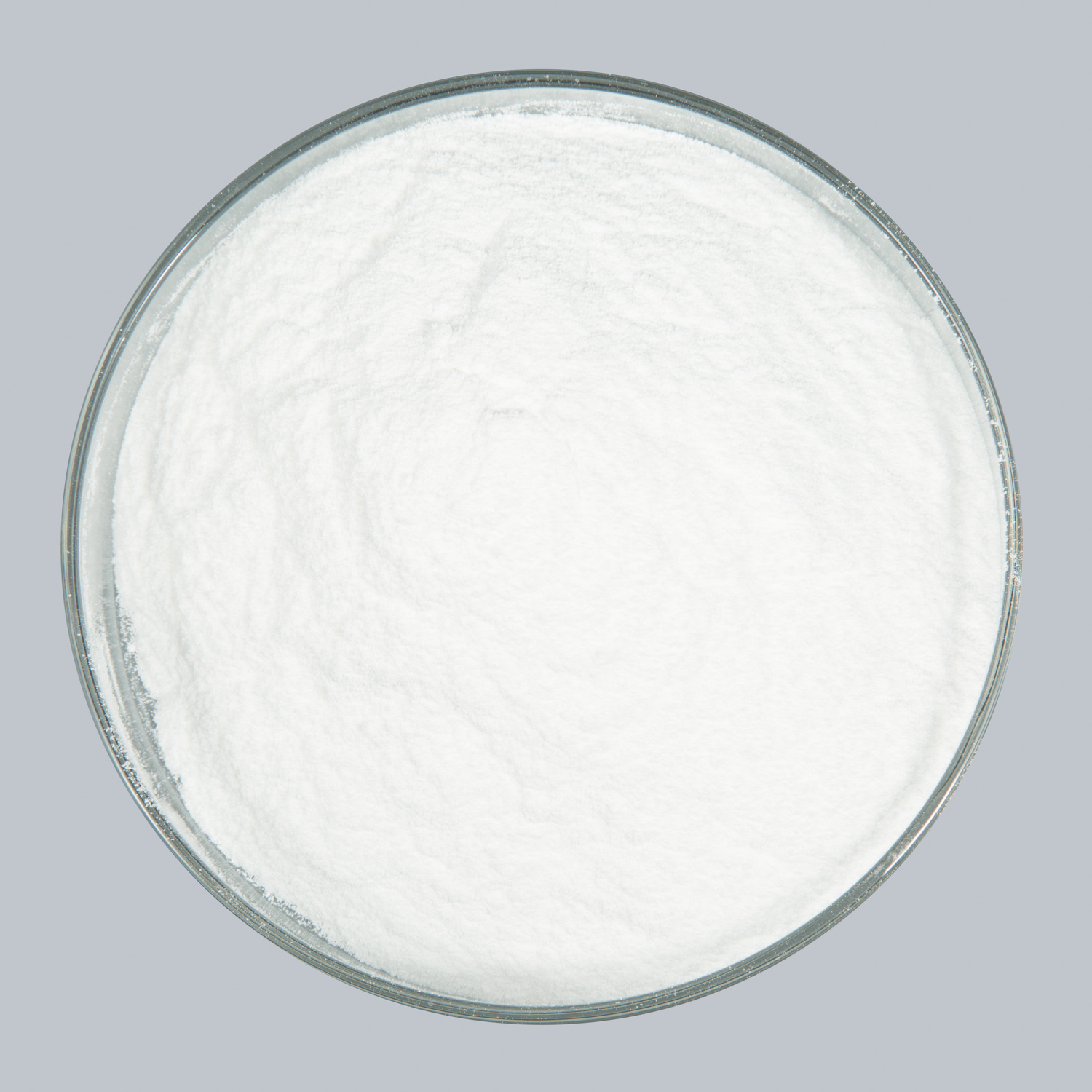
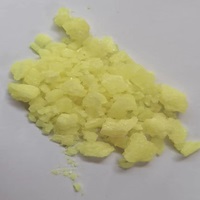
Diniconazole is a systemic triazole fungicide widely utilized in modern agriculture to combat a broad spectrum of fungal diseases affecting cereal crops, fruits, and ornamental plants. Chemically known as (RS)-1-(2,4-dichlorophenyl)-4,4-dimethyl-2-(1H-1,2,4-triazol-1-yl)pentan-3-ol, its molecular formula is C16H20Cl2N4O, and it carries the CAS Registry Number 83657-24-3. This compound functions primarily by inhibiting the biosynthesis of ergosterol, an essential component of fungal cell membranes. By disrupting this critical pathway, Diniconazole effectively halts fungal growth and prevents spore germination, offering both curative and protective properties against pathogens such as powdery mildew, rusts, and leaf spots.
The product is particularly valued for its high efficacy at low application rates and its ability to translocate within plant tissues, providing long-lasting protection even after rainfall. It is commonly applied as a foliar spray or seed treatment on major crops including wheat, barley, rice, and various fruit trees like apples and grapes. Beyond its agricultural utility, Diniconazole demonstrates excellent compatibility with other agrochemicals, allowing for flexible tank-mixing strategies to manage complex pest and disease pressures. Its mode of action belongs to the sterol demethylation inhibitor (DMI) group, making it a cornerstone in integrated pest management programs designed to delay resistance development when rotated with fungicides having different mechanisms.
Safety profiles indicate that while Diniconazole is effective against fungi, it requires careful handling according to regulatory guidelines to minimize exposure risks to humans and non-target organisms. Environmental studies suggest moderate persistence in soil but rapid degradation under sunlight, reducing long-term ecological impact. As global food security demands increase, Diniconazole remains a vital tool for farmers aiming to maximize yield quality and quantity through robust disease control. Continuous research focuses on optimizing formulation technologies to enhance uptake efficiency and reduce environmental footprint, ensuring sustainable crop production for future generations.



 (All Rights Reserved)
![8,16-Diazadispiro[6.1.6.2]heptadecan-17-one](https://eimg.pharmasources.com/image/product/20250403/ca91cba8b87e53fc879f8d8764873a40jpg)
![8-Oxa-1,3-diazaspiro[4.5]decane-2,4-dione](https://eimg.pharmasources.com/image/product/20250403/60fa7223d5a34f24138486ceea0ffb15jpg)
![6,8-Dioxo-5,7-diazaspiro[3.4]octane-2-carboxylic acid](https://eimg.pharmasources.com/image/product/20250403/02effeb5a7639bc84ff1f3add3c0c64fjpg)