Product Description
| Product name |
Article Number |
Standard |
Price |
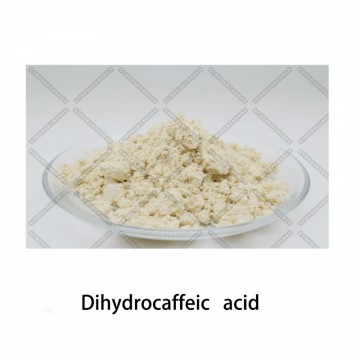
| Dihydrocaffeic acid |
VBL-GC-042 |
KG-T |
|

Synonym:3,4-dihydroxyphenylpropionic acid
CAS #:1078-61-1
Formula:C9H10O4
Molecular Weight:182.17
AI Product Description
*The following content is generated by AI and is for reference only.
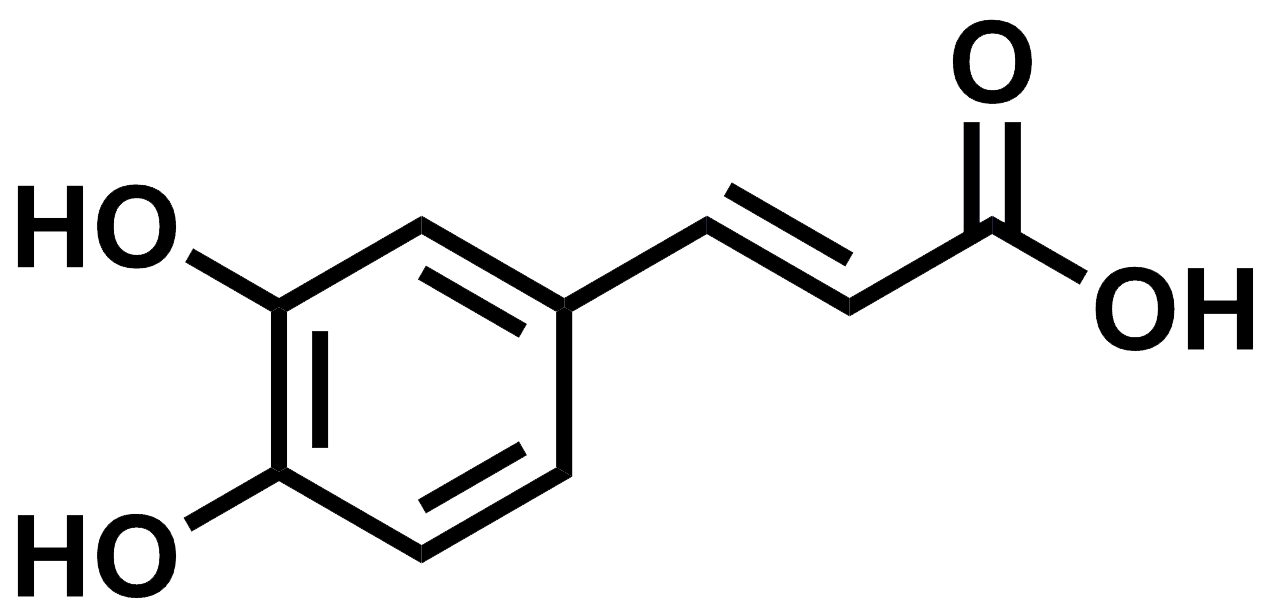
Dihydrocaffeic acid, chemically known as 3-(3,4-dihydroxyphenyl)propanoic acid, is a bioactive phenolic compound belonging to the hydroxycinnamic acid family. It serves as a saturated derivative of caffeic acid, distinguished by the absence of a double bond in its propenoic side chain. This structural modification significantly alters its chemical reactivity and biological stability compared to its unsaturated counterpart. The molecular formula for dihydrocaffeic acid is C9H10O4, with a precise molecular weight of approximately 182.17 g/mol. Its unique identity is formally registered under the CAS number 655-50-1, ensuring traceability in scientific databases and commercial transactions.
Primarily found in various plant species, including coffee beans, tea leaves, and certain fruits, this compound plays a pivotal role in natural antioxidant defense systems. As a potent free radical scavenger, dihydrocaffeic acid exhibits significant potential in mitigating oxidative stress within biological systems. Research suggests its efficacy in protecting cells against lipid peroxidation and DNA damage caused by reactive oxygen species. Consequently, it has garnered substantial interest in the pharmaceutical and nutraceutical sectors for developing therapies targeting inflammatory conditions, neurodegenerative disorders, and cardiovascular diseases.
In the food and beverage industry, dihydrocaffeic acid is valued not only for its functional properties but also for its contribution to the sensory profile of plant-based products. Its presence enhances the nutritional value of dietary supplements designed to support metabolic health and immune function. Furthermore, due to its biocompatibility and low toxicity profile, it is increasingly explored as a green additive in cosmetic formulations aimed at skin rejuvenation and anti-aging treatments. While currently more common in research settings than mass-market consumer goods, ongoing studies continue to uncover its diverse applications in drug delivery systems and as a precursor for synthesizing complex pharmaceutical agents. As demand for natural, plant-derived bioactives grows, dihydrocaffeic acid stands out as a versatile molecule bridging the gap between traditional herbal medicine and modern therapeutic innovation.





 (All Rights Reserved)

![4-[[[[6-[(Diethylamino)methyl]-2-naphthalenylmethoxy]carbonyllaminolbenzoic acid](https://eimg.pharmasources.com/image/20241206/xJCFsdgfMrHzqjtgeOixhGQHgVbKi7kAcoEqemzE.jpg)