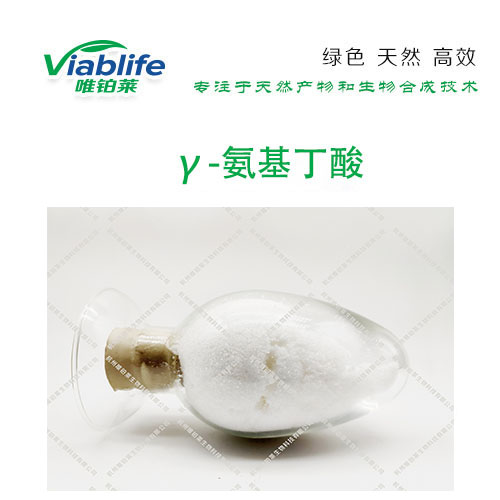
Synonym:4-Aminobutyric acid
CAS #:56-12-2
Formula:C4H9NO2
Molecular Weight:103.12
Apparance:White powder, soluble in water, slightly soluble in hot ethanol, insoluble in cold ethanol, ether and benzene.
Function:
① Reduces blood ammonia and promotes brain metabolism
②Regulate metabolic balance in the body
③Relieve anxiety and regulate sleep
Application:
①Treat and prevent all types of hepatic coma
② Animal feed additive
③Sleep regulator
*The following content is generated by AI and is for reference only.
Gamma-aminobutyric acid, commonly abbreviated as GABA, is a crucial non-proteinogenic amino acid that functions as the primary inhibitory neurotransmitter in the mature mammalian central nervous system. With the chemical formula C4H9NO2 and the CAS registry number 56-12-2, this colorless crystalline powder plays a pivotal role in regulating neuronal excitability throughout the brain. Its molecular structure allows it to bind specifically to GABA receptors, thereby reducing the activity of nerve cells and promoting relaxation, sleep, and anxiety reduction.
In the pharmaceutical industry, GABA derivatives are extensively researched for their therapeutic potential in treating neurological disorders such as epilepsy, hypertension, and insomnia. While synthetic GABA itself faces challenges regarding blood-brain barrier permeability when administered orally, its precursor forms and specific delivery systems have shown promise in clinical settings for managing stress and improving cognitive function. Consequently, it serves as a vital active ingredient in various dietary supplements aimed at enhancing mental well-being and supporting healthy sleep patterns.
Beyond medicine, GABA finds significant application in the agricultural sector. It acts as a signaling molecule in plants, helping them respond to environmental stresses like drought, salinity, and pathogen attacks. By modulating plant growth and development, GABA-based treatments can improve crop resilience and yield quality without relying heavily on traditional pesticides. Furthermore, the biotechnology industry utilizes engineered microorganisms to produce GABA through fermentation processes, creating a sustainable source for food additives and functional beverages designed to combat modern lifestyle-induced stress.
The versatility of Gamma-aminobutyric acid extends into cosmetic formulations, where it is used to soothe skin irritation and reduce redness by calming nerve signals in the epidermis. As research continues to uncover new mechanisms of action, GABA remains a cornerstone compound bridging neuroscience, agriculture, and consumer health products. Its ability to promote inhibition and balance makes it indispensable in developing solutions for both human physiological needs and global food security challenges.





 (All Rights Reserved)
![6,8-Dioxo-5,7-diazaspiro[3.4]octane-2-carboxylic acid](https://eimg.pharmasources.com/image/product/20250403/02effeb5a7639bc84ff1f3add3c0c64fjpg)
![8-Oxa-1,3-diazaspiro[4.5]decane-2,4-dione](https://eimg.pharmasources.com/image/product/20250403/60fa7223d5a34f24138486ceea0ffb15jpg)
![8,16-Diazadispiro[6.1.6.2]heptadecan-17-one](https://eimg.pharmasources.com/image/product/20250403/ca91cba8b87e53fc879f8d8764873a40jpg)
