*The following content is generated by AI and is for reference only.
Di-p-anisoyl-D-tartaric acid is a specialized chiral organic compound derived from the esterification of D-tartaric acid with p-anisic acid. This molecule serves as a crucial building block in asymmetric synthesis and pharmaceutical research, primarily functioning as a chiral auxiliary or resolving agent. Its chemical structure combines the rigid stereochemical framework of tartaric acid with the lipophilic character provided by the two p-methoxybenzoyl groups, enhancing its solubility in organic solvents while maintaining high optical purity.
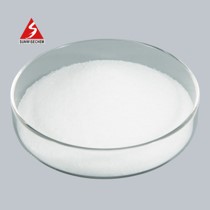
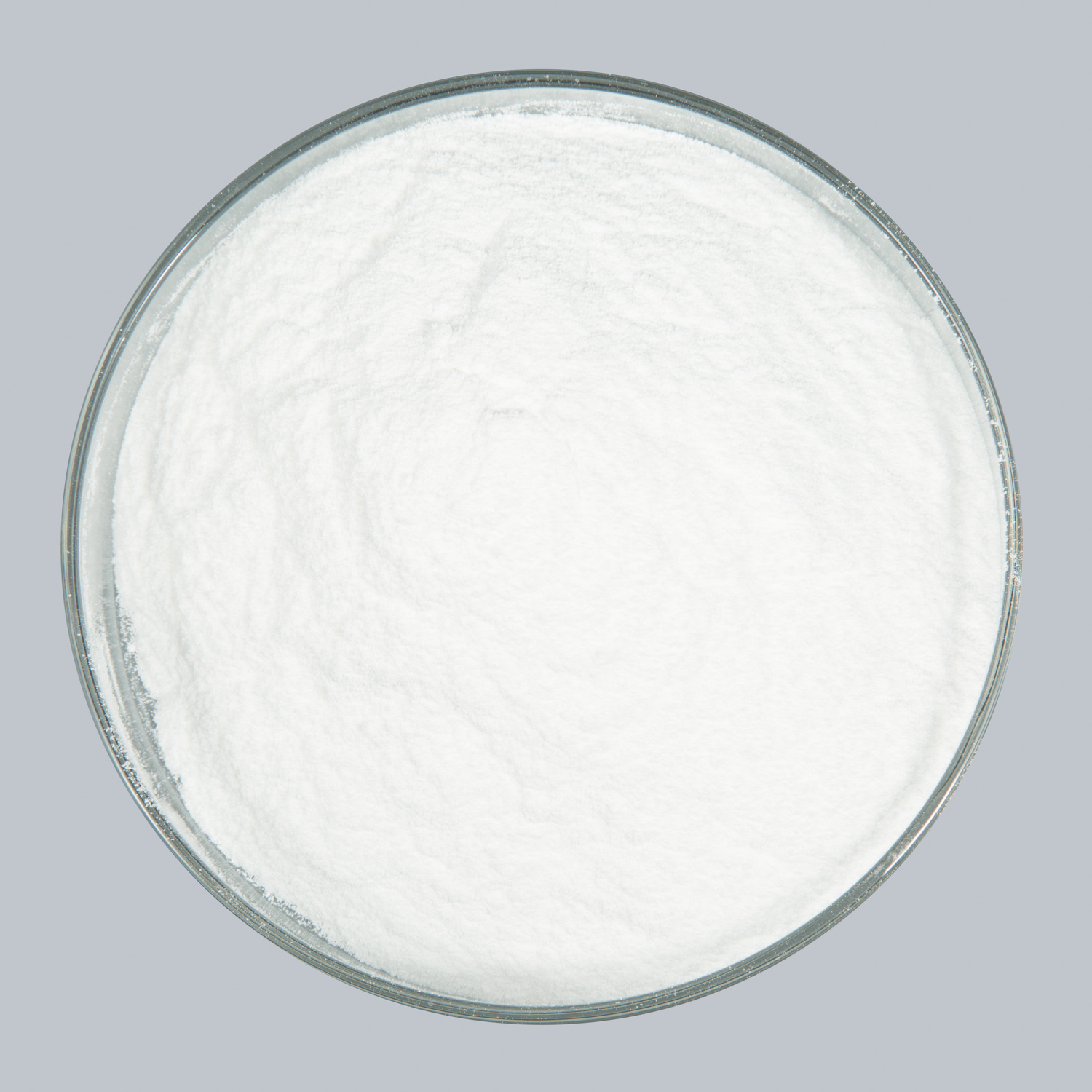
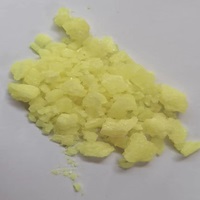
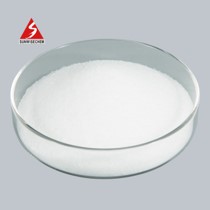
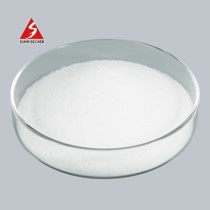
The molecular formula for Di-p-anisoyl-D-tartaric acid is C20H20O8, reflecting the addition of two anisoyl moieties to the central tartrate core. While specific CAS numbers can vary slightly depending on the exact supplier and purity grade, it is generally cataloged under unique identifiers associated with diesterified tartaric derivatives. The compound is typically supplied as a white to off-white crystalline powder, stable under standard storage conditions but requiring protection from strong acids or bases that could hydrolyze the ester bonds.
In practical applications, this reagent is extensively utilized in the resolution of racemic mixtures, allowing chemists to separate enantiomers based on differences in physical properties when forming diastereomeric salts or esters. It plays a significant role in the synthesis of complex natural products and bioactive molecules where stereocontrol is paramount. By acting as a chiral template, it facilitates the formation of specific stereoisomers during key synthetic steps, thereby improving the efficiency and yield of drug development processes. Furthermore, its utility extends to the creation of chiral catalysts and ligands used in transition-metal-coupled reactions. Due to its high optical activity and structural rigidity, researchers value it for generating precise three-dimensional architectures in medicinal chemistry. Although not a commodity chemical, it remains an essential tool in academic laboratories and industrial R&D departments focused on advanced organic synthesis. Handling requires standard laboratory safety precautions, including the use of gloves and eye protection, to prevent skin contact or inhalation of dust. As demand for enantiopure drugs grows, the importance of reliable chiral auxiliaries like Di-p-anisoyl-D-tartaric acid continues to rise in the global chemical market.