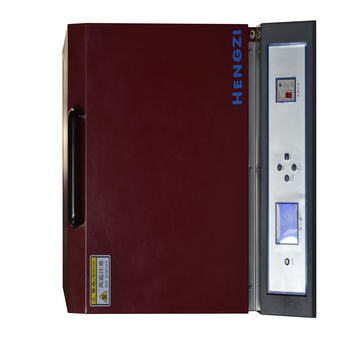
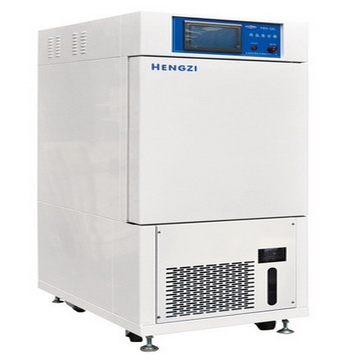
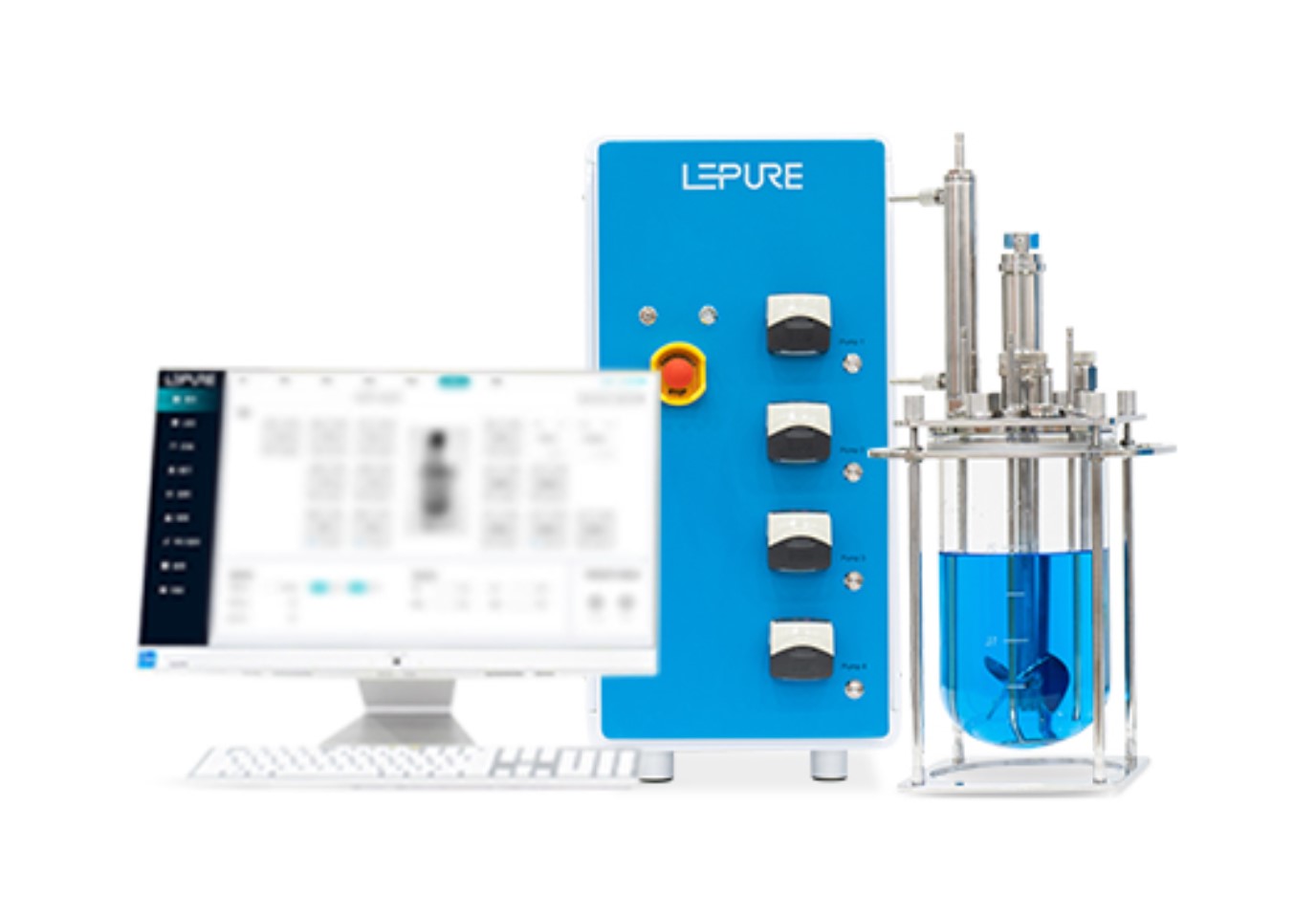
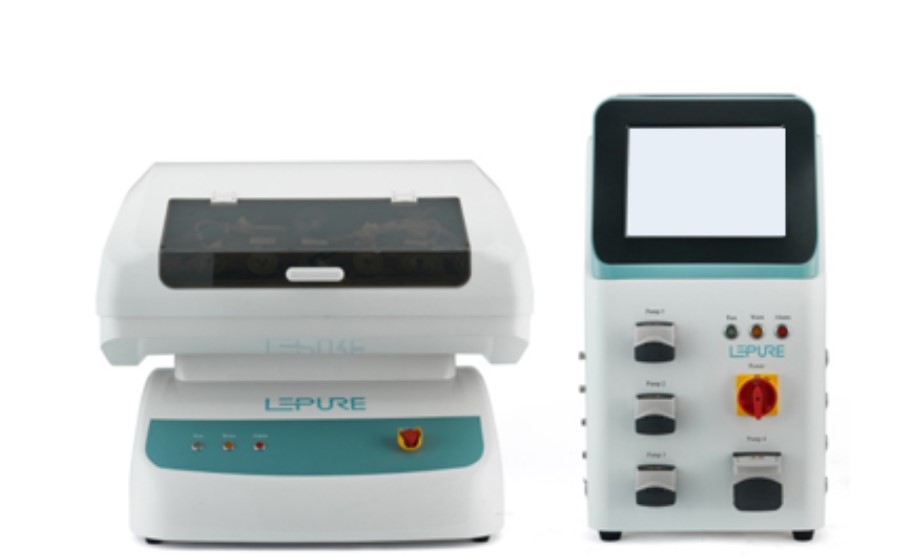
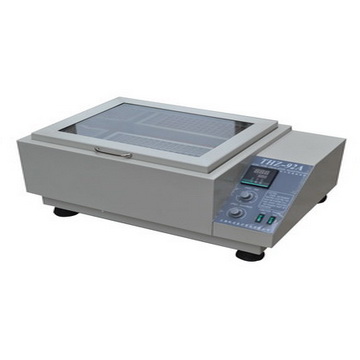
The shaker is a basic equipment for microbe incubation, widely been used in biology, medicine, pharmaceuticals, food, environmental protection and agriculture science and research. Main parts like temperature controller and speed measuring device etc are imported.
*The following content is generated by AI and is for reference only.
The device described is a laboratory-grade orbital shaker designed specifically for incubation applications, commonly utilized in microbiology, cell culture, and biochemical research. Its primary function is to maintain a stable temperature environment while simultaneously agitating liquid samples through a controlled oscillating motion. This dual capability ensures optimal growth conditions for bacteria, yeast, or mammalian cells by promoting uniform nutrient distribution and oxygen transfer within flasks or test tubes. The unit typically features a precision thermostat system that maintains consistent thermal stability, preventing fluctuations that could compromise experimental results.
Operators must adhere to several critical safety protocols during use. First, the equipment should be placed on a level, vibration-resistant surface to ensure mechanical stability and accurate shaking performance. It is imperative to balance loads symmetrically; placing vessels of unequal weight on opposite sides can cause excessive vibration, potentially damaging the motor or the sample contents. Users should always verify that the lid is securely closed before initiating operation to prevent spills and maintain internal humidity levels. Furthermore, the device requires adequate ventilation around its exterior casing to dissipate heat generated by the heating element and compressor, ensuring the longevity of internal components.
Regular maintenance is essential for reliable performance. The interior chamber and platform should be cleaned periodically with mild disinfectants to prevent cross-contamination between experiments. Electrical connections must remain dry and free from debris to avoid short circuits. When not in use for extended periods, it is advisable to unplug the unit and store it in a clean, dry environment. Operators should also monitor the maximum capacity limits specified by the manufacturer to avoid overloading the drive mechanism. By following these guidelines, researchers can ensure precise data collection and extend the operational lifespan of this versatile incubation tool in various scientific settings.





 (All Rights Reserved)