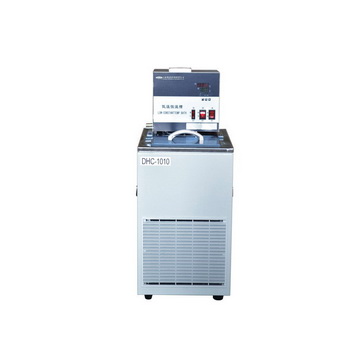
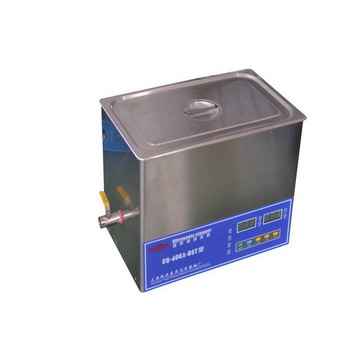
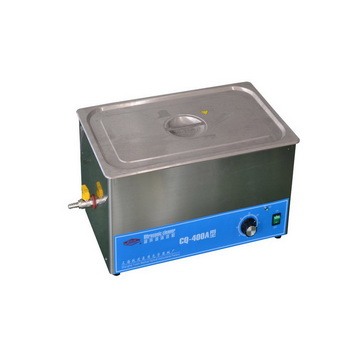
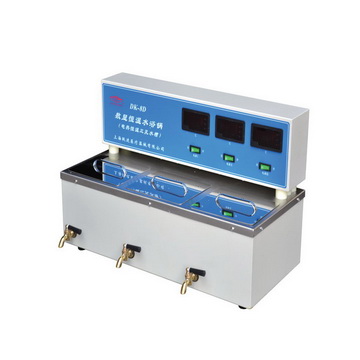
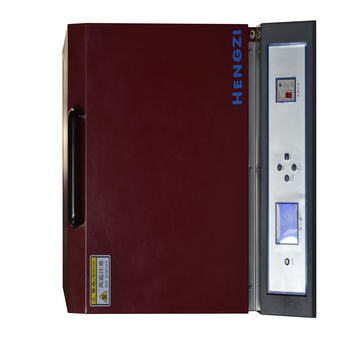
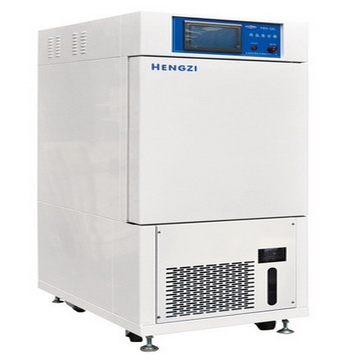
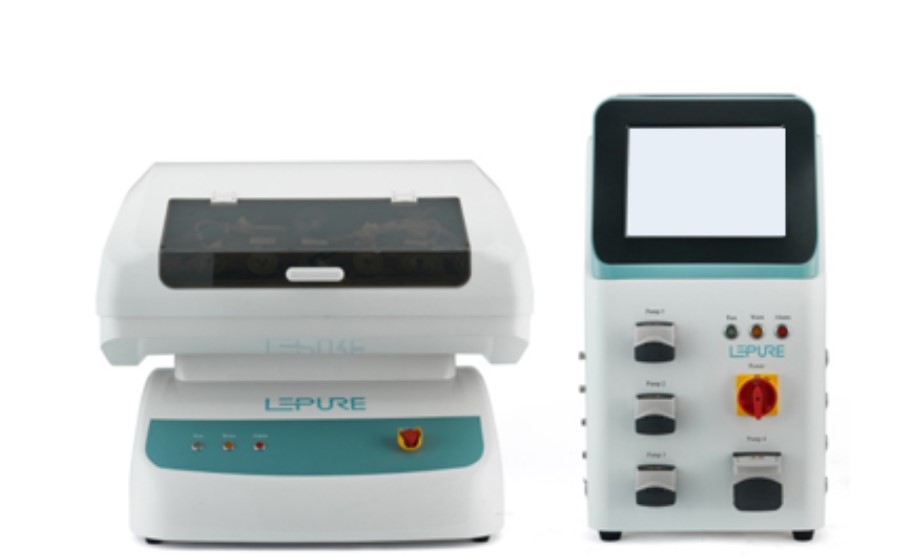
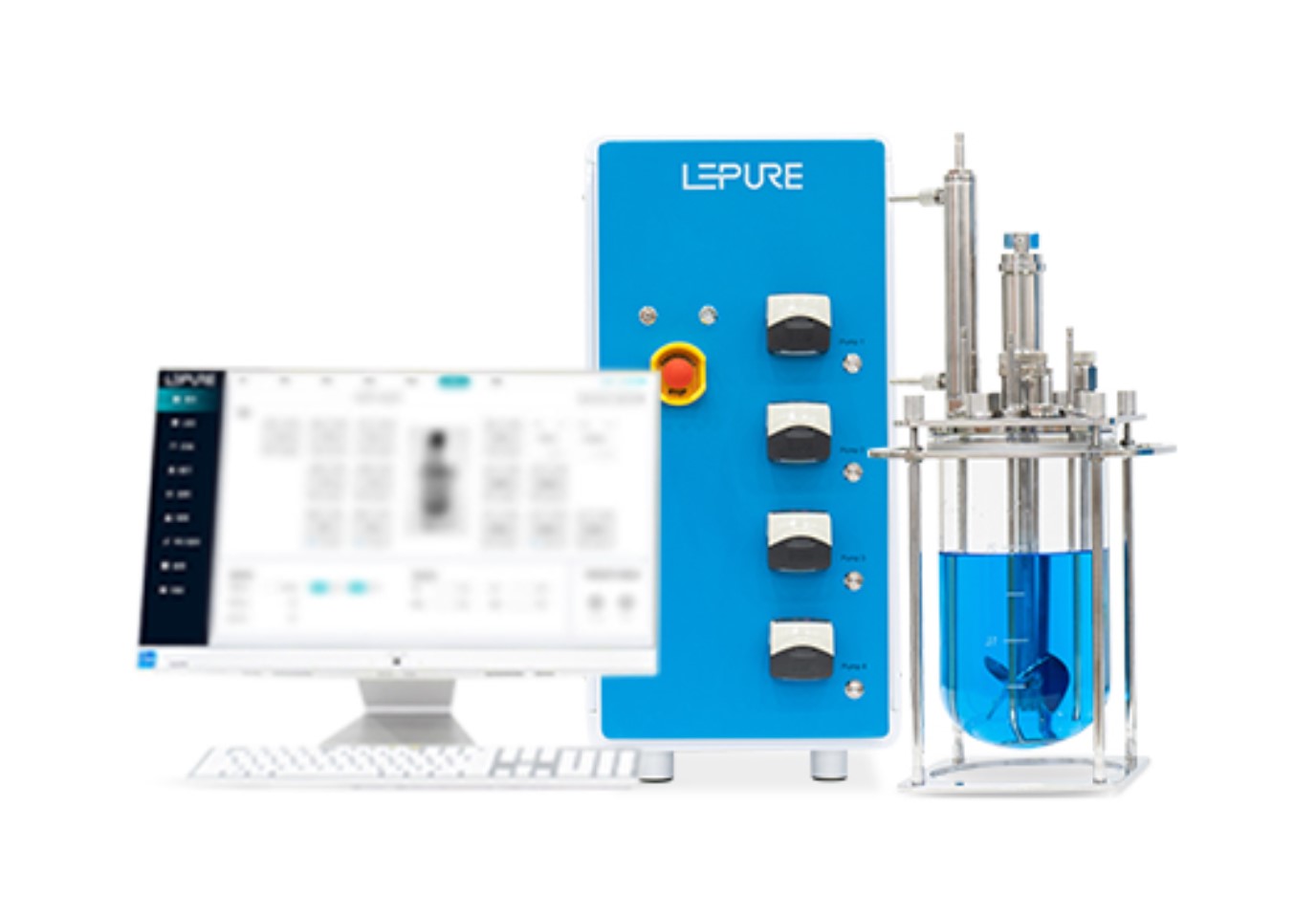
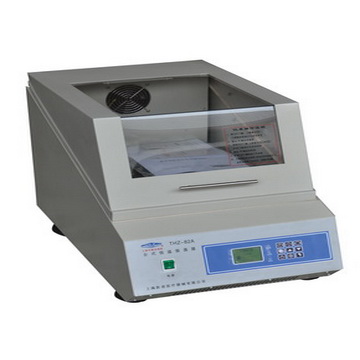
The shaker is a basic equipment for microbe incubation, widely been used in biology, medicine, pharmaceuticals, food, environmental protection and agriculture science and research. Main parts like temperature controller and speed measuring device etc are imported.
*The following content is generated by AI and is for reference only.
The device described is a widely utilized laboratory instrument known as a desktop incubator shaker. It combines precise temperature control with orbital agitation to create an optimal environment for the growth and maintenance of biological cultures, particularly in microbiology, molecular biology, and cell culture applications. The primary function of this equipment is to facilitate uniform mixing and aeration within liquid media contained in flasks or tubes, ensuring that nutrients are evenly distributed and waste products are minimized. This dual capability makes it indispensable for experiments requiring consistent oxygen transfer and homogenous suspension, such as bacterial fermentation, yeast propagation, and protein expression studies.
Operating this unit requires adherence to specific safety and operational protocols to ensure both personnel safety and experimental integrity. First, users must strictly observe the maximum capacity limits for flasks to prevent mechanical imbalance, which could damage the drive mechanism or cause the unit to tip over. It is crucial to balance loads symmetrically on the shaking platform; uneven distribution can lead to excessive vibration and premature wear. Additionally, before initiating operation, the lid should be securely closed to maintain thermal stability and prevent contamination from external sources. Temperature settings must be verified against the required protocol, as overheating can kill sensitive cultures while underheating may stall growth.
Regular maintenance is essential for longevity. The interior chamber should be cleaned periodically with mild disinfectants to prevent microbial buildup, and the shaking platform should be inspected for debris or corrosion. Users should avoid placing heavy or irregularly shaped objects directly on the heating surface without proper support. Furthermore, the unit should not be operated in environments with high humidity or flammable gases unless specifically rated for such conditions. Proper ventilation around the device is necessary to dissipate heat generated by the internal motor and heater. By following these guidelines, researchers can achieve reliable, reproducible results while extending the service life of the instrument in any standard laboratory setting.





 (All Rights Reserved)