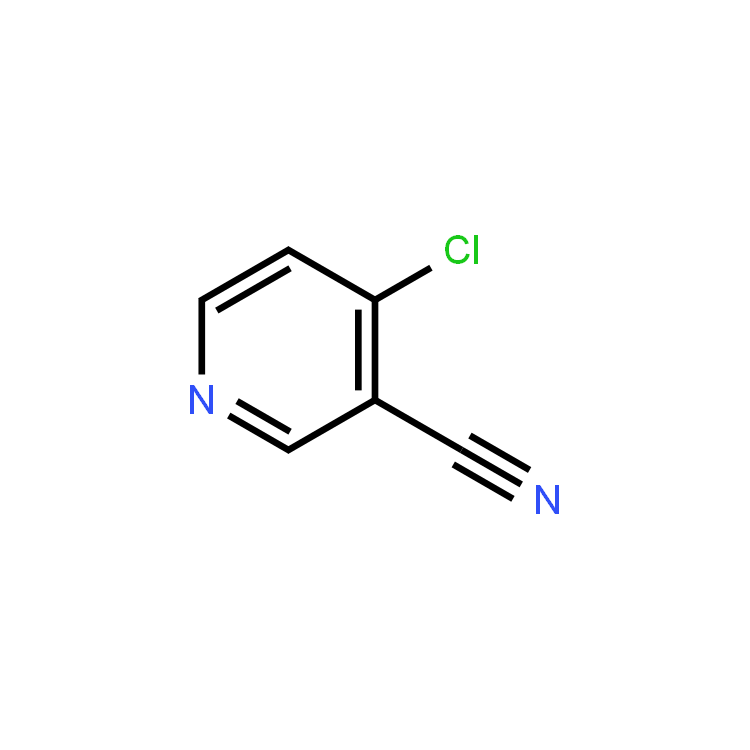
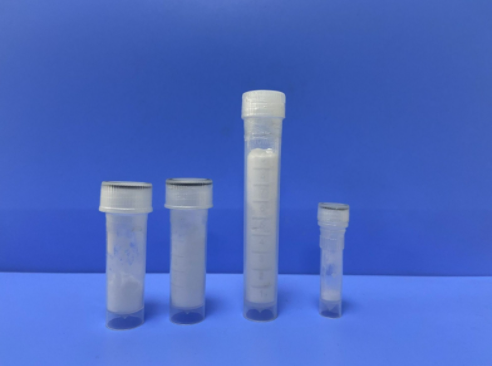
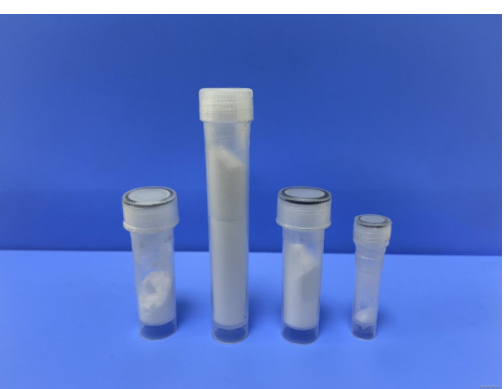
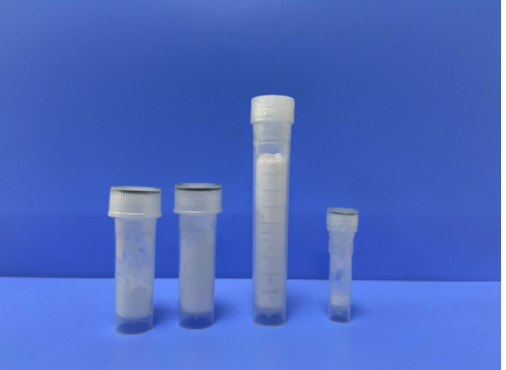
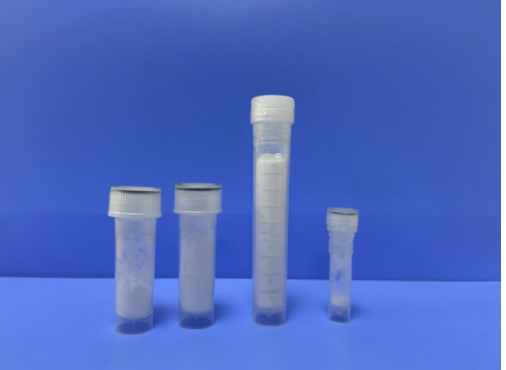
Brand: Gutuo Appearance: white solid Storage: shading, cool and dry, sealed and stored Purity: ≥99% Main use: pharmaceutical intermediates Executive standard: enterprise standard Specification: 25kg/barrel or 1kg/bag (subject to customer requirements) Sales scope: nationwide
*The following content is generated by AI and is for reference only.
Dermaseptin phyllomedusa S is a naturally occurring antimicrobial peptide originally isolated from the skin secretions of the tree frog *Phyllomedusa sauvagii*. As a member of the broad-spectrum dermaseptin family, this cationic peptide exhibits potent activity against a wide range of microorganisms, including Gram-positive and Gram-negative bacteria, fungi, and even certain enveloped viruses. Its mechanism of action primarily involves the disruption of microbial cell membranes through a pore-forming or carpet-like model, leading to rapid cell lysis and death without easily inducing resistance compared to traditional small-molecule antibiotics.
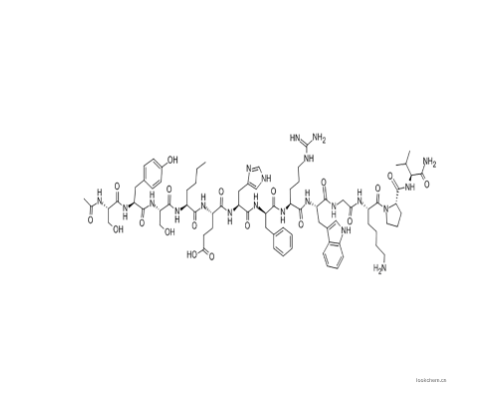
The molecular formula for Dermaseptin phyllomedusa S is typically represented as C138H228N40O37, reflecting its composition of 39 amino acid residues. While it does not possess a single traditional CAS number like synthetic chemicals due to its nature as a biologically derived peptide mixture or specific isoform often cataloged under generic entries for dermaseptins in databases, it is frequently associated with research identifiers linked to amphibian defensins. In scientific literature, it is sometimes referenced alongside related peptides such as Dermaseptin-S1, sharing similar structural motifs rich in hydrophobic and basic amino acids that facilitate membrane interaction.
The primary application of Dermaseptin phyllomedusa S lies in the field of biomedical research and pharmaceutical development. Scientists are actively investigating its potential as a template for novel therapeutic agents to combat multidrug-resistant pathogens, which pose a significant global health threat. Its unique ability to target bacterial membranes makes it a promising candidate for topical treatments, wound dressings, and coating materials for medical devices to prevent biofilm formation. Furthermore, studies suggest its utility in agriculture as a natural preservative or antifungal agent to protect crops. Despite challenges regarding stability and potential toxicity to mammalian cells at high concentrations, ongoing structural modifications aim to enhance its selectivity and pharmacokinetic profile. Ultimately, Dermaseptin phyllomedusa S represents a vital resource in the quest for next-generation antimicrobials, bridging the gap between natural biological defense systems and advanced clinical solutions.





 (All Rights Reserved)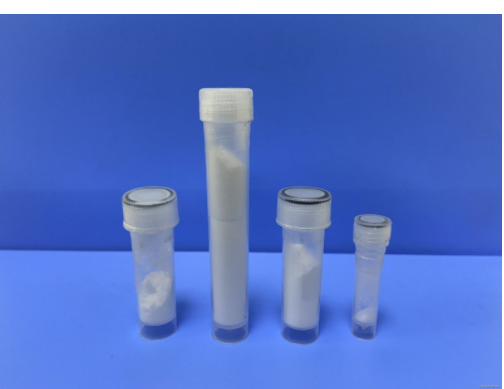

![8-Oxa-1,3-diazaspiro[4.5]decane-2,4-dione](https://eimg.pharmasources.com/image/product/20250403/60fa7223d5a34f24138486ceea0ffb15jpg)
![6,8-Dioxo-5,7-diazaspiro[3.4]octane-2-carboxylic acid](https://eimg.pharmasources.com/image/product/20250403/02effeb5a7639bc84ff1f3add3c0c64fjpg)
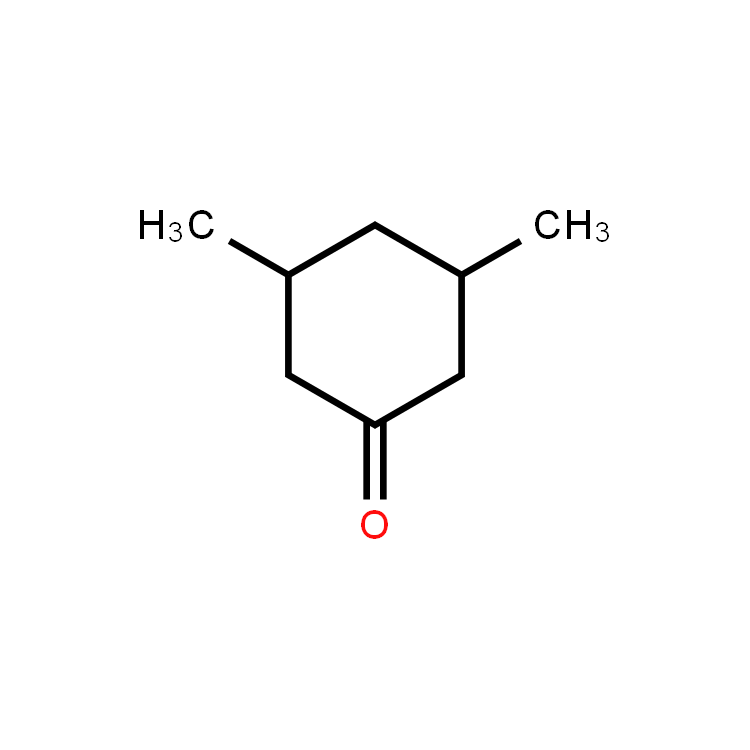
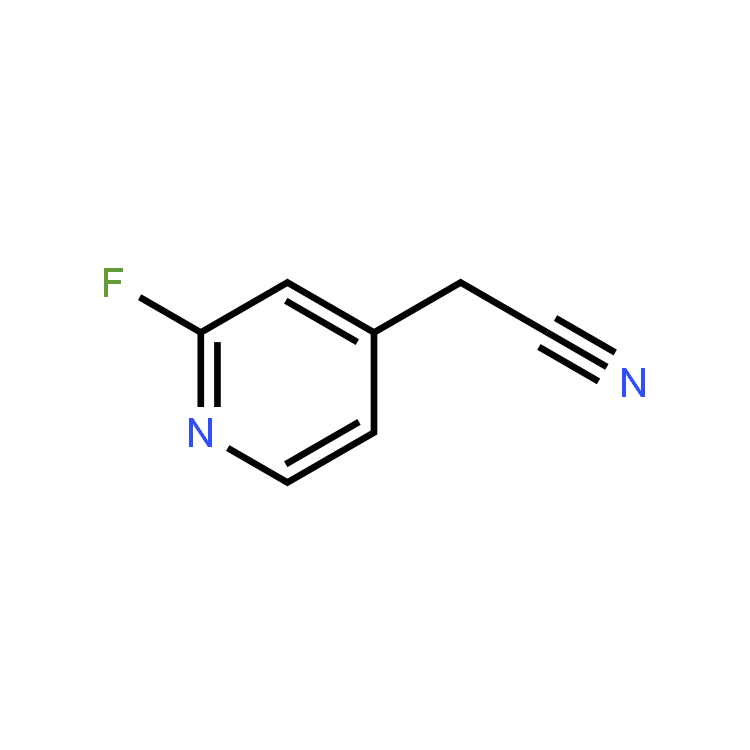
![8,16-Diazadispiro[6.1.6.2]heptadecan-17-one](https://eimg.pharmasources.com/image/product/20250403/ca91cba8b87e53fc879f8d8764873a40jpg)