Product Description
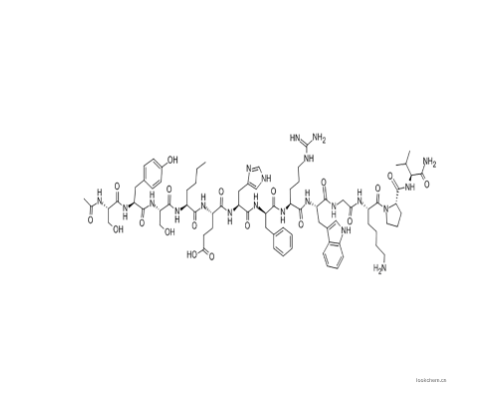
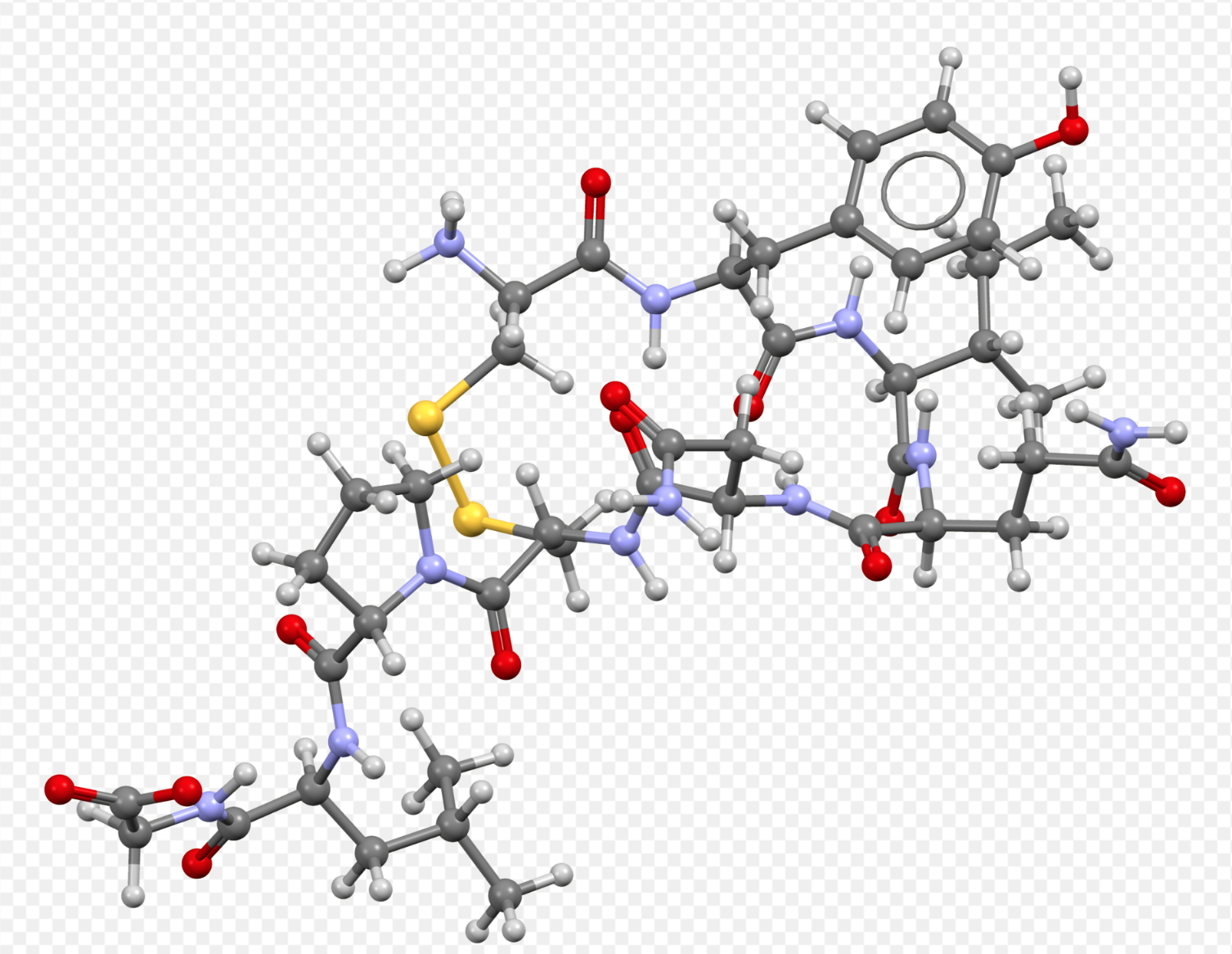
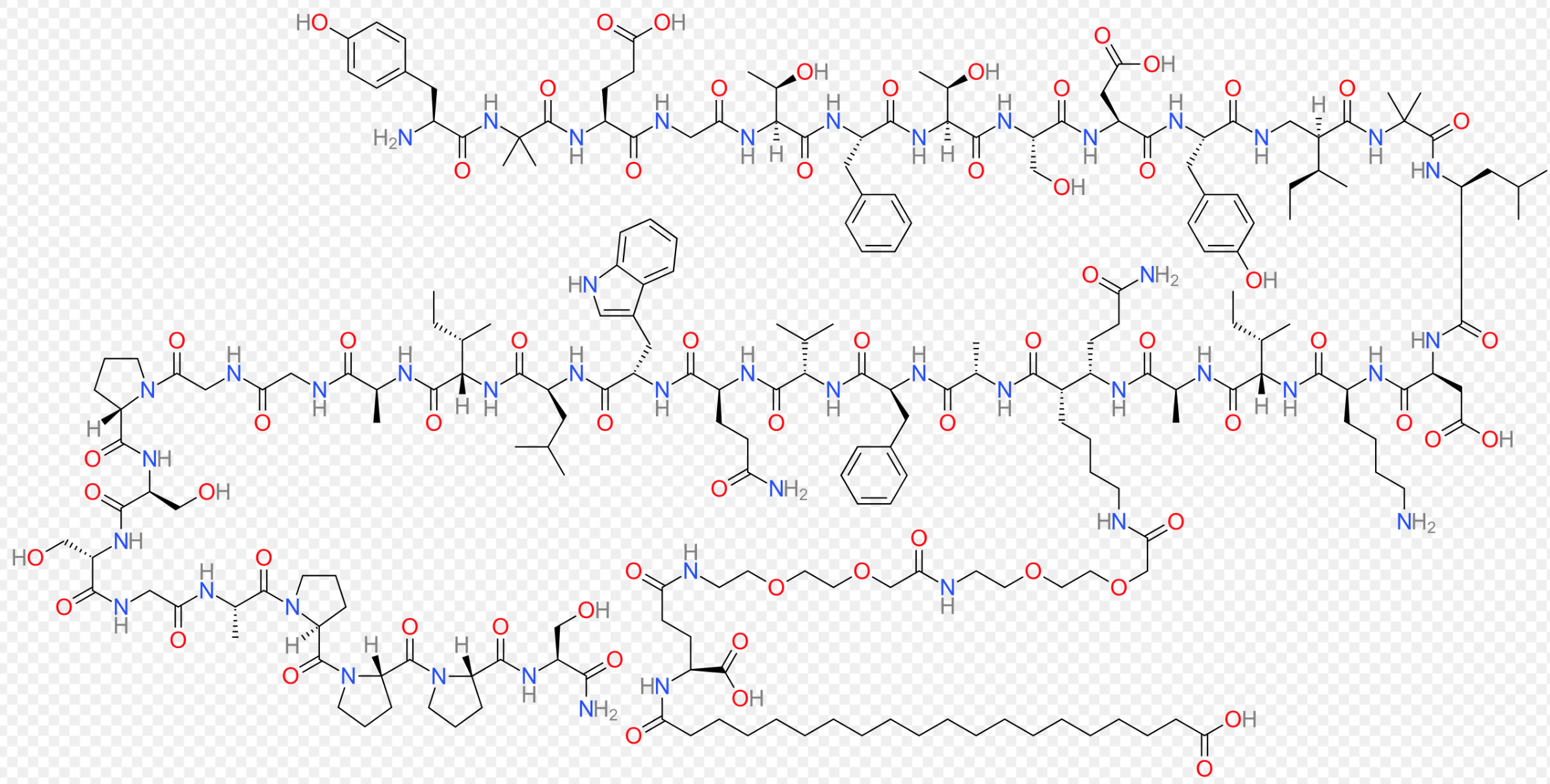
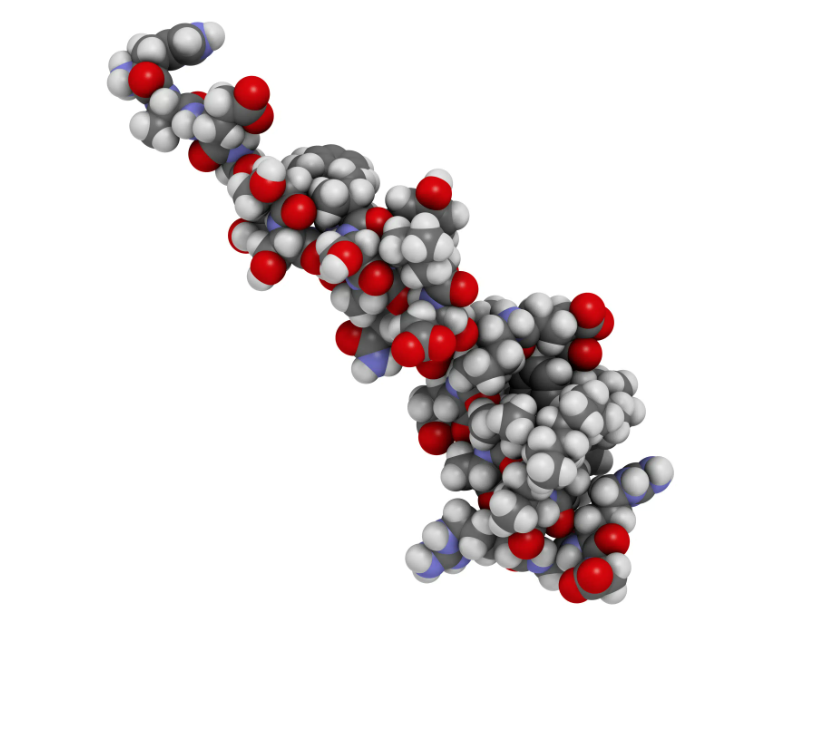
Dermaseptin is a kind of bioactive peptide widely existing in biology. It is an important defense component of innate immunity of frogs. It belongs to a series of antimicrobial peptide. Dermaseptin is composed of 34 amino acids and peptide structure is not stable. The Gln at the C-terminal of the peptide sequence is easy to degrade, which leads to the change of the peptide structure.
AI Product Description
*The following content is generated by AI and is for reference only.
Dermaseptins represent a diverse family of naturally occurring antimicrobial peptides originally isolated from the skin secretions of frogs belonging to the genus *Phyllomedusa*, particularly the red-eyed tree frog (*Agalychnis callidryas*). Unlike synthetic antibiotics, these peptides are produced by the amphibian as a crucial component of its innate immune system, providing a potent defense mechanism against bacterial, fungal, and viral pathogens in their moist environments. The molecular structure of Dermaseptins typically consists of linear, unmodified peptides ranging from 25 to 30 amino acids in length. While they do not share a single universal molecular formula or CAS number due to the existence of multiple variants (such as Dermaseptin S1, S4, and K4), specific isoforms like Dermaseptin S4 possess distinct chemical compositions characterized by high hydrophobicity and a net positive charge at physiological pH. This unique physicochemical property enables them to interact selectively with microbial cell membranes.
The primary mechanism of action involves the disruption of the integrity of the target cell membrane. Upon contact, these cationic peptides insert into the lipid bilayer, often forming transmembrane pores or adopting a toroidal pore model, leading to rapid leakage of intracellular contents and subsequent cell death. Notably, Dermaseptins exhibit broad-spectrum activity against Gram-positive and Gram-negative bacteria, including drug-resistant strains like MRSA, as well as various fungi and even enveloped viruses. A significant advantage over traditional antibiotics is their low propensity for inducing resistance in microbial populations. Consequently, these peptides hold immense promise for pharmaceutical applications, serving as templates for developing novel therapeutics against multidrug-resistant infections. Furthermore, research explores their potential in agricultural biotechnology for crop protection and in cosmetic formulations for natural preservative systems. Despite challenges regarding stability and potential toxicity to mammalian cells, ongoing structural modifications and delivery systems aim to enhance their therapeutic index, positioning Dermaseptins as a frontier in next-generation antimicrobial drug discovery.





 (All Rights Reserved)