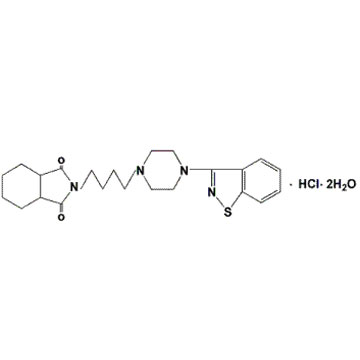
Dasatinib is an orally available multikinase inhibitor indicated for the treatment of Philadelphia chromosome (Ph)-positive leukemias. Ph is a chromosomal abnormality found in patients with chronic myelogenous leukemia (CML) and acute lymphocytic leukemia (ALL), where the ABL tyrosine kinase and the breakpoint cluster region (BCR) gene transcribe the chimeric protein BCR-ABL.
*The following content is generated by AI and is for reference only.
Dasatinib anhydrous is a potent, orally bioavailable small-molecule inhibitor belonging to the class of tyrosine kinase inhibitors (TKIs). Its primary clinical application lies in the treatment of chronic myeloid leukemia (CML) and acute lymphoblastic leukemia (ALL), particularly in cases resistant to or intolerant of imatinib therapy. The molecule functions by selectively inhibiting the BCR-ABL tyrosine kinase, a constitutively active fusion protein responsible for driving leukemogenesis in CML and ALL. Furthermore, Dasatinib exhibits broad-spectrum activity against Src family kinases, making it effective against various drug-resistant mutations that render first-generation TKIs ineffective.
The chemical identity of Dasatinib anhydrous is defined by its molecular formula, C22H25ClN6O3S, and it carries the unique CAS registry number 302986-17-2. As the anhydrous form, this specific variant contains no water molecules within its crystal lattice structure, ensuring higher stability and consistent potency during storage and formulation compared to hydrated salts. This physical characteristic is crucial for pharmaceutical manufacturing, as it facilitates precise dosing and improves the shelf-life of the final drug product. The compound acts as a dual inhibitor, binding with high affinity to both the active and inactive conformations of the BCR-ABL kinase domain, thereby blocking downstream signaling pathways essential for cell proliferation and survival.
Beyond its established oncology indications, research continues to explore its potential in solid tumors where Src kinase overexpression plays a role. The anhydrous powder form is typically supplied as a white to off-white crystalline solid for use in clinical trials and pharmaceutical development. Its mechanism of action involves disrupting the ATP-binding site of the target kinases, preventing phosphorylation events that trigger uncontrolled cell growth. Due to its high specificity and efficacy against a wide range of BCR-ABL mutants, Dasatinib anhydrous remains a cornerstone therapy in modern hematology, offering significant survival benefits to patients with advanced stages of leukemia who have exhausted other treatment options. Continuous monitoring of dosage and potential side effects, such as pleural effusion or thrombocytopenia, remains standard practice during therapeutic administration.



 (All Rights Reserved)