Product Description
Pharmaceutical
Raw Materials and Intermediates
AI Product Description
*The following content is generated by AI and is for reference only.
D-Tryptophanol, chemically known as D-(+)-3-indoleethanol or (R)-tryptophanol, is a chiral organic compound derived from the essential amino acid tryptophan. Its molecular formula is C10H11NO, and it carries the CAS Registry Number 2498-53-7. This substance represents the reduced form of indole-3-acetaldehyde and serves as a crucial intermediate in the biosynthesis of the plant hormone indole-3-acetic acid (IAA), a primary auxin regulating plant growth and development. Structurally, it features an indole ring linked to a hydroxyethyl group, with the D-isomer configuration distinguishing its stereochemistry from its L-counterpart.
In industrial and research applications, D-Tryptophanol is primarily utilized as a high-purity standard for analytical chemistry, particularly in gas chromatography-mass spectrometry (GC-MS) and liquid chromatography (HPLC) studies. It acts as a vital reference material for quantifying trace levels of auxins and their metabolites in plant tissues, enabling scientists to monitor hormonal balances during various developmental stages or stress responses. Furthermore, due to its specific stereochemical properties, it is employed in asymmetric synthesis as a building block for creating complex pharmaceutical intermediates and bioactive molecules. Researchers also investigate its potential role in neuropharmacology, exploring interactions with serotonin receptors, given the structural similarity between indole derivatives and neurotransmitters like serotonin.
The compound is generally handled under controlled laboratory conditions, stored in cool, dry environments away from light to prevent degradation. While not widely available as a commercial agricultural product itself, its analytical utility makes it indispensable for academic institutions, botanical research centers, and quality control laboratories in the agrochemical industry. As a precursor, it helps elucidate metabolic pathways in plants, contributing to advancements in crop improvement and stress resistance breeding programs. The availability of the pure D-enantiomer ensures accurate data interpretation in stereochemical analyses, supporting rigorous scientific inquiry into plant physiology and medicinal chemistry.
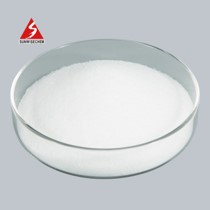



 (All Rights Reserved)
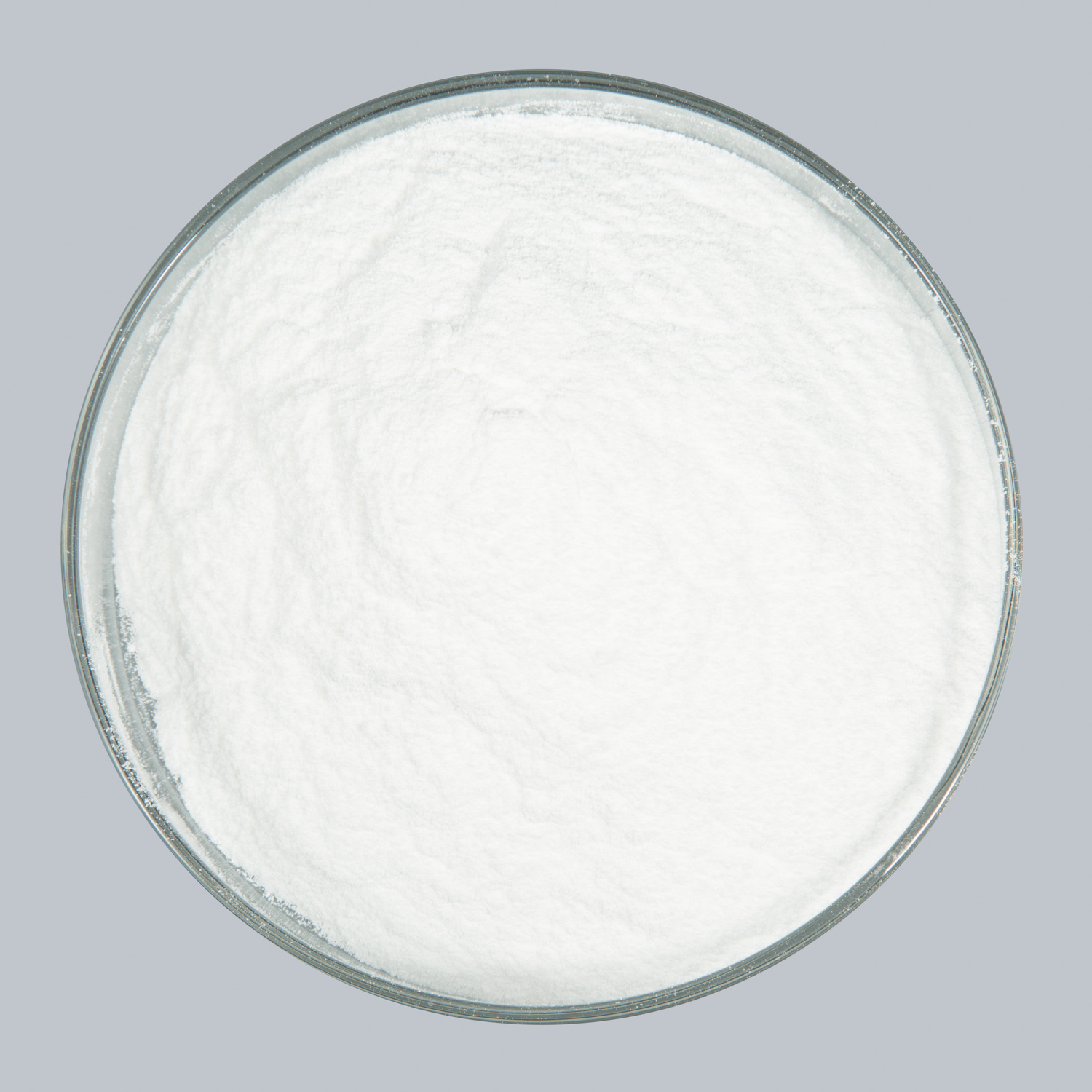
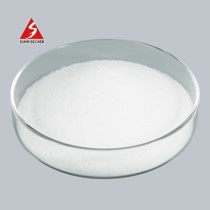
![8-Oxa-1,3-diazaspiro[4.5]decane-2,4-dione](https://eimg.pharmasources.com/image/product/20250403/60fa7223d5a34f24138486ceea0ffb15jpg)
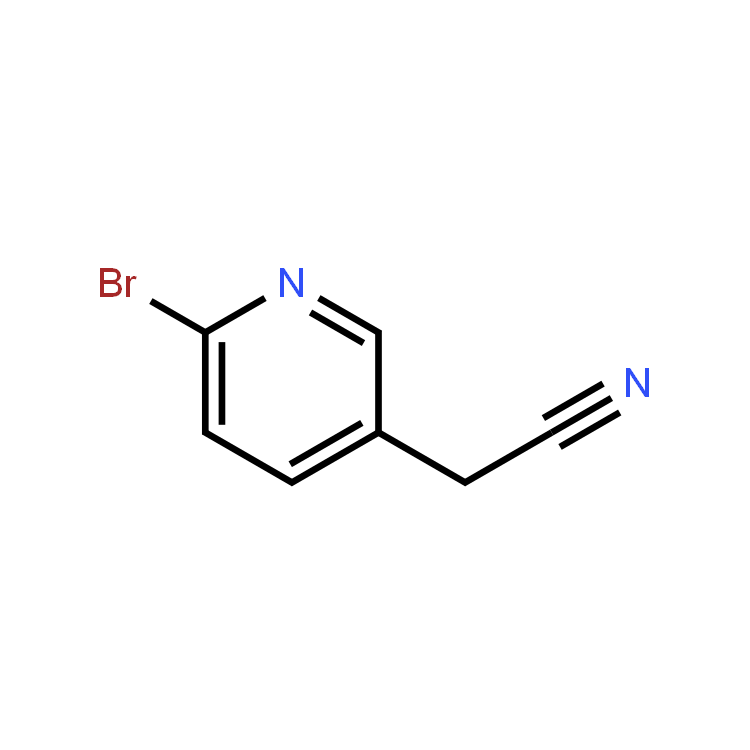
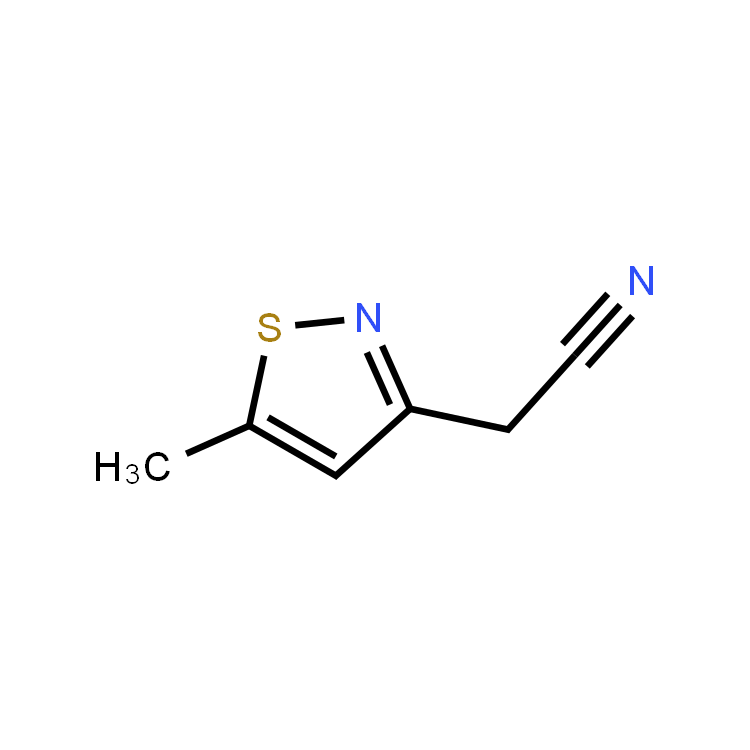
![6,8-Dioxo-5,7-diazaspiro[3.4]octane-2-carboxylic acid](https://eimg.pharmasources.com/image/product/20250403/02effeb5a7639bc84ff1f3add3c0c64fjpg)
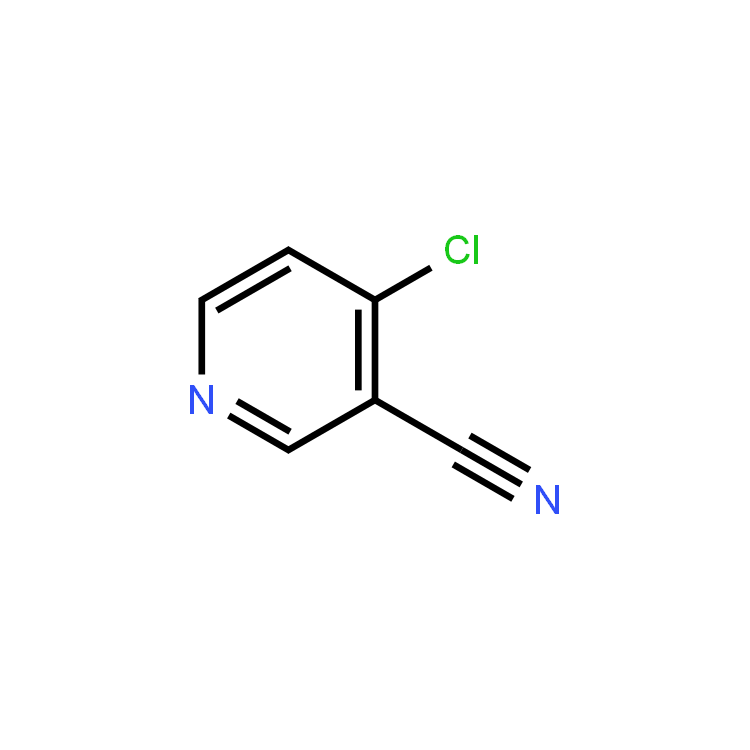
![8,16-Diazadispiro[6.1.6.2]heptadecan-17-one](https://eimg.pharmasources.com/image/product/20250403/ca91cba8b87e53fc879f8d8764873a40jpg)
