Product Description
Pharmaceutical
Raw Materials and Intermediates
AI Product Description
*The following content is generated by AI and is for reference only.
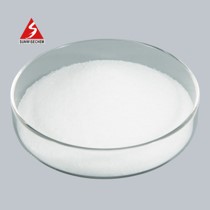
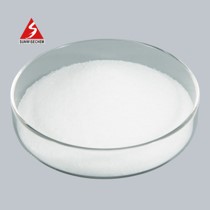
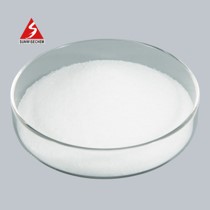
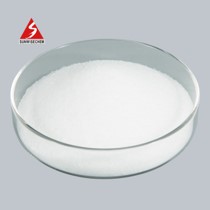
D-(-)-Prolinol, chemically known as (S)-2-pyrrolidinemethanol or D-prolinol, is a versatile chiral building block widely utilized in the fields of organic synthesis and pharmaceutical development. With the molecular formula C5H11NO and a CAS registry number of 26974-38-9, this compound serves as the reduced form of proline, featuring a secondary alcohol group attached to a pyrrolidine ring. Its specific stereochemistry, denoted by the "D-" prefix indicating the (S)-configuration, makes it an essential enantiomer for constructing complex molecular architectures with high optical purity.
The primary application of D-(-)-Prolinol lies in its role as a chiral ligand and auxiliary agent. It is frequently employed in asymmetric catalysis to induce stereoselectivity during chemical reactions, such as aldol condensations, Michael additions, and hydrogenation processes. By coordinating with metal centers, D-prolinol helps differentiate between prochiral faces of substrates, enabling the efficient synthesis of single-enantiomer drugs and agrochemicals where biological activity is strictly dependent on specific three-dimensional arrangements. Furthermore, it acts as a crucial precursor in the total synthesis of various natural products and bioactive alkaloids, including those with antiviral, antibacterial, or anti-inflammatory properties.
In industrial settings, D-(-)-Prolinol is valued for its stability and reactivity profile. It can be easily converted into other valuable derivatives, such as oxazolines or amides, which serve as intermediates in the production of advanced materials and fine chemicals. The compound is typically supplied as a colorless to pale yellow liquid or crystalline solid, depending on storage conditions, and must be handled under inert atmospheres to prevent oxidation. Due to its significance in modern medicinal chemistry, D-(-)-Prolinol remains a staple reagent for research laboratories and manufacturing facilities aiming to develop next-generation therapeutics with optimized efficacy and safety profiles. Its availability from major chemical suppliers ensures consistent quality for both academic inquiry and large-scale commercial production.
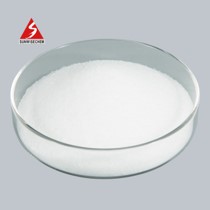



 (All Rights Reserved)
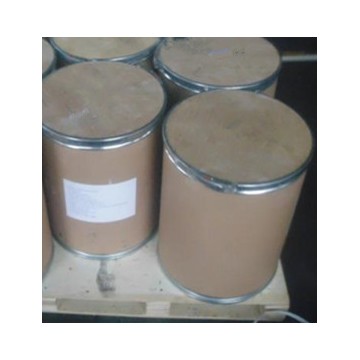
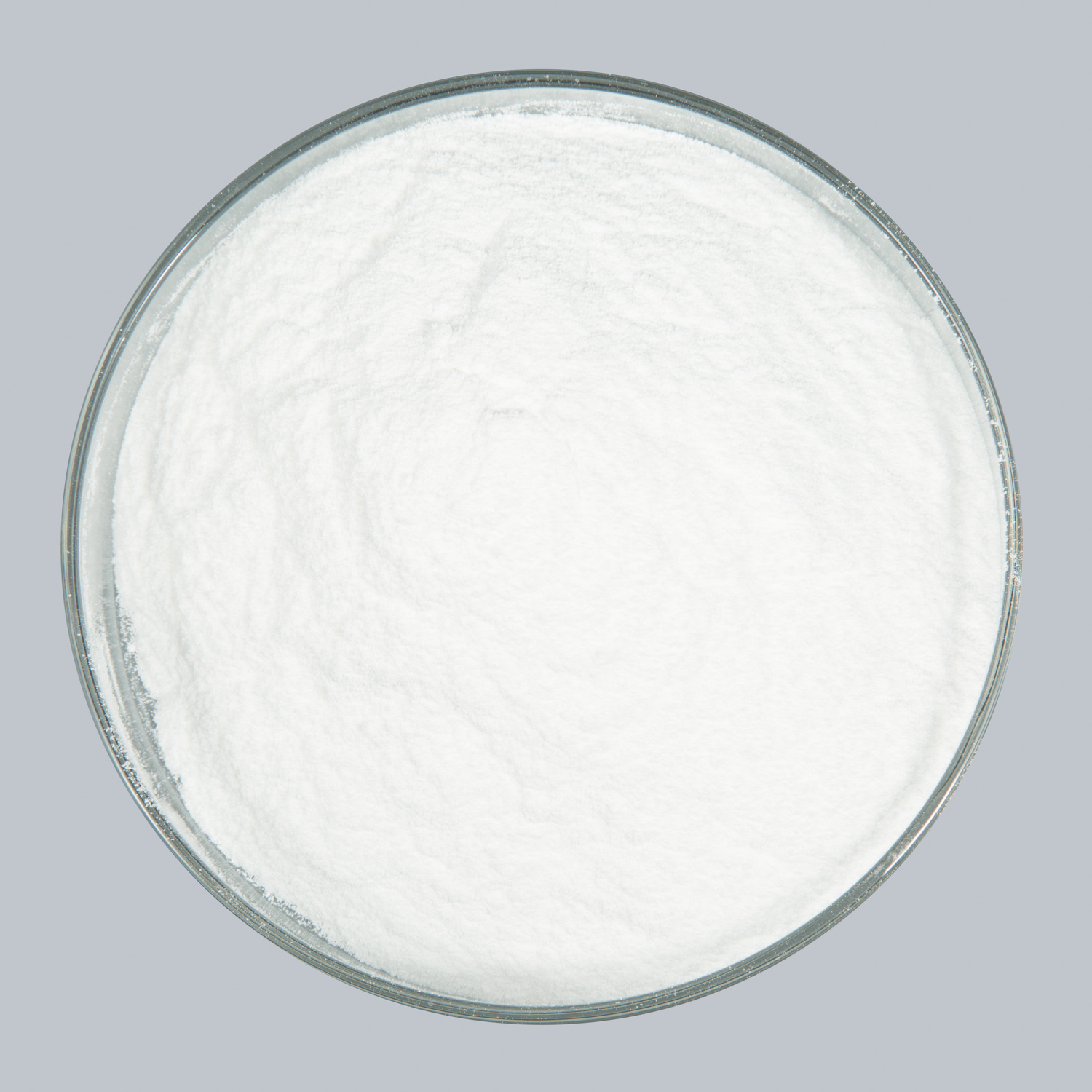
![6,8-Dioxo-5,7-diazaspiro[3.4]octane-2-carboxylic acid](https://eimg.pharmasources.com/image/product/20250403/02effeb5a7639bc84ff1f3add3c0c64fjpg)
![8-Oxa-1,3-diazaspiro[4.5]decane-2,4-dione](https://eimg.pharmasources.com/image/product/20250403/60fa7223d5a34f24138486ceea0ffb15jpg)
![8,16-Diazadispiro[6.1.6.2]heptadecan-17-one](https://eimg.pharmasources.com/image/product/20250403/ca91cba8b87e53fc879f8d8764873a40jpg)
