Products:Biotin
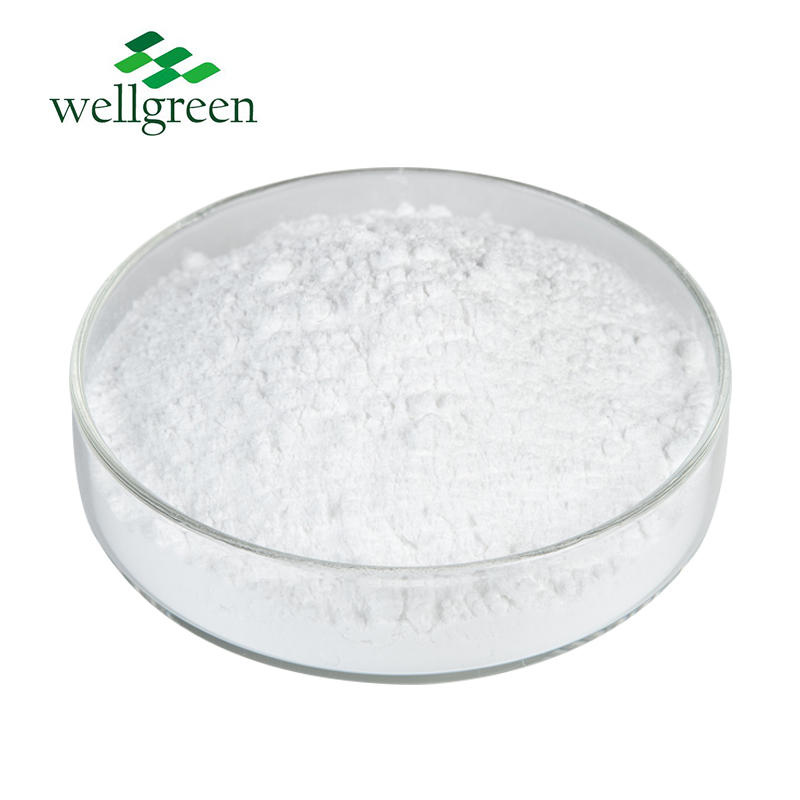
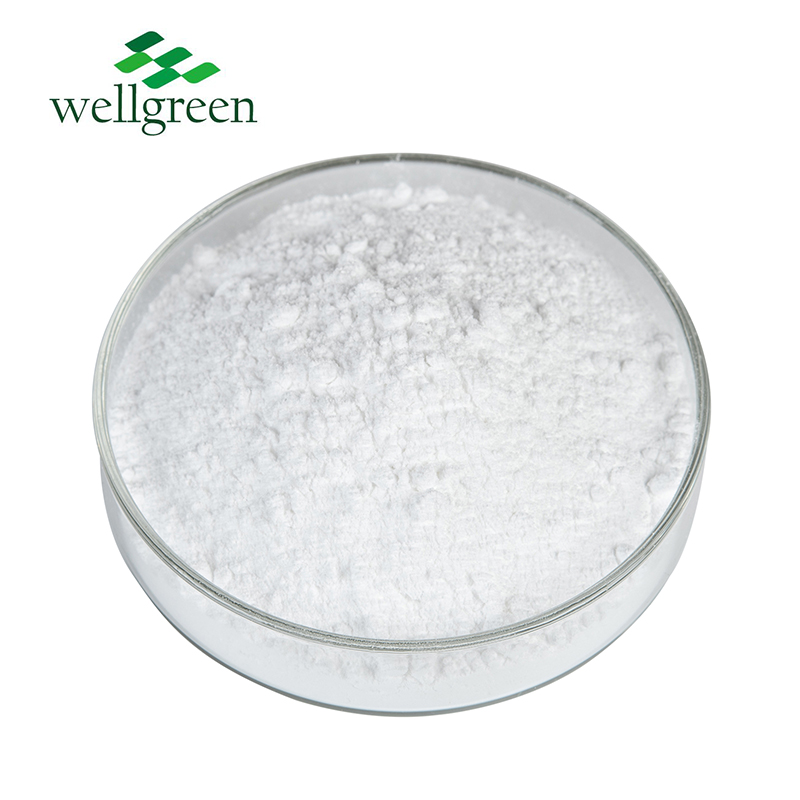
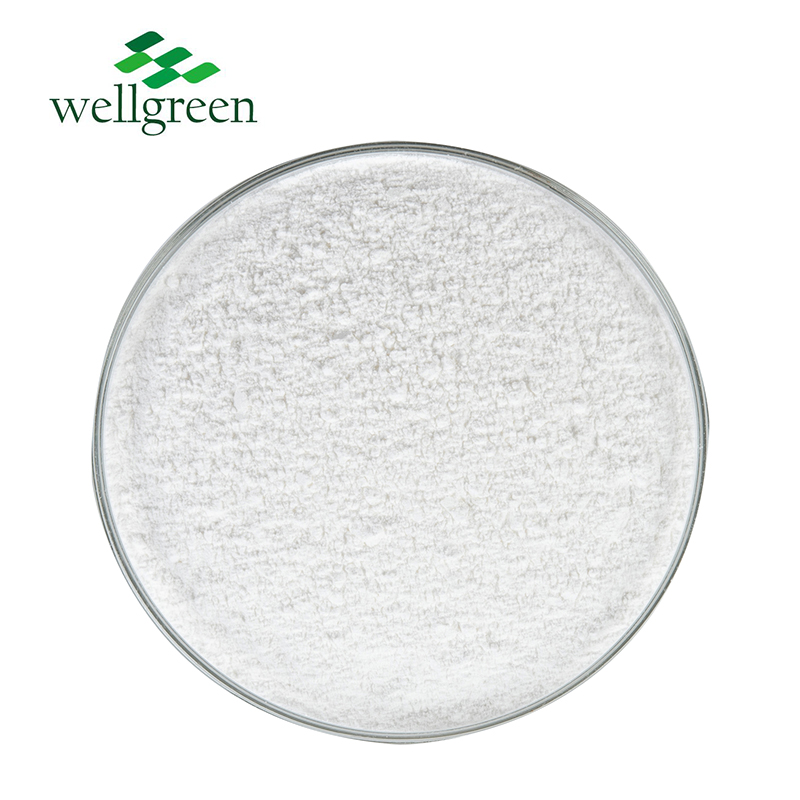
Appearence:White powder
Molecular Formula:C10H16N2O3S
Molecular Weight:244.31
Ref Standard:EP7.0&USP35
Application:Used in nutrition fortifier in nutraceutical,food and cosmetic products.
Packaging:Inside:1Kg/Alu-bag,20Kg/Drum.
Storage and Shelf Life:Store in cool & dry place, Keep away from strong light and heat, 24 months when properly stored.
*The following content is generated by AI and is for reference only.
D-Biotin, commonly known as Vitamin B7 or Vitamin H, is a water-soluble B-complex vitamin essential for human health and various metabolic processes. Its chemical identity is defined by the molecular formula C₁₀H₁₆N₂O₃S, with a precise molar mass of approximately 244.31 g/mol. The substance is uniquely identified by the CAS Registry Number 58-85-5, which distinguishes it from other biotin analogs in scientific and industrial databases. Structurally, D-biotin features a ureido ring fused to a tetrahydrothiophene ring, a configuration critical for its biological activity as a coenzyme.
In nature, biotin functions primarily as an enzymatic cofactor for carboxylase enzymes, facilitating vital metabolic reactions such as gluconeogenesis, fatty acid synthesis, and amino acid catabolism. It plays a pivotal role in converting food into energy and maintaining healthy skin, hair, and nails. Due to these physiological benefits, D-biotin is widely utilized in the pharmaceutical industry for treating biotin deficiency disorders and supporting dermatological health. It is also a key ingredient in dietary supplements, multivitamins, and nutritional fortification programs aimed at preventing deficiency symptoms like alopecia and neurological issues.
Beyond healthcare, the compound holds significant importance in the biotechnology sector. High-purity D-biotin is extensively used in affinity chromatography for protein purification, leveraging its exceptionally high binding affinity for avidin and streptavidin proteins. This property allows researchers to isolate specific biomolecules with remarkable efficiency. Furthermore, it serves as a precursor in the synthesis of complex pharmaceutical compounds and is incorporated into cosmetic formulations to promote hair growth and improve skin texture. As a natural nutrient found in foods like eggs, nuts, and whole grains, D-biotin remains indispensable for both clinical applications and industrial research, underscoring its status as a fundamental molecule in modern science and medicine.