Product Description
Pharmaceutical
Raw Materials and Intermediates
AI Product Description
*The following content is generated by AI and is for reference only.
D-(+)-Malic acid diethyl ester is a valuable chiral building block widely utilized in organic synthesis and pharmaceutical research. Its molecular formula is C8H14O5, reflecting the esterification of both carboxylic acid groups of natural malic acid with ethanol. The compound carries the CAS number 603-72-9 and is characterized by its specific optical rotation, denoted as D-(+) configuration, which ensures high enantiomeric purity essential for asymmetric synthesis. This optically active diester serves as a crucial intermediate for preparing various bioactive molecules, including amino acids, nucleosides, and complex heterocyclic compounds.
In the pharmaceutical industry, this reagent is frequently employed to construct stereogenic centers during drug development. Its chiral nature allows chemists to synthesize target molecules with precise three-dimensional arrangements, a critical factor in ensuring biological efficacy and safety. Furthermore, it acts as a versatile precursor in the production of flavoring agents and fragrances, where its structural integrity contributes to desired sensory profiles. The compound is also instrumental in polymer chemistry, serving as a monomer for biodegradable polyesters that offer sustainable alternatives to traditional petrochemical plastics.
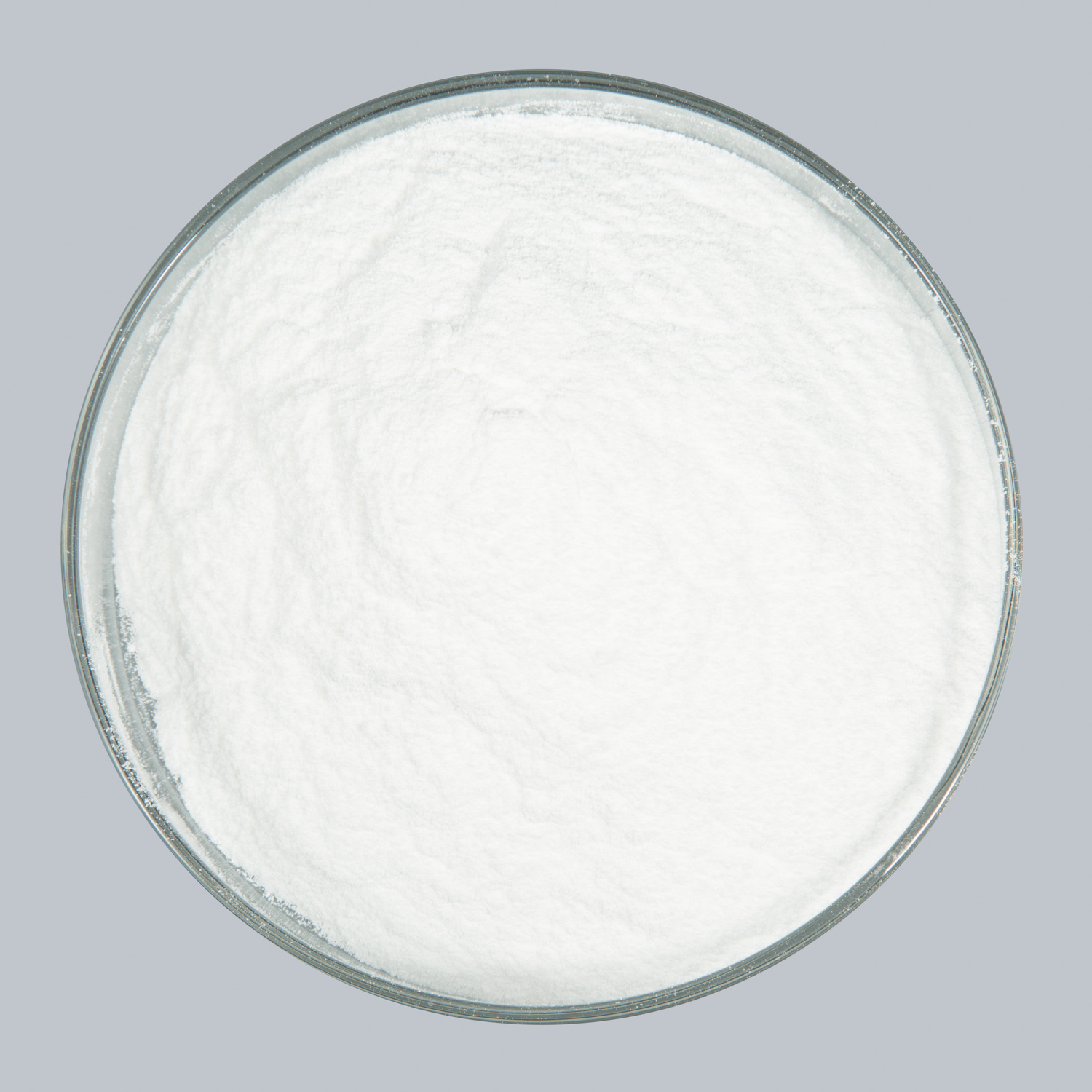
Physically, D-(+)-malic acid diethyl ester typically appears as a colorless to pale yellow liquid with a mild fruity odor. It exhibits good solubility in common organic solvents such as ethanol, ether, and dichloromethane, while remaining relatively insoluble in water. These physical properties facilitate its handling and purification through standard laboratory techniques like distillation or chromatography. Safety protocols indicate that while generally stable under normal conditions, it should be handled with care to avoid contact with strong oxidizing agents or bases, which could lead to hydrolysis or decomposition. Storage recommendations involve keeping the material in a cool, dry place away from direct sunlight to maintain its optical activity and chemical stability over time. Overall, this compound represents an indispensable tool for researchers aiming to advance synthetic methodologies and develop novel therapeutic agents with defined stereochemistry.





 (All Rights Reserved)
![8-Oxa-1,3-diazaspiro[4.5]decane-2,4-dione](https://eimg.pharmasources.com/image/product/20250403/60fa7223d5a34f24138486ceea0ffb15jpg)
![6,8-Dioxo-5,7-diazaspiro[3.4]octane-2-carboxylic acid](https://eimg.pharmasources.com/image/product/20250403/02effeb5a7639bc84ff1f3add3c0c64fjpg)
![8,16-Diazadispiro[6.1.6.2]heptadecan-17-one](https://eimg.pharmasources.com/image/product/20250403/ca91cba8b87e53fc879f8d8764873a40jpg)