Product Description
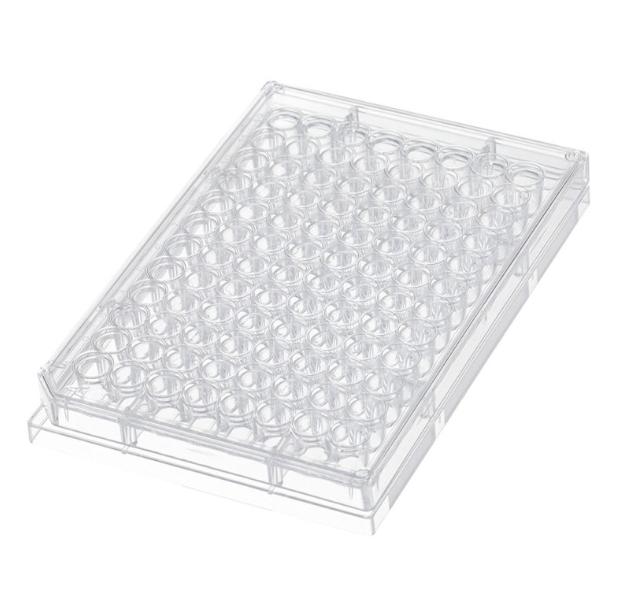
Cell culture plates are indispensable cell culture consumables for cell culture, cell transfection,
immunoflfluorescence, clone formation and other experiments. Cell culture plates are available
in 6-well to 96-well formats with TC-treated or untreated surfaces.They are PS materials.
AI Product Description
*The following content is generated by AI and is for reference only.
The 6-well cell culture plate is a fundamental tool in biological research, designed to facilitate the growth and maintenance of adherent cells in vitro. Constructed with a multi-well format, this specific configuration offers an optimal balance between surface area and reagent consumption, making it ideal for experiments requiring moderate sample sizes or high-throughput screening where individual well analysis is necessary. The surface is typically treated to ensure enhanced cell attachment and spreading, mimicking the natural extracellular matrix environment to support robust proliferation of various cell lines, including primary cultures and stem cells.
These plates are widely utilized across diverse applications such as transfection assays, protein expression studies, cytotoxicity testing, and drug discovery pipelines. The six large wells allow researchers to perform parallel experiments under different conditions while maintaining consistent environmental parameters within a single incubator. Each well provides sufficient volume for media exchange and harvesting, reducing the risk of cross-contamination compared to smaller formats like 24-well plates.
Strict aseptic techniques must be employed during all handling procedures to prevent microbial contamination, which can compromise experimental integrity. Prior to use, the sterile packaging should be inspected for any breaches, and the plate must be handled only within a laminar flow hood. It is crucial to avoid touching the inner surfaces of the wells with gloves or tools to maintain sterility. Additionally, users should adhere to recommended incubation temperatures and CO2 levels specific to their cell type. When disposing of used plates, they must be decontaminated according to local biosafety regulations before disposal. Proper storage in a cool, dry place away from direct sunlight preserves the physical properties of the polystyrene material and ensures long-term reliability for future experiments.





 (All Rights Reserved)