Product Description
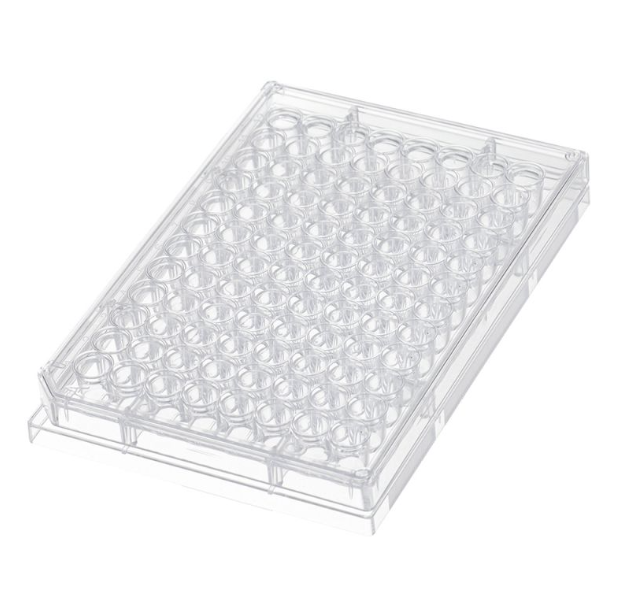
Cell culture plates are indispensable cell culture consumables for cell culture, cell transfection,
immunoflfluorescence, clone formation and other experiments. Cell culture plates are available
in 6-well to 96-well formats with TC-treated or untreated surfaces.They are PS materials.
AI Product Description
*The following content is generated by AI and is for reference only.
The 48-well tissue culture plate is a fundamental tool in biological research, designed to facilitate cell growth, proliferation, and experimentation under controlled conditions. These plates feature wells treated with specialized coatings, typically poly-L-lysine or collagen, which enhance cell adhesion and spreading. This surface modification is crucial for anchorage-dependent cells that require a solid substrate to attach and thrive, making them ideal for applications such as primary cell isolation, stem cell differentiation studies, and drug toxicity screening. The 48-well format offers a strategic balance between the high throughput of 96-well plates and the large sample volume capacity of 24-well or 6-well formats. This intermediate size allows researchers to work with sufficient media volumes for biochemical assays while maintaining cost-effectiveness when processing multiple samples simultaneously.
Sterility is paramount in all tissue culture procedures to prevent microbial contamination, which can compromise experimental integrity and cell viability. Consequently, these plates are supplied in individually wrapped, sterile packaging and must be handled within a laminar flow hood using aseptic techniques. Before use, users should inspect the wells for any physical defects or residues. It is recommended to pre-warm the culture medium to physiological temperature (37°C) and equilibrate it to the correct pH before adding it to the wells. Furthermore, the plates should not be exposed to direct sunlight or extreme temperatures during storage, as this may degrade the surface treatment properties. When disposing of used plates, they must be decontaminated according to institutional biosafety guidelines before being discarded as biohazardous waste. Proper handling ensures consistent cell behavior and reliable data generation across diverse experimental setups in fields ranging from oncology to immunology.





 (All Rights Reserved)