Product Description
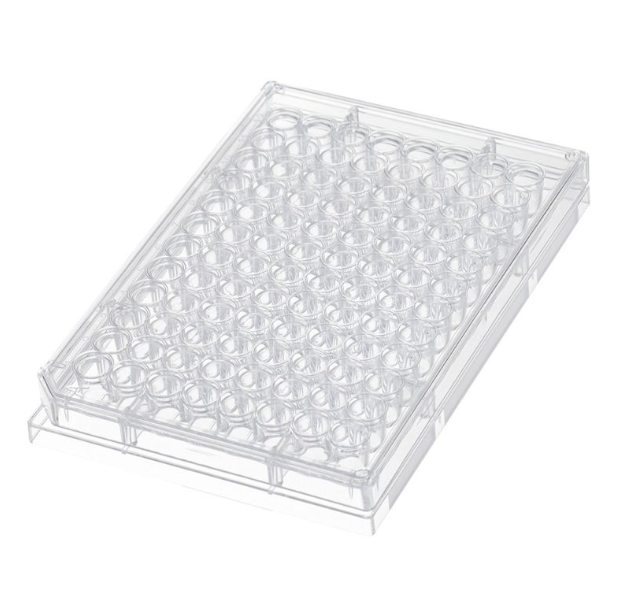
Cell culture plates are indispensable cell culture consumables for cell culture, cell transfection,
immunoflfluorescence, clone formation and other experiments. Cell culture plates are available
in 6-well to 96-well formats with TC-treated or untreated surfaces.They are PS materials.
AI Product Description
*The following content is generated by AI and is for reference only.
The 24-well tissue culture-treated plate is a fundamental tool in modern biological research, designed specifically for cell culture applications requiring high-throughput experimentation with minimal reagent consumption. These plates feature wells arranged in a standard grid format, offering an optimal balance between sample capacity and surface area per well. The "TC Treated" designation indicates that the polystyrene surface has undergone plasma or chemical treatment to render it hydrophilic, thereby enhancing cell adhesion and promoting robust growth for adherent cell lines. This surface modification is critical for mimicking physiological conditions, ensuring cells attach firmly and spread effectively compared to untreated plastic surfaces.
Typically utilized in drug screening, toxicity assays, protein expression studies, and stem cell differentiation protocols, these plates allow researchers to conduct multiple parallel experiments under identical environmental conditions. The reduced volume required per well compared to larger formats like 6-well plates conserves expensive media and reagents while maintaining sufficient space for observation and sampling. The transparent nature of the base facilitates easy microscopic examination without disturbing the culture environment. Furthermore, the flat bottom design ensures uniform focus during imaging, which is essential for quantitative analysis.
When handling these sterile plates, strict aseptic techniques must be maintained to prevent microbial contamination, which can compromise experimental results. Users should avoid touching the inner surfaces of the wells or the rims with bare hands to minimize the introduction of contaminants or oils. It is advisable to pre-warm culture media to room temperature before adding it to the wells to prevent thermal shock to sensitive cells. Additionally, plates should be stored in their original packaging at room temperature in a dry environment until use; once opened, they should be used immediately or sealed properly if temporary storage is necessary. Proper disposal is also crucial, as all materials contacting biological samples must be treated as biohazardous waste according to institutional safety guidelines.





 (All Rights Reserved)