Product Description
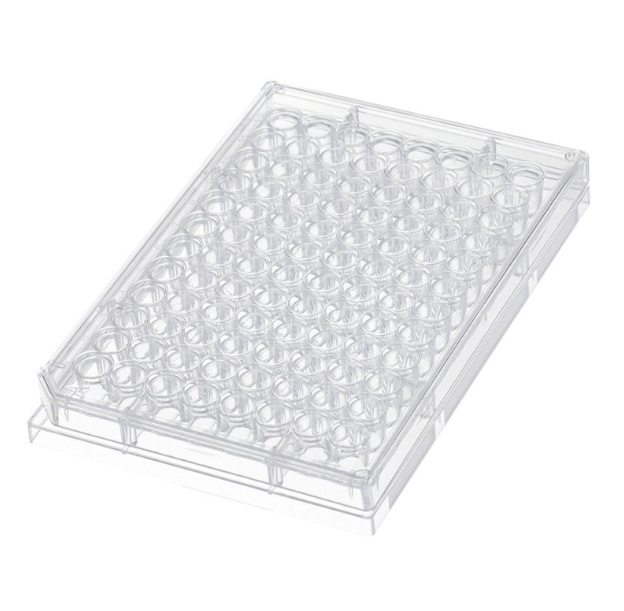
Cell culture plates are indispensable cell culture consumables for cell culture, cell transfection,
immunoflfluorescence, clone formation and other experiments. Cell culture plates are available
in 6-well to 96-well formats with TC-treated or untreated surfaces.They are PS materials.
AI Product Description
*The following content is generated by AI and is for reference only.
The 12-well tissue culture treated plate is a fundamental tool in modern biological and medical research, designed specifically for cell culture applications requiring moderate sample volumes with high surface area-to-volume ratios. These plates feature a multi-well format that allows researchers to conduct parallel experiments, such as drug screening, toxicity assays, or gene expression studies, while minimizing reagent consumption compared to larger flasks. The critical distinguishing characteristic of this product is its surface treatment. Unlike standard polystyrene, the wells undergo a specialized plasma or chemical modification process known as "tissue culture treatment." This creates a hydrophilic surface with a negative charge, which significantly enhances cell adhesion, spreading, and proliferation. Without this treatment, many anchorage-dependent mammalian cells would fail to attach and grow properly, leading to experimental failure.
These plates are universally supplied sterile, typically achieved through gamma irradiation, ensuring they are free from microbial contamination right out of the box. This sterility is vital for maintaining aseptic conditions and preventing cross-contamination between samples. When handling these plates, strict adherence to laboratory safety protocols is essential. Users must work within a laminar flow hood to maintain a sterile environment during media changes or cell seeding. Additionally, because the plastic is thin and flexible, mechanical stress should be minimized to prevent well deformation or cracking. It is also crucial to avoid using organic solvents that could degrade the polystyrene or strip the surface coating. Proper storage in a cool, dry place away from direct sunlight preserves the integrity of the sterile barrier and surface properties. Before use, always inspect the wells for any visible defects or condensation. By following these guidelines, researchers can ensure reliable, reproducible data generation across diverse fields including immunology, oncology, and stem cell biology, making this versatile vessel an indispensable component of any cell biology laboratory.





 (All Rights Reserved)