Product Description
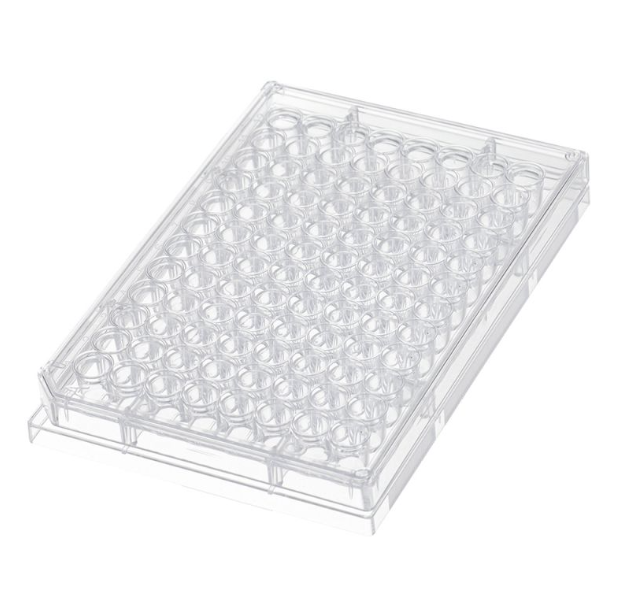
Cell culture plates are indispensable cell culture consumables for cell culture, cell transfection,
immunoflfluorescence, clone formation and other experiments. Cell culture plates are available
in 6-well to 96-well formats with TC-treated or untreated surfaces.They are PS materials.
AI Product Description
*The following content is generated by AI and is for reference only.
The 96-well sterile bacterial culture agar plate is a specialized laboratory consumable designed to streamline microbiological workflows by enabling high-throughput screening and analysis. Unlike standard single-well plates, this format allows researchers to conduct multiple parallel experiments simultaneously within a compact footprint, significantly conserving reagents, space, and time. The product typically features a pre-poured, solidified nutrient medium optimized for the growth of diverse bacterial strains, making it ideal for applications such as antimicrobial susceptibility testing, colony counting, mutant screening, and rapid identification protocols.
Constructed from medical-grade polystyrene, these plates are rigorously sterilized using gamma irradiation or ethylene oxide to ensure they remain free from contaminants before use. The uniform well geometry promotes consistent liquid distribution and agar thickness, which is critical for obtaining reproducible results in quantitative assays. Furthermore, the transparent material facilitates easy visual inspection of bacterial growth patterns without disturbing the sample.
When handling these plates, strict aseptic techniques must be employed to maintain sterility. Users should inspect the packaging integrity prior to opening; any breach renders the contents unusable. Once opened, the lid should be lifted only partially to minimize airborne contamination risks. It is essential to incubate the plates upside down (lid down) to prevent condensation droplets from forming on the agar surface, which could cause bacterial colonies to merge and compromise data accuracy. Storage conditions are also vital; unused plates should be kept at refrigerated temperatures, typically between 2°C and 8°C, and used within their specified shelf life to ensure optimal microbial growth performance. Proper disposal of used plates requires autoclaving to eliminate biological hazards before waste removal. This versatile tool remains a cornerstone in modern microbiology, enhancing efficiency in both academic research and industrial quality control environments.





 (All Rights Reserved)