Product Description
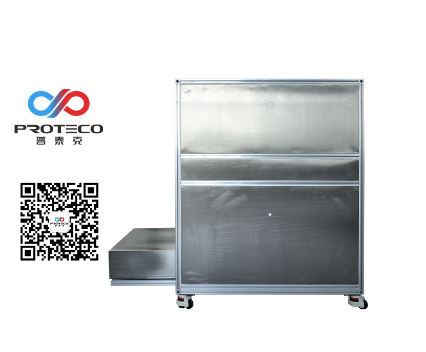
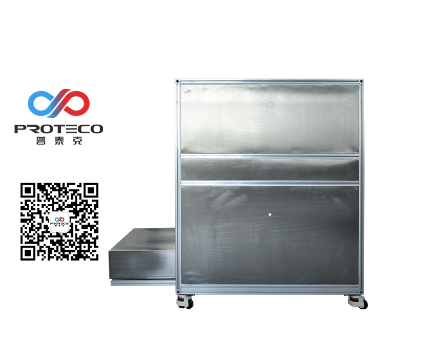
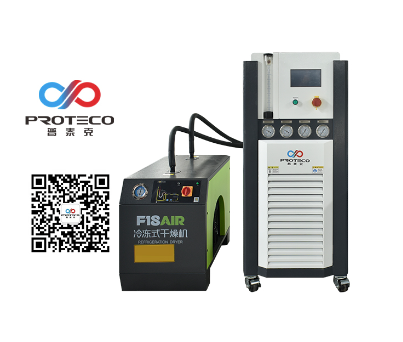
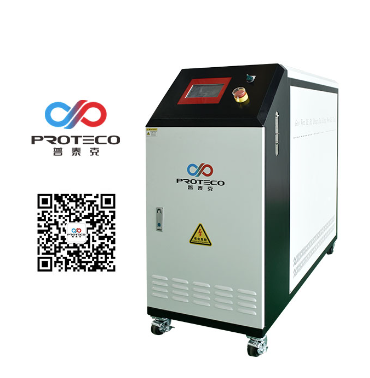
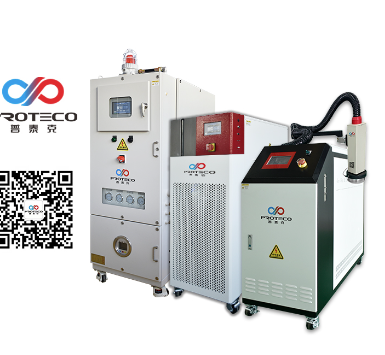
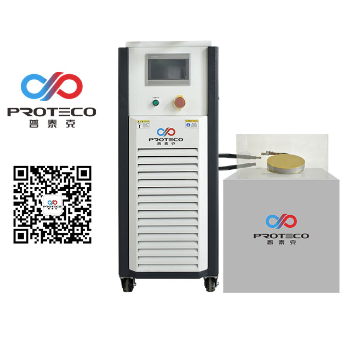
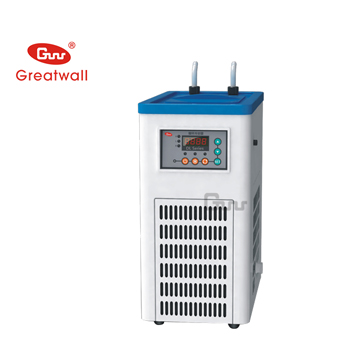
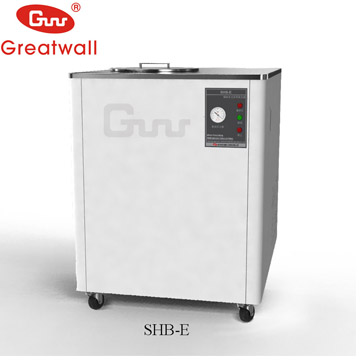
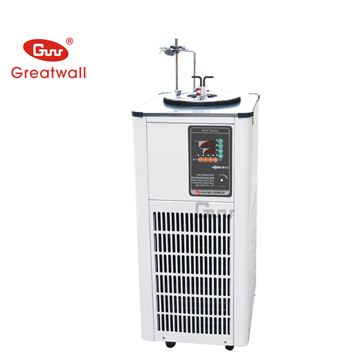
It is mainly composed of heating circulation system, cooling system, control system and box body. The heating circulating system consists of circulating pump, electric heater, expansion vessel, exhaust valve, one-way valve, thermal resistance, circulating pipeline, etc. The cooling system consists of oil-water heat exchanger, oil-oil heat exchanger (part of equipment), cooling water solenoid valve, high temperature solenoid valve, etc.
AI Product Description
*The following content is generated by AI and is for reference only.
The product in question is a high-precision cryogenic cooling system designed for applications requiring extreme temperature stability, typically ranging from liquid nitrogen temperatures up to ambient conditions. Widely utilized in scientific research, semiconductor manufacturing, and advanced medical imaging, these systems serve as the backbone for superconducting magnet operation, quantum computing experiments, and low-noise detector environments. Their primary function involves maintaining ultra-low thermal states with exceptional accuracy, ensuring that sensitive instruments operate without thermal drift or noise interference.
In laboratory settings, these units facilitate the study of material properties at near-absolute zero, enabling breakthroughs in condensed matter physics and superconductivity. In industrial contexts, they are critical for testing electronic components under rigorous thermal stress, verifying reliability before mass production. The design often incorporates multi-stage refrigeration cycles, vacuum insulation, and automated control interfaces to manage complex thermal loads efficiently. Users benefit from rapid cooldown times and stable hold capabilities, which are essential for long-duration experiments where manual intervention must be minimized.
Safety and operational precautions are paramount when handling such equipment. Operators must strictly adhere to protocols regarding cryogen handling to prevent frostbite or asphyxiation risks associated with gas venting. Proper ventilation is mandatory to avoid oxygen displacement in confined spaces. Additionally, regular inspection of vacuum seals and pressure relief valves is crucial to prevent catastrophic failures due to over-pressurization. Electrical safety measures must also be observed, as high-voltage components often accompany these systems. Maintenance should only be performed by trained personnel following manufacturer guidelines, ensuring that all moving parts and sensors remain calibrated. Improper usage can lead to permanent damage to both the unit and connected experimental apparatus. By integrating robust safety features with intuitive controls, these systems provide reliable performance while minimizing human error. Continuous monitoring of temperature gradients and system pressures ensures optimal efficiency, making them indispensable tools in modern high-tech industries where precision and stability define success.





 (All Rights Reserved)