Product Description
Store in mechanical freezers or liquid nitrogen
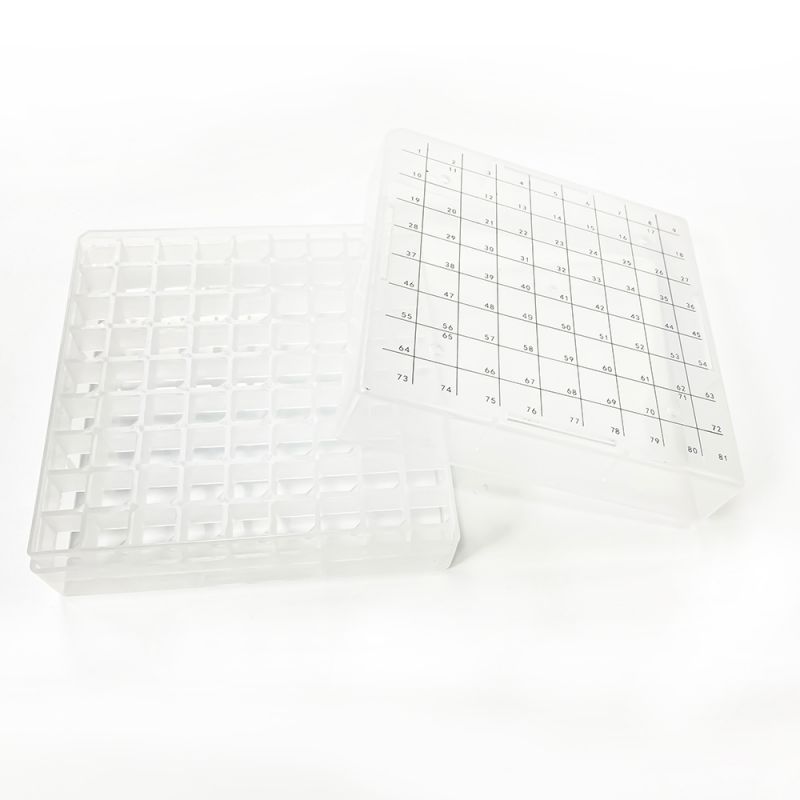
Boxes are vented, allowing rapid cooling of contents and full drainage
Made of tough polycarbonate for use with temperatures from -196°C to 121°C
Chemically resistant to alcohols and mild organic solvents
Transparent lids for PC boxes have a numbered grid for quick sample identification
AI Product Description
*The following content is generated by AI and is for reference only.
The Cryogenic Tube Rack with a 25-well configuration is an essential accessory designed for the secure storage, organization, and handling of laboratory samples in ultra-low temperature environments. Typically fabricated from high-grade polypropylene (PP), this rack offers exceptional chemical resistance and mechanical durability, ensuring it remains stable even when exposed to liquid nitrogen or temperatures as low as -196°C without becoming brittle or cracking. The primary function of this device is to maintain sample integrity during long-term cryostorage in freezers or vapor phase dewars while preventing cross-contamination between different specimens.
Each well is precisely engineered to accommodate standard 2 mL or 5 mL cryovials, providing a snug fit that minimizes the risk of tubes tipping over or falling out during transport. The open-grid design facilitates rapid airflow, allowing for uniform cooling and thawing processes, which is critical for preserving the viability of sensitive biological materials such as cell lines, DNA, RNA, plasma, and tissue samples. Furthermore, the smooth surface finish allows for easy cleaning and sterilization, adhering to strict laboratory hygiene protocols.
When utilizing this rack, several precautions must be observed to ensure safety and data reliability. First, always verify that the rack is compatible with your specific freezer or dewar system to avoid thermal shock or physical damage. Avoid subjecting the polypropylene material to sudden temperature fluctuations without gradual acclimatization, as extreme thermal stress can compromise structural integrity. Additionally, do not overfill the wells or force incompatible tube sizes into the slots, as this may deform the rack or damage the vials. It is also recommended to label tubes clearly before placement, as the rack itself does not provide inherent identification features. Finally, handle the rack with care using appropriate personal protective equipment when retrieving samples from cryogenic conditions to prevent frostbite injuries. By following these guidelines, researchers can maximize the lifespan of their samples and maintain a safe, efficient laboratory workflow.





 (All Rights Reserved)