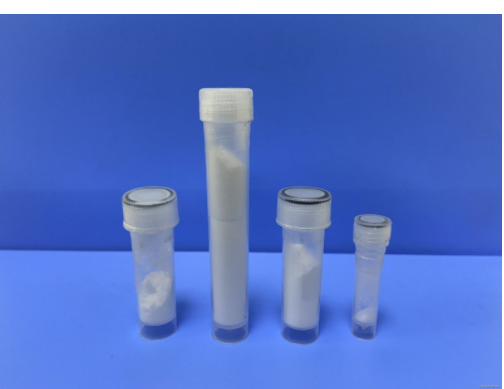
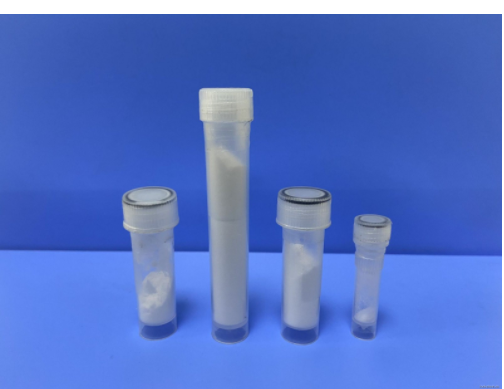
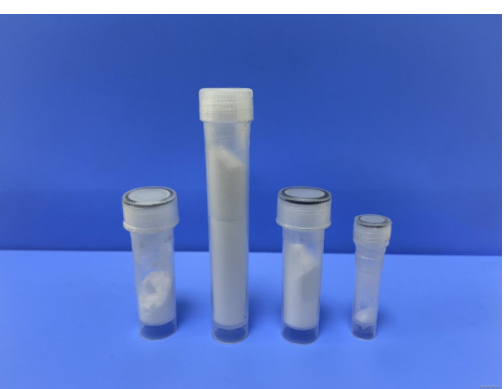
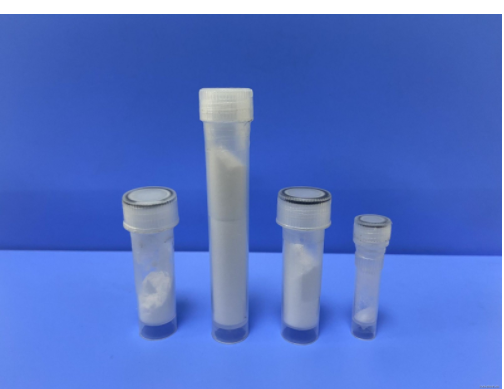
Product Description
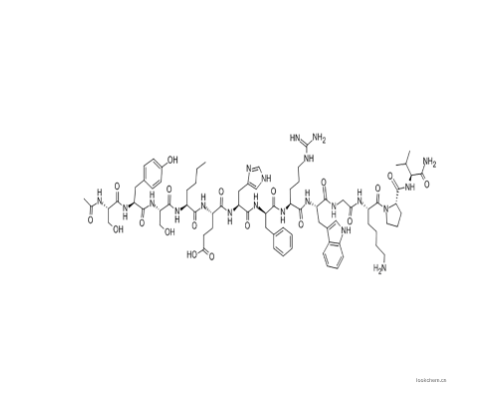
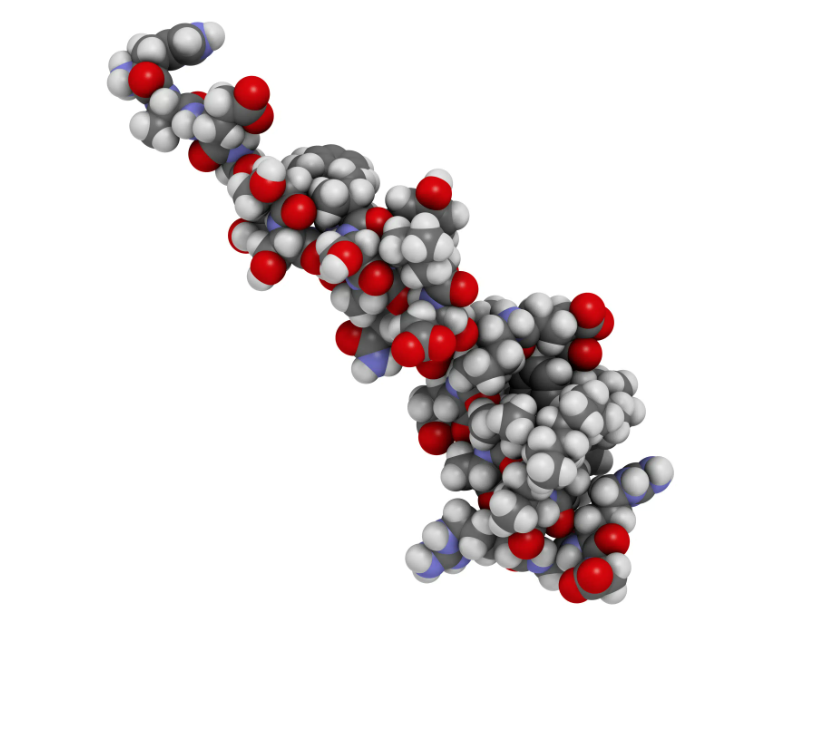
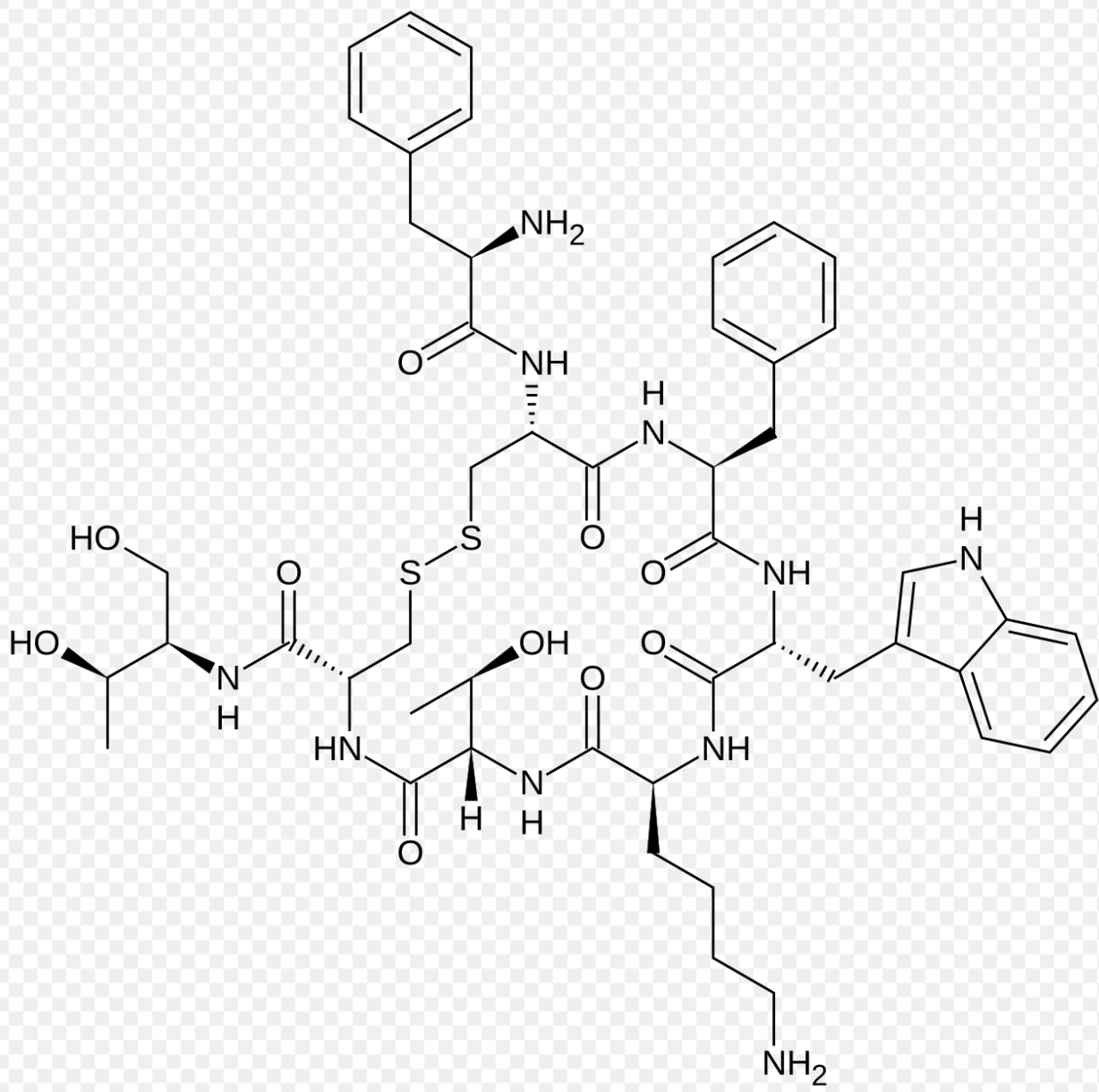
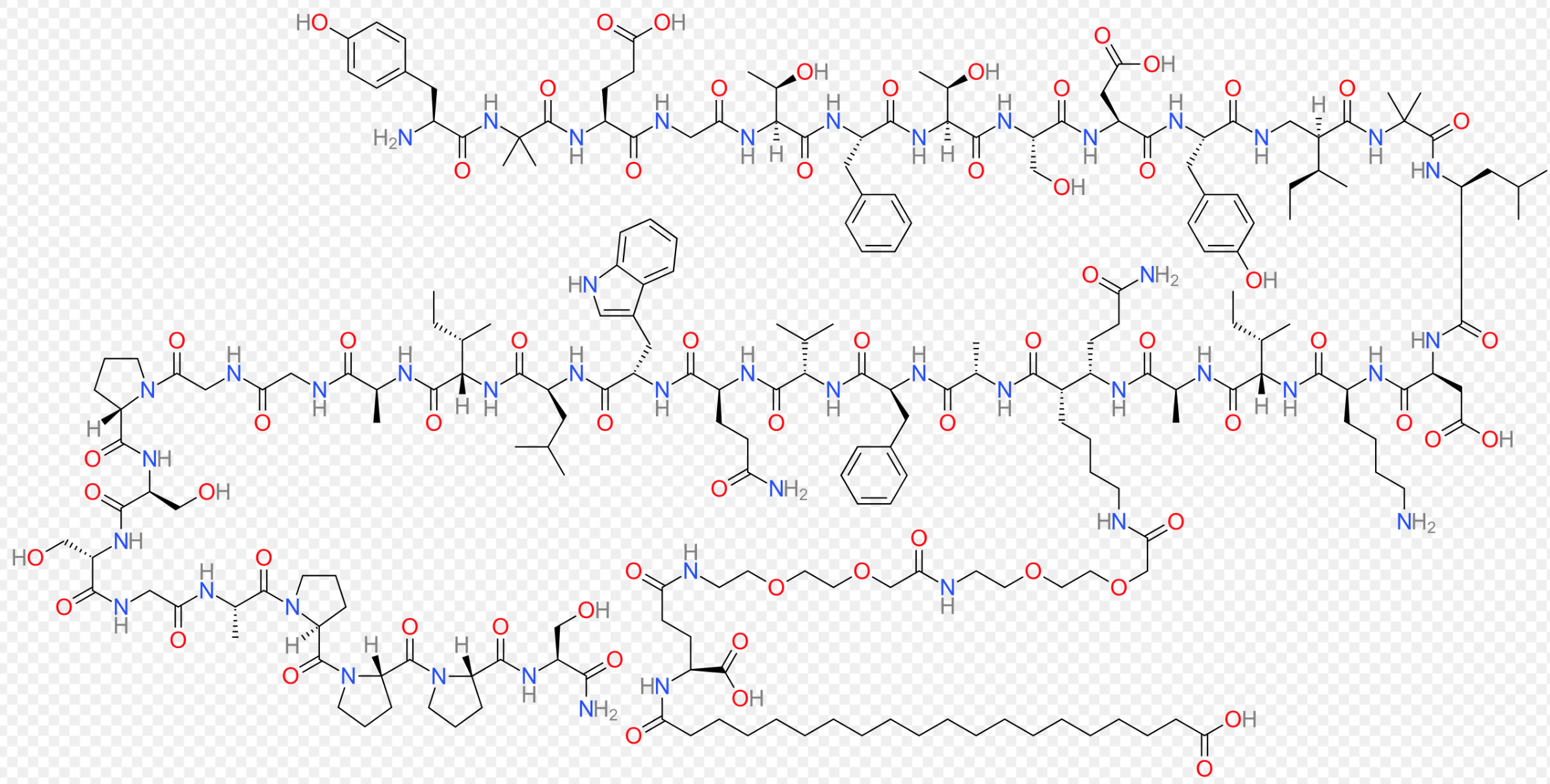
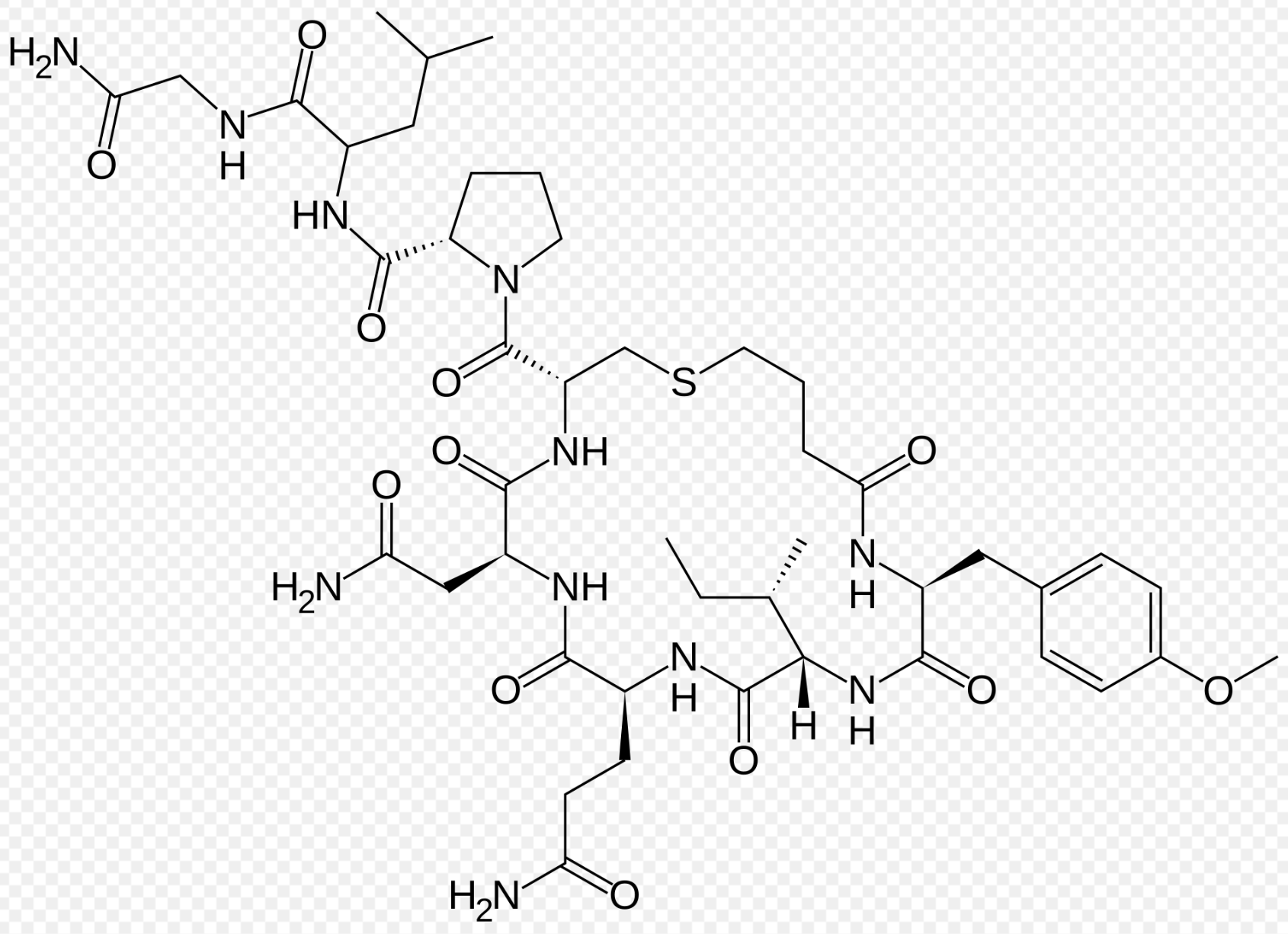
Cortistatin-29 (rat) is a new neuroendocrine peptide of the somatostatin family, which plays a role in regulating neuroendocrine function, inducing immune tolerance and inhibiting the inflammatory response of organisms. Cortistatin-29 (rat) is a peptide with a cyclic peptide structure and has long-term physiological activity.
AI Product Description
*The following content is generated by AI and is for reference only.
Cortistatin-29 (rat) trifluoroacetate salt is a potent, naturally occurring neurosteroid derivative originally isolated from the rat brain. This compound functions as a highly selective antagonist of the mineralocorticoid receptor (MR), exhibiting significantly higher affinity and selectivity compared to its precursor, corticosterone. The specific chemical entity referenced here corresponds to the 29-amino acid peptide sequence derived from the rat species, formulated as a trifluoroacetate (TFA) salt to ensure stability and solubility for laboratory applications. While the parent molecule is often discussed in the context of steroidogenesis, Cortistatin-29 represents a distinct class of bioactive peptides that modulate stress responses and inflammatory pathways through precise receptor interaction.
The primary utility of Cortistatin-29 lies in biomedical research focused on neuroendocrinology, inflammation, and oncology. Its exceptional ability to inhibit MR signaling makes it an invaluable tool for investigating the pathophysiology of hypertension, cardiac remodeling, and renal fibrosis. Unlike glucocorticoids, which trigger broad anti-inflammatory effects alongside metabolic side effects, Cortistatin-29 offers a targeted approach to studying MR-mediated gene expression without activating the glucocorticoid receptor. Consequently, researchers utilize this reagent to dissect the molecular mechanisms underlying chronic stress, post-traumatic stress disorder (PTSD), and various autoimmune conditions where mineralocorticoid dysregulation plays a critical role. Furthermore, emerging studies suggest potential therapeutic applications in cancer biology, particularly regarding tumor growth suppression in hormone-sensitive malignancies.
In experimental settings, the trifluoroacetate salt form is preferred due to its enhanced aqueous solubility, facilitating accurate dosing in cell culture assays and in vivo animal models. Researchers typically employ high-performance liquid chromatography (HPLC) purified batches to ensure biological activity and purity standards exceeding ninety-five percent. By providing a clean, specific inhibitor of the mineralocorticoid pathway, Cortistatin-29 enables scientists to validate drug targets and develop novel therapeutics aimed at mitigating tissue damage caused by excessive aldosterone or cortisol activity. As a specialized research reagent, it remains indispensable for advancing our understanding of steroid hormone physiology and developing precision medicine strategies for cardiovascular and neurological disorders.





 (All Rights Reserved)