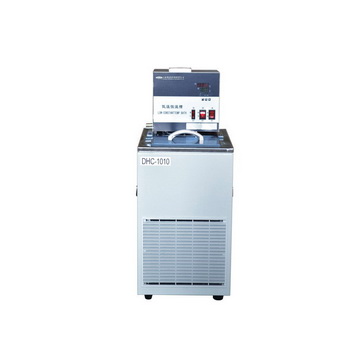
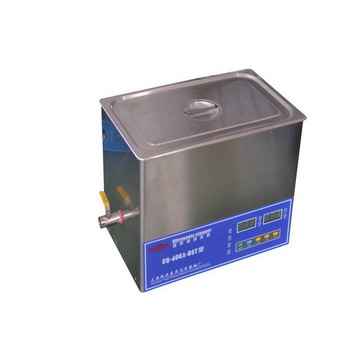
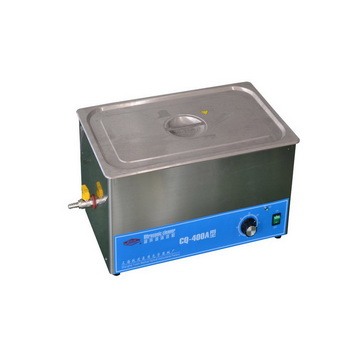
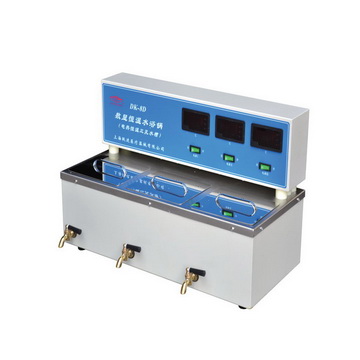
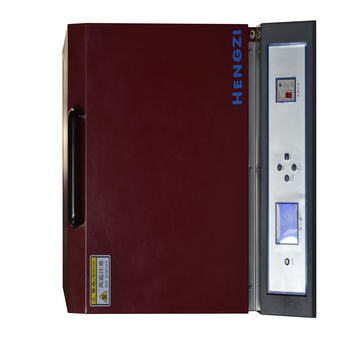
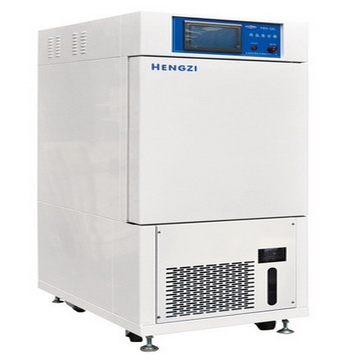
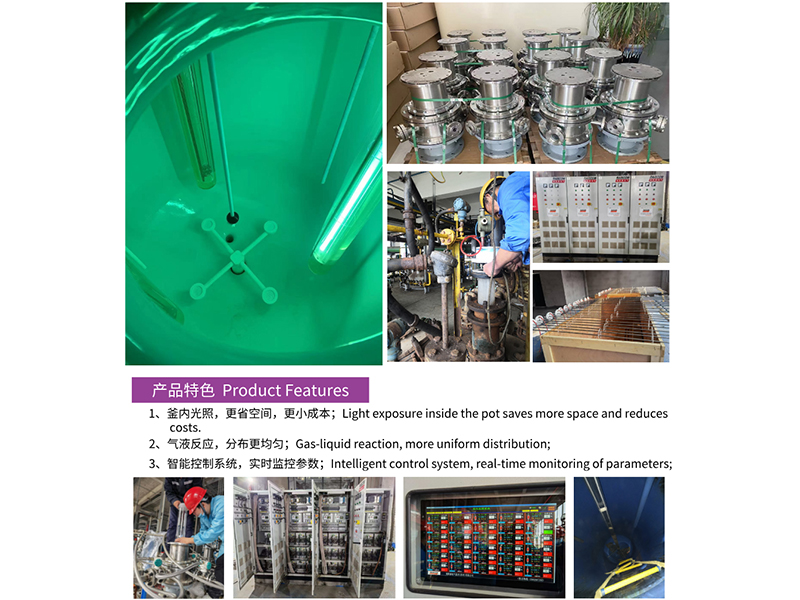
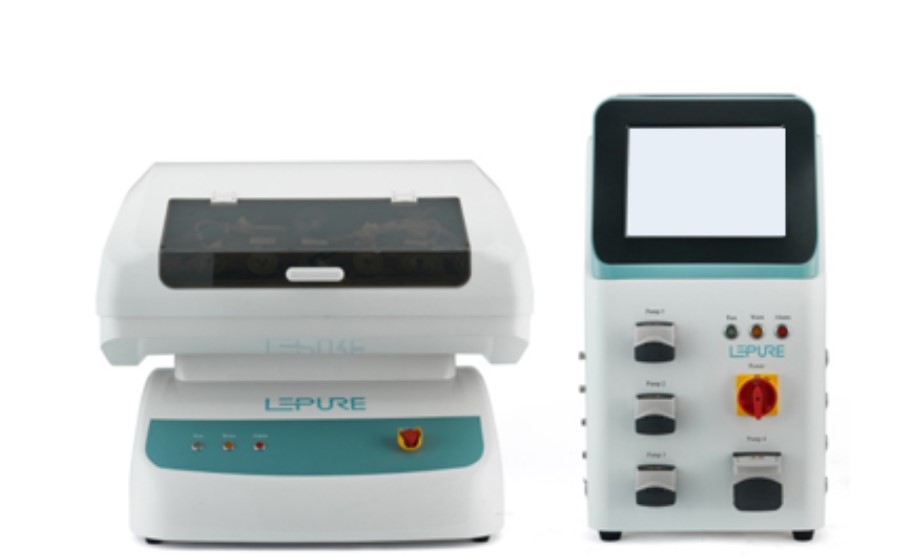
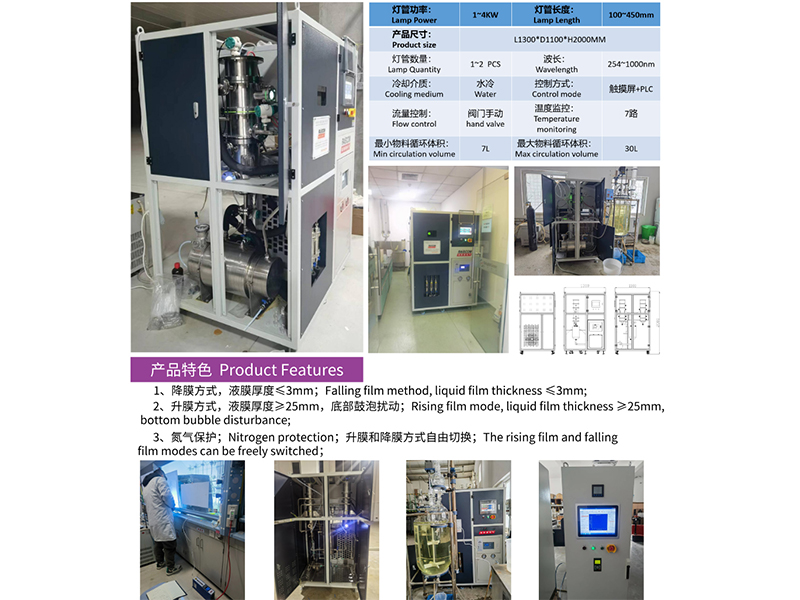
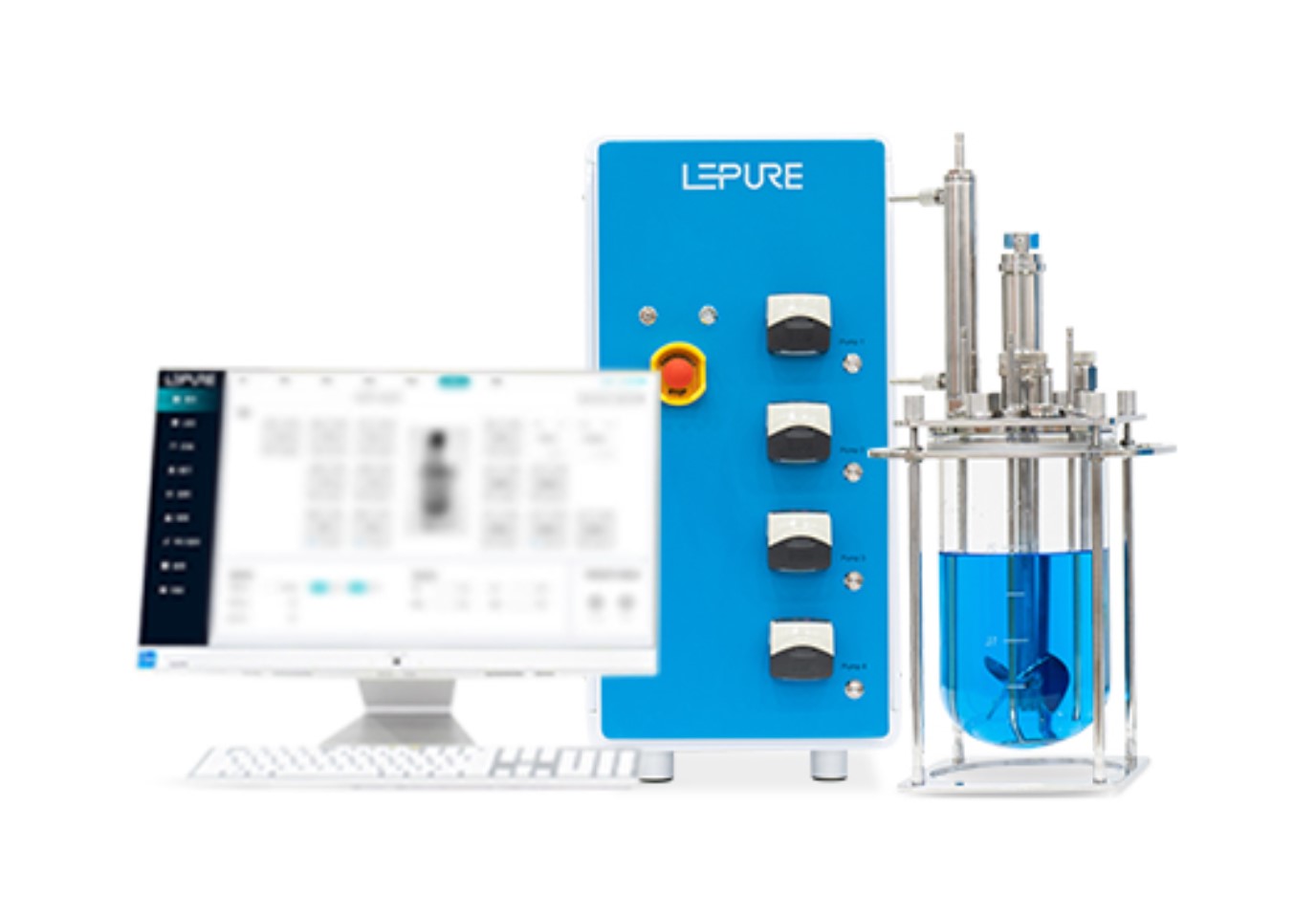
This series incubator has a precise temperature and humidity control system, so it can provide various environmental simulation conditions for the industry research, biology technology test etc. It’s applicable in the sterility and stability test of medicine, textile, food production, etc, as well as the test of material function, product package and life.
*The following content is generated by AI and is for reference only.
The device described is a specialized laboratory instrument designed to maintain precise environmental conditions for biological and material science applications. Known universally as a constant temperature and humidity incubator, this equipment provides a stable chamber where researchers can cultivate microorganisms, cell cultures, or store sensitive samples without external interference. Its primary function involves regulating both thermal levels and moisture content with high accuracy, ensuring that experimental variables remain consistent throughout long-term studies. This capability is critical for processes such as bacterial growth, enzyme activity testing, and the aging of materials under controlled stress conditions.
Operating principles rely on advanced heating elements combined with sophisticated humidification systems, often utilizing water reservoirs or steam generators to achieve desired relative humidity percentages. Modern units typically feature digital controllers that allow users to set specific targets, monitor real-time data via LCD displays, and receive alerts if parameters deviate from the norm. Safety mechanisms usually include over-temperature protection, independent limit alarms, and automatic power failure recovery to prevent sample loss during unexpected outages.
When utilizing this equipment, several precautions must be observed to ensure optimal performance and safety. First, avoid placing flammable or volatile substances inside the chamber unless the unit is specifically rated for such use, as internal heating elements can pose ignition risks. Second, ensure adequate ventilation around the device to dissipate heat effectively and prevent motor overheating. Third, regular cleaning of the interior and water reservoirs is essential to prevent mold growth and bacterial contamination, which could compromise experimental integrity. Additionally, users should verify that the power supply matches the device specifications to avoid electrical hazards. Proper calibration of sensors at regular intervals guarantees measurement reliability. Finally, do not obstruct air circulation vents, as restricted airflow can lead to uneven temperature distribution and inaccurate humidity control. By adhering to these operational guidelines, laboratories can maximize the lifespan of the incubator while maintaining the highest standards of scientific rigor and safety in their research environments.






 (All Rights Reserved)