Product Description
COA Specifications of In-house Standards
|
Appearance:
|
A white or almost white, amorphous powder; hygroscopic
|
|
Water
|
0.5%
|
|
Total impurities
|
0.375%
|
|
Purity (HPLC)
|
99.625%
|
|
Assay:
|
100.9%
|
AI Product Description
*The following content is generated by AI and is for reference only.
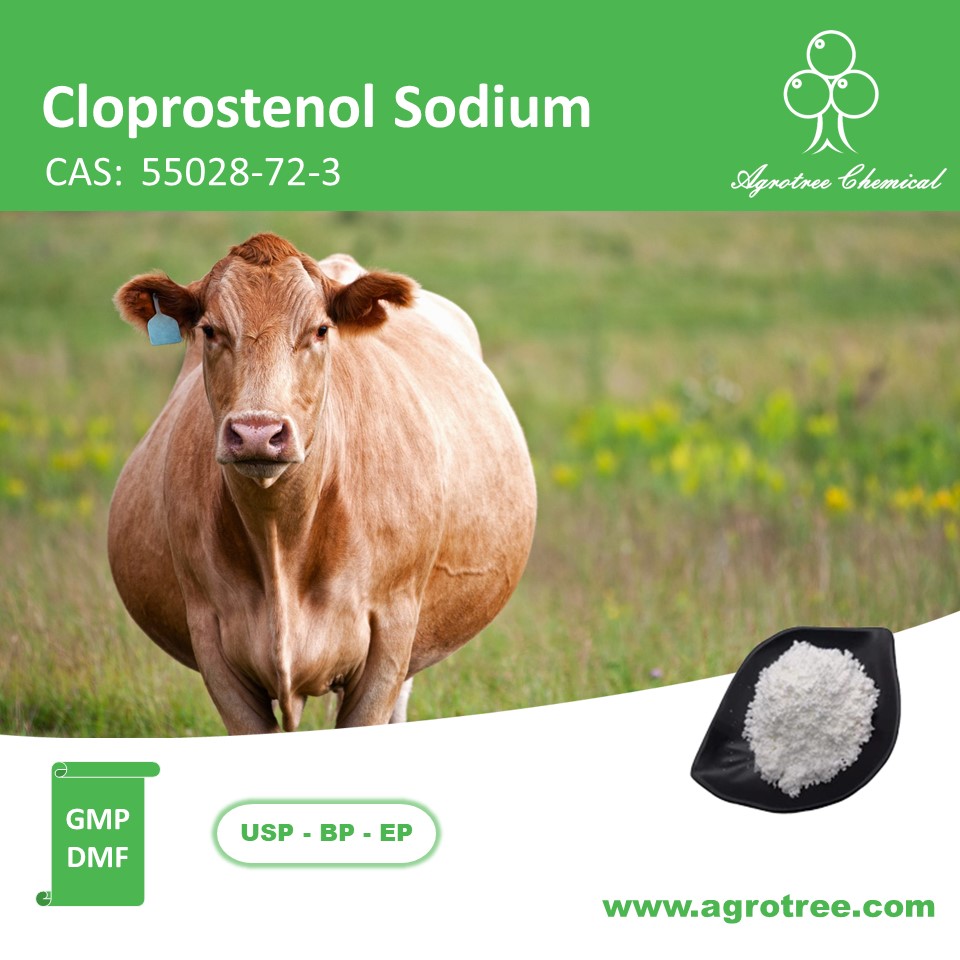
Cloprostenol Sodium is a potent synthetic prostaglandin F2α analog widely utilized in veterinary medicine for its profound effects on reproductive physiology. With the CAS number 78039-61-5, this compound serves as a critical tool for managing estrus cycles and inducing parturition in various livestock species, including cattle, sheep, and horses. Its molecular formula is C22H35NaO5, reflecting its sodium salt structure which enhances solubility and bioavailability compared to the free acid form. The drug functions by binding specifically to prostaglandin receptors in the uterus, triggering strong myometrial contractions and facilitating luteolysis, the breakdown of the corpus luteum. This mechanism effectively synchronizes estrus in herd management programs, allowing farmers to time breeding activities with precision. Consequently, Cloprostenol Sodium is indispensable for improving reproductive efficiency, reducing calving intervals, and enabling controlled timing of delivery in both spontaneous and induced scenarios. Beyond reproduction, it is occasionally employed in specific therapeutic contexts to resolve uterine infections or manage retained placenta, although its primary application remains focused on obstetrics. The product is typically formulated as an injectable solution, ensuring rapid onset of action within minutes after administration. Due to its high potency, precise dosing is essential to avoid adverse effects such as excessive pain, diarrhea, or premature labor in non-target animals. Regulatory approvals vary globally, but it is generally recognized as safe and effective when used according to established veterinary guidelines. As a cornerstone of modern animal husbandry, Cloprostenol Sodium continues to support sustainable production systems by optimizing fertility rates and streamlining herd management protocols. Its reliability has made it a standard pharmaceutical agent in veterinary clinics worldwide, contributing significantly to food security through improved livestock productivity. Researchers continue to study its pharmacokinetics to refine dosage regimens further, ensuring maximum efficacy while minimizing potential risks to animal welfare and consumer safety.





 (All Rights Reserved)