Product Description
Welcome to wellgreen's store on CPHI Platform.We are a professional production of plant herbal extract powder products source factory, with advanced production technology and equipment, team members are from the industry's elite talent. For the purpose of sustainable development, we actively explore and promote the application of plant extract in life, to provide consumers with high-quality, healthy and safe products.
AI Product Description
*The following content is generated by AI and is for reference only.
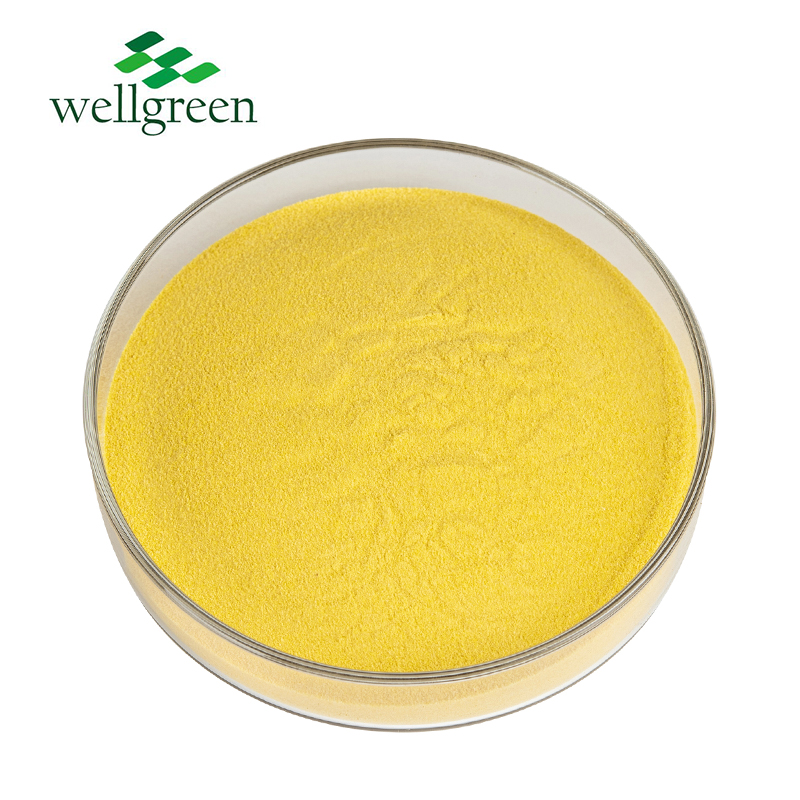
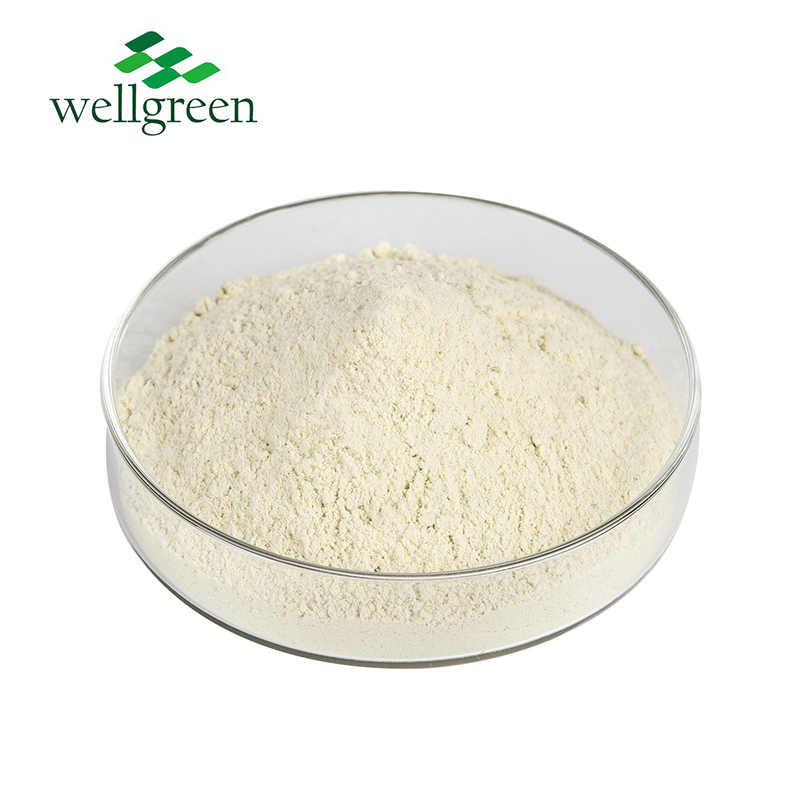
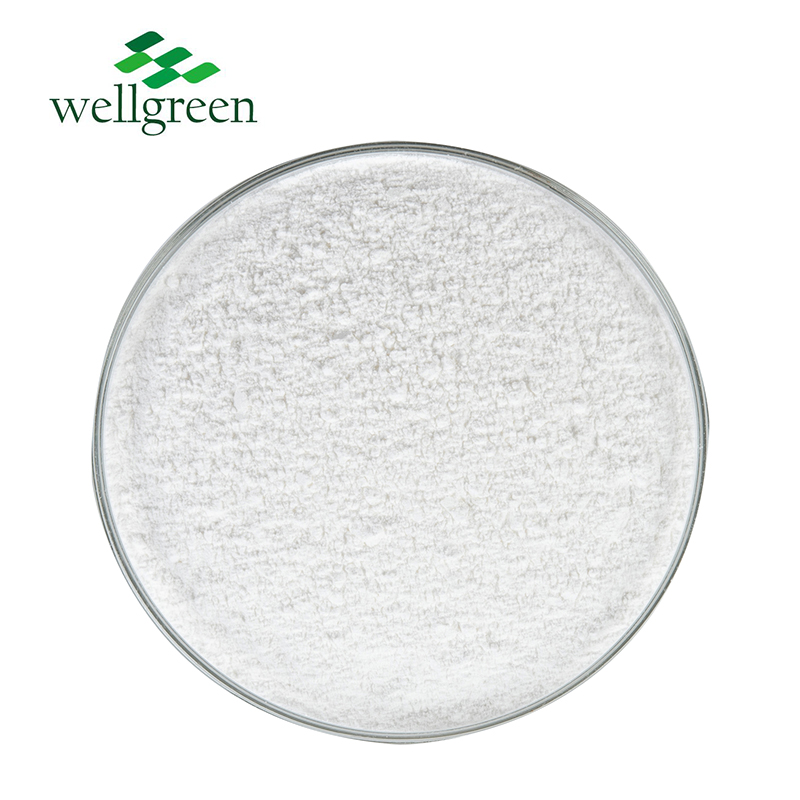
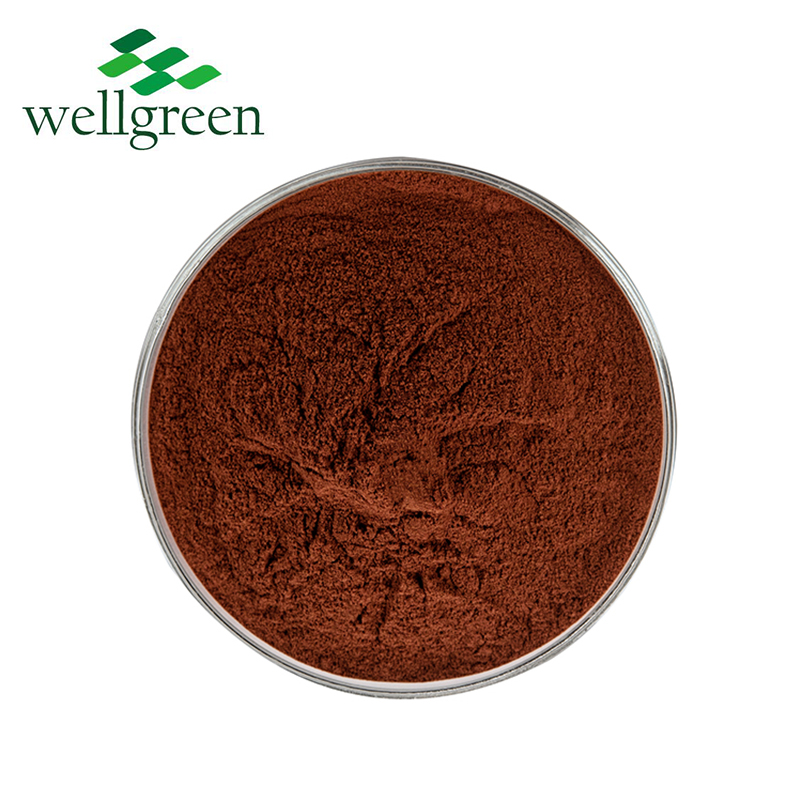
Chrysin, chemically known as 5,7-dihydroxyflavone, is a naturally occurring flavonoid found in various plants, including honey, propolis, and specific herbs like *Passiflora incarnata*. With a high purity grade of 99% determined by High-Performance Liquid Chromatography (HPLC), this compound represents a premium standard for research and pharmaceutical applications. Its molecular formula is C15H10O4, corresponding to a precise molecular weight of approximately 268.24 g/mol. The unique chemical structure features two hydroxyl groups at the 5 and 7 positions on the A-ring of the flavone backbone, which significantly influences its biological activity and solubility characteristics.
The primary CAS Registry Number for Chrysin is 491-70-3, serving as a universal identifier for scientific databases and regulatory compliance. As a potent bioactive agent, Chrysin has garnered significant attention in pharmacological studies for its diverse therapeutic potential. It is widely recognized for its anti-inflammatory properties, often inhibiting key inflammatory mediators such as COX-2 and iNOS. Furthermore, Chrysin exhibits strong antioxidant capabilities, effectively scavenging free radicals and protecting cellular structures from oxidative stress-induced damage.
In the realm of endocrinology, Chrysin is frequently investigated for its ability to modulate hormone levels, particularly by acting as an aromatase inhibitor, which may help regulate estrogen synthesis. This property makes it a subject of interest in metabolic syndrome research and hormonal balance studies. Additionally, emerging evidence suggests neuroprotective effects, potentially aiding in the mitigation of neurodegenerative conditions through the reduction of neuronal apoptosis. Due to its excellent stability and high purity verified by HPLC analysis, Chrysin 99% is extensively utilized in academic laboratories for in vitro assays, cell culture experiments, and preclinical drug development. Researchers rely on this standardized material to ensure reproducibility and accuracy in data generation regarding its mechanisms of action. While dietary supplements also contain Chrysin, the 99% HPLC grade version remains strictly reserved for rigorous scientific inquiry rather than direct human consumption without further formulation. Its versatility continues to drive ongoing investigations into novel therapeutic strategies for inflammation, cancer, and metabolic disorders.





 (All Rights Reserved)