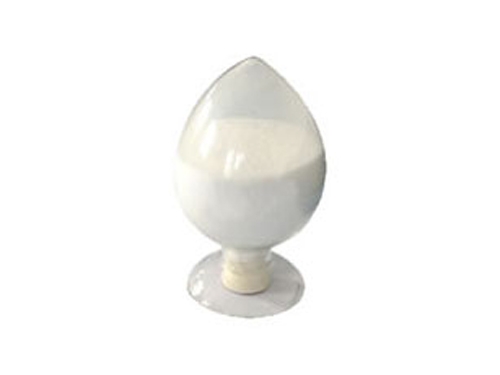
Product Description
- Cat. #: AKI-13
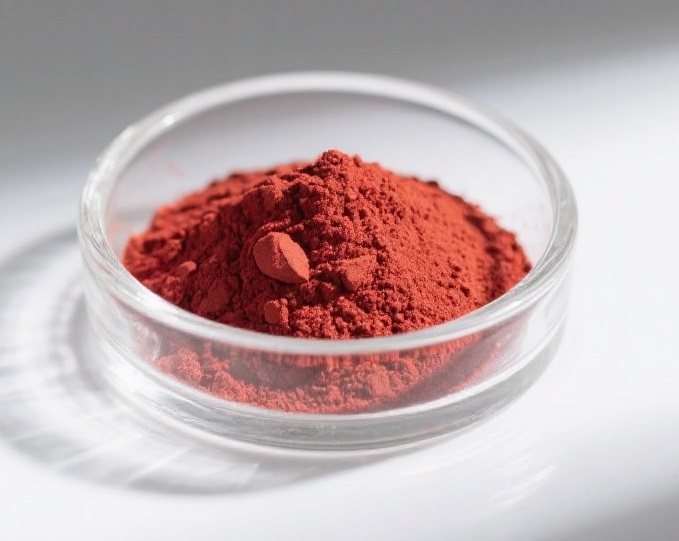
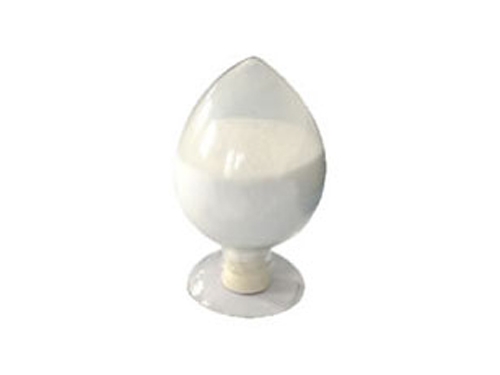
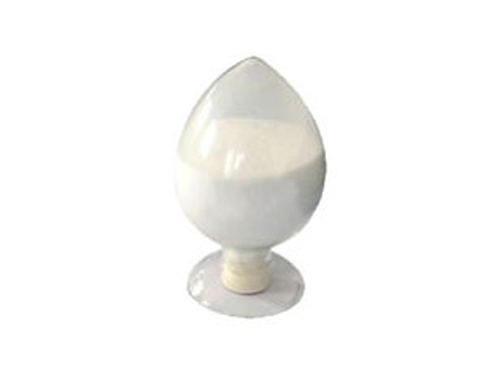
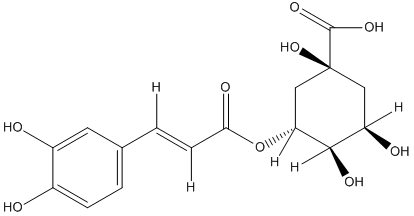
- Product: Chlorogenic acid
- CAS No.: 327-97-9
- Molecular Formula: C16H18O9
- Molecular Weight: 354.3087
- Plant Source: Eucommia ulmoides Oliv and Coffee Seeds
- Specification: Chlorogenic acid 50%min from Coffee Seeds and 98%, 99%min from Eucommia ulmoides Oliv
- Availability: In stock
AI Product Description
*The following content is generated by AI and is for reference only.
Chlorogenic acid, chemically known as 3-O-caffeoylquinic acid, is a naturally occurring polyphenolic compound widely distributed in plants. Its molecular formula is C16H18O9, and it carries the CAS registry number 327-97-9. This bioactive substance primarily exists as an ester formed between caffeic acid and quinic acid, though it can also be found in various isomeric forms such as 4-O-caffeoylquinic acid and 5-O-caffeoylquinic acid. It is most abundant in coffee beans, where roasting significantly alters its concentration, as well as in tea leaves, apples, pears, eggplants, and potatoes.
The primary applications of chlorogenic acid span across the food, pharmaceutical, and cosmetic industries due to its potent antioxidant properties. In the food sector, it serves as a natural preservative and functional ingredient, often added to beverages and dietary supplements to enhance health benefits. As a powerful antioxidant, it effectively scavenges free radicals, thereby reducing oxidative stress and inflammation within the human body. Research suggests potential therapeutic roles in managing metabolic disorders, including type 2 diabetes and obesity, by inhibiting glucose absorption and improving insulin sensitivity. Furthermore, it exhibits hepatoprotective effects, helping to protect liver cells from damage caused by toxins or alcohol consumption.
In the cosmetics industry, chlorogenic acid is valued for its skin-brightening capabilities and anti-aging properties. It inhibits tyrosinase activity, which helps reduce melanin production and fade hyperpigmentation, while simultaneously protecting skin collagen from degradation. Additionally, its anti-inflammatory nature makes it suitable for soothing sensitive skin conditions. The compound is generally recognized as safe (GRAS) when consumed in typical dietary amounts, making it a versatile candidate for nutraceutical development. Despite its stability challenges under high heat, extraction technologies have improved its isolation from natural sources, ensuring consistent quality for industrial use. Overall, chlorogenic acid represents a significant bridge between traditional herbal medicine and modern scientific validation, offering a multifaceted approach to promoting human health through natural means.




 (All Rights Reserved)