*The following content is generated by AI and is for reference only.
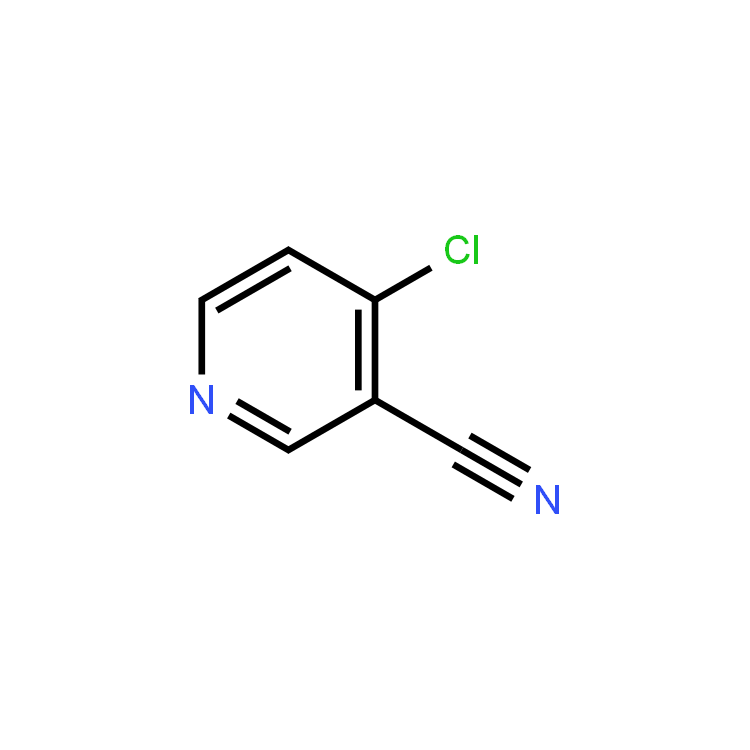
Bromothalonil is a synthetic fungicide belonging to the dithiocarbamate class, widely utilized in agricultural practices to protect crops against a broad spectrum of fungal and bacterial diseases. Its chemical identity is defined by the molecular formula C8H6Br2ClN3S4, and it is registered under the CAS number 1905-87-5. This compound functions primarily as a contact fungicide, meaning it acts on the surface of plant tissues rather than being absorbed systemically. Upon application, Bromothalonil disrupts essential enzymatic processes within fungal cells, effectively inhibiting spore germination and mycelial growth.
The primary applications of Bromothalonil include the management of late blight, early blight, and various leaf spots affecting potatoes, tomatoes, onions, and other vegetables. It is also frequently employed in the treatment of seeds to prevent soil-borne pathogens from infecting emerging seedlings. Due to its rapid action and broad-spectrum efficacy, it serves as a critical tool in integrated pest management (IPM) programs. Farmers often rotate this product with fungicides having different modes of action to mitigate the risk of pathogen resistance developing over time.
Safety and environmental considerations are paramount when handling Bromothalonil. While effective, it requires careful adherence to pre-harvest intervals and re-entry intervals specified on the label to ensure food safety for consumers. Proper personal protective equipment (PPE) is mandatory during mixing and application to prevent skin irritation or inhalation risks. Regulatory agencies globally monitor its usage levels to ensure compliance with maximum residue limits (MRLs) in food commodities. As agricultural demands evolve, Bromothalonil remains a valuable component in preserving crop yields and maintaining quality, provided it is used responsibly according to established guidelines. Its stability and cost-effectiveness continue to make it a preferred choice for many growers facing significant fungal pressure in diverse climatic conditions.