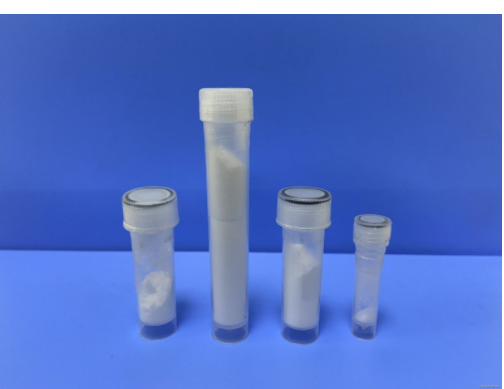
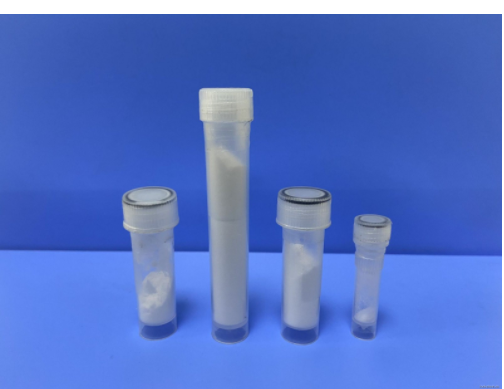
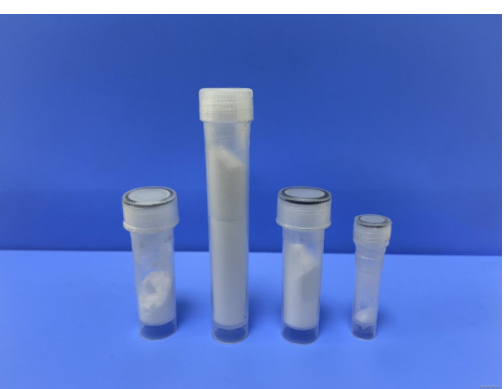
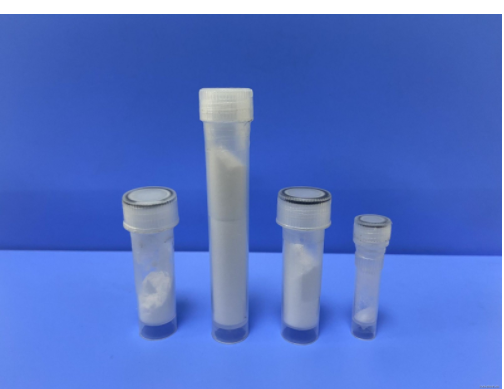
Product Description
Hangzhou Go Top Peptide Biotech Co.,Ltd. - a reliable supplier of peptides synthesis.Our clients include * the pharma, cosmetic and biotech companies and research institutions worldwide. Welcome to contact us by email to sales3@gotopbio.com
AI Product Description
*The following content is generated by AI and is for reference only.
BOP reagent, chemically known as (Benzotriazol-1-yloxy)tris(dimethylamino)phosphonium hexafluorophosphate, is a widely utilized phosphonium salt in modern organic synthesis. With the molecular formula C₁₆H₂₅BF₆N₄O and CAS number 36807-24-8, this compound serves as a highly efficient coupling agent for peptide bond formation and other amide syntheses. Unlike older coupling methods that often required harsh conditions or produced significant byproducts, BOP reagent operates under mild conditions, making it ideal for synthesizing complex peptides, proteins, and various bioactive molecules without causing racemization of chiral centers.
The mechanism involves the activation of carboxylic acids to form an active ester intermediate, which then reacts rapidly with amines to yield the desired amide product. A notable feature of BOP is its compatibility with a broad range of amino acids, including those with sensitive side chains. However, users must be aware that BOP releases HOBt (hydroxybenzotriazole) as a byproduct during the reaction, which can sometimes pose explosion risks if accumulated in large quantities or subjected to friction and heat. Consequently, safety protocols strictly recommend handling the reagent with care, avoiding grinding or excessive heating of the solid material.
In pharmaceutical research and industrial applications, BOP is indispensable for constructing peptidomimetics, drug candidates, and oligonucleotide derivatives. Its high solubility in common polar aprotic solvents like DMF and DCM ensures smooth reaction kinetics. While alternative reagents such as HATU or PyBOP exist, BOP remains a standard choice due to its cost-effectiveness and reliability in academic laboratories. Despite the potential hazards associated with its byproducts, proper handling procedures mitigate risks effectively. The versatility of BOP reagent continues to support advancements in medicinal chemistry, enabling the precise assembly of molecular architectures essential for therapeutic development. Researchers frequently rely on its predictable performance to achieve high yields in multi-step syntheses, solidifying its status as a cornerstone reagent in the field of chemical biology and drug discovery.




 (All Rights Reserved)