*The following content is generated by AI and is for reference only.
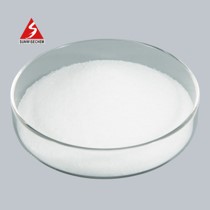
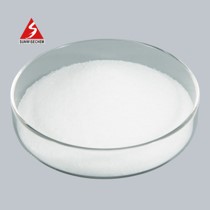
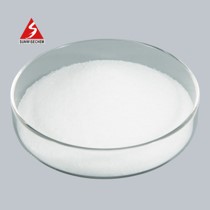
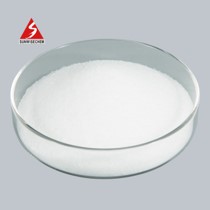
Boc-O-benzyl-L-tyrosine is a widely utilized protected amino acid derivative in the field of organic synthesis and pharmaceutical research. Its systematic chemical name reflects its structure: it features an L-tyrosine backbone where the alpha-amino group is protected by a tert-butyloxycarbonyl (Boc) group, and the phenolic hydroxyl group is protected by a benzyl (Bn) ether moiety. This dual protection strategy renders the molecule highly stable under various reaction conditions while allowing for selective deprotection later in synthetic sequences.
The molecular formula of Boc-O-benzyl-L-tyrosine is C20H23NO4, with a molecular weight of approximately 345.4 g/mol. It is identified by the CAS number 16978-58-2. As a chiral compound derived from natural L-tyrosine, it retains optical purity, which is critical for synthesizing biologically active peptides and proteins. The presence of the benzyl group on the oxygen atom prevents unwanted side reactions at the phenol site, such as oxidation or alkylation, during peptide coupling processes. Meanwhile, the Boc group effectively masks the nucleophilic amine, preventing self-polymerization or cross-linking.
This reagent is primarily employed as a building block in solid-phase peptide synthesis (SPPS) and solution-phase peptide synthesis. Researchers utilize it to construct complex therapeutic peptides, particularly those requiring tyrosine residues that must remain unmodified during intermediate steps. The benzyl protecting group is typically removed via hydrogenation using palladium on carbon, whereas the Boc group can be cleaved using strong acids like trifluoroacetic acid (TFA). This orthogonal deprotection capability allows chemists to manipulate specific functional groups with high precision. Furthermore, Boc-O-benzyl-L-tyrosine serves as a key intermediate in the development of novel drug candidates, including kinase inhibitors and enzyme modulators. Its availability in high purity makes it indispensable for academic laboratories and industrial pharmaceutical manufacturing facilities aiming to produce high-quality peptide-based therapeutics. Proper storage in a cool, dry place away from light ensures long-term stability and maintains the integrity of the protecting groups.