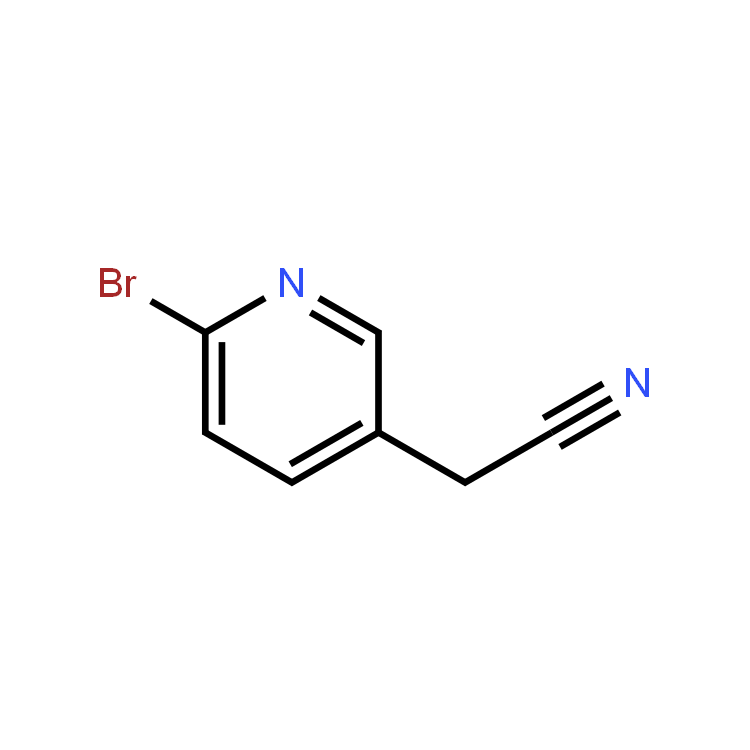
Product Description
Pharmaceutical
Raw Materials and Intermediates
AI Product Description
*The following content is generated by AI and is for reference only.
Boc-L-Prolinol, chemically known as N-Boc-L-prolinol or (S)-1-(tert-butoxycarbonyl)pyrrolidin-2-ylmethanol, is a versatile chiral building block widely utilized in modern organic synthesis and pharmaceutical research. Its molecular formula is C9H17NO3, and it carries the CAS registry number 86054-66-6. This compound features a protected amino group via a tert-butyloxycarbonyl (Boc) moiety attached to the pyrrolidine ring of L-proline, with a primary hydroxymethyl group at the C2 position. The presence of both the Boc protecting group and the free hydroxyl functionality makes it an ideal intermediate for constructing complex heterocyclic systems and peptidomimetics.
In laboratory settings, Boc-L-Prolinol serves as a crucial precursor for synthesizing various proline derivatives, including oxazolidinones and azabicyclic compounds. It is frequently employed in asymmetric catalysis, where its chiral center directs stereoselective transformations, such as aldol reactions and Michael additions. The Boc group provides necessary stability during synthetic sequences, allowing for selective deprotection under acidic conditions without affecting other sensitive functional groups. Furthermore, this reagent is instrumental in the development of novel drug candidates, particularly those targeting neurological disorders, cardiovascular diseases, and infectious agents, due to the biological relevance of the proline scaffold.
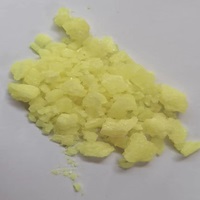
The compound is typically supplied as a white to off-white crystalline solid or powder, exhibiting high optical purity essential for enantioselective applications. Researchers often utilize it in peptide chemistry to introduce conformational constraints that enhance metabolic stability and binding affinity. Its solubility profile allows for easy handling in common organic solvents like dichloromethane, ethanol, and ethyl acetate. As the demand for chiral molecules grows within the fine chemical industry, Boc-L-Prolinol remains a staple reagent for medicinal chemists aiming to optimize lead compounds. Its ability to act as both a nucleophile and an electrophile depending on reaction conditions underscores its flexibility in multi-step synthesis pathways. Consequently, this molecule represents a fundamental tool for advancing drug discovery efforts and creating sophisticated molecular architectures with defined stereochemistry.



 (All Rights Reserved)
![6,8-Dioxo-5,7-diazaspiro[3.4]octane-2-carboxylic acid](https://eimg.pharmasources.com/image/product/20250403/02effeb5a7639bc84ff1f3add3c0c64fjpg)
![8,16-Diazadispiro[6.1.6.2]heptadecan-17-one](https://eimg.pharmasources.com/image/product/20250403/ca91cba8b87e53fc879f8d8764873a40jpg)
![8-Oxa-1,3-diazaspiro[4.5]decane-2,4-dione](https://eimg.pharmasources.com/image/product/20250403/60fa7223d5a34f24138486ceea0ffb15jpg)