Product Description
Pharmaceutical
Raw Materials and Intermediates
AI Product Description
*The following content is generated by AI and is for reference only.
Boc-D-Prolinol, chemically known as (S)-1-tert-butoxycarbonylpyrrolidin-2-ylmethanol or Boc-D-Pro-OH derivative, is a valuable chiral building block widely utilized in modern organic synthesis and pharmaceutical development. Its molecular formula is C₁₀H₁₉NO₃, and it carries the CAS Registry Number 136594-78-0. This compound features a protected hydroxymethyl group on the pyrrolidine ring of D-proline, where the tert-butyloxycarbonyl (Boc) moiety serves as a robust amine protecting group. The presence of both the secondary alcohol and the carbamate functionality makes it highly versatile for constructing complex molecular architectures.
In medicinal chemistry, Boc-D-Prolinol is frequently employed as a chiral auxiliary or a ligand precursor in asymmetric catalysis. It plays a critical role in the synthesis of peptidomimetics, beta-lactams, and various nitrogen-containing heterocycles that exhibit potent biological activities. Researchers often utilize this reagent to introduce stereochemical complexity into drug candidates, ensuring high enantiomeric purity which is essential for pharmacological efficacy and safety. The Boc group offers significant advantages due to its stability under basic conditions and ease of removal using acidic reagents like trifluoroacetic acid (TFA), allowing for selective deprotection strategies during multi-step syntheses.
Furthermore, Boc-D-Prolinol serves as an intermediate in the preparation of proline-derived organocatalysts, which have revolutionized green chemistry by enabling metal-free, environmentally friendly synthetic pathways. Its solubility profile allows for efficient handling in common organic solvents such as dichloromethane, ethyl acetate, and alcohols. As the demand for novel therapeutic agents grows, the utility of chiral pool materials like Boc-D-Prolinol remains indispensable. It facilitates the rapid assembly of diverse scaffolds, accelerating the discovery pipeline for new drugs targeting oncology, infectious diseases, and metabolic disorders. Consequently, this compound stands as a fundamental tool in the arsenal of synthetic chemists striving to create sophisticated, bioactive molecules with precision and efficiency.
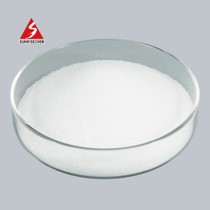



 (All Rights Reserved)
![8,16-Diazadispiro[6.1.6.2]heptadecan-17-one](https://eimg.pharmasources.com/image/product/20250403/ca91cba8b87e53fc879f8d8764873a40jpg)
![6,8-Dioxo-5,7-diazaspiro[3.4]octane-2-carboxylic acid](https://eimg.pharmasources.com/image/product/20250403/02effeb5a7639bc84ff1f3add3c0c64fjpg)
![8-Oxa-1,3-diazaspiro[4.5]decane-2,4-dione](https://eimg.pharmasources.com/image/product/20250403/60fa7223d5a34f24138486ceea0ffb15jpg)
