Product Description
Pharmaceutical
Raw Materials and Intermediates
AI Product Description
*The following content is generated by AI and is for reference only.
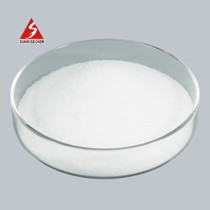
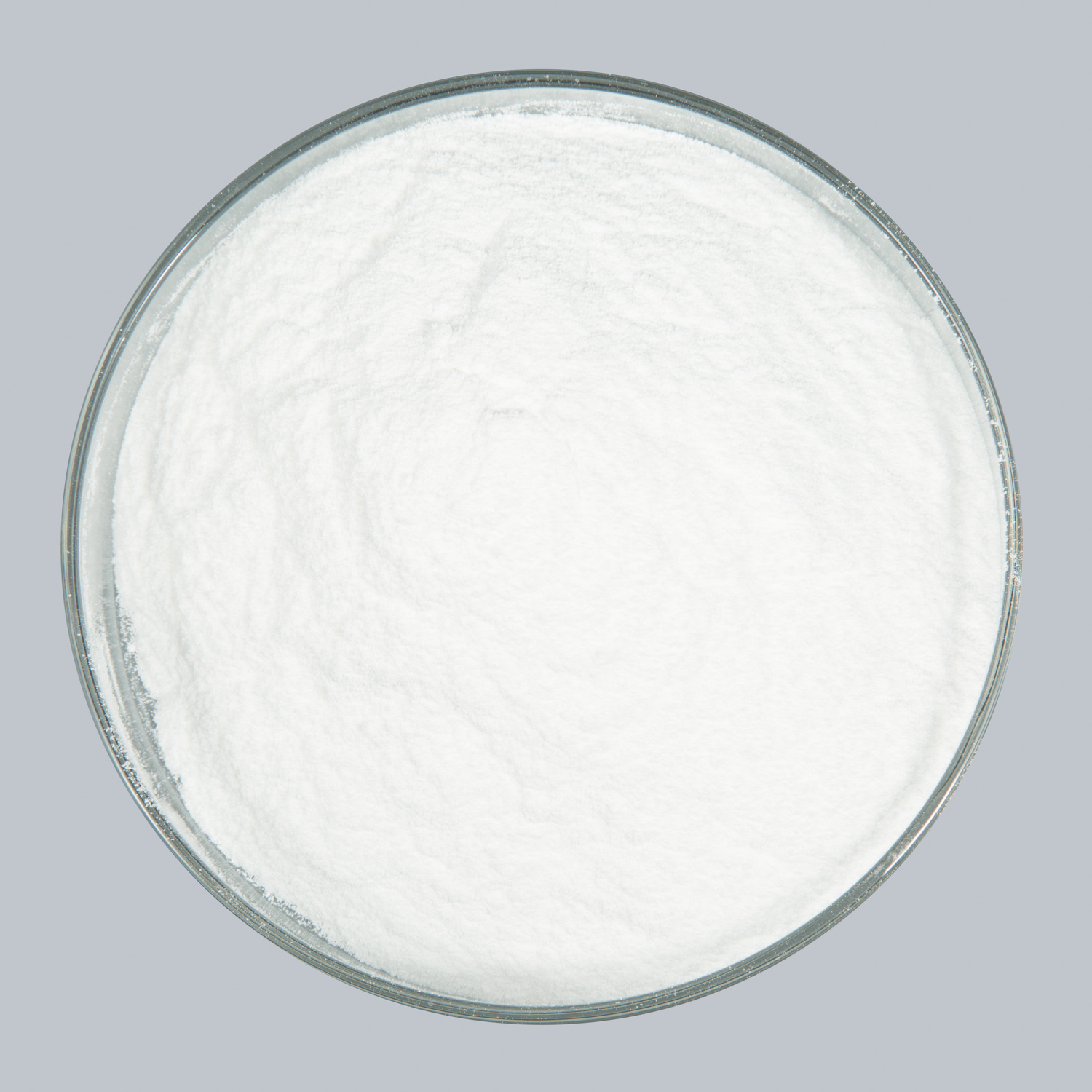
BOC-D-3-Methylphenylalanine, often abbreviated as BOC-D-3-Me-Phe, is a specialized N-protected amino acid derivative widely utilized in the field of peptide synthesis and medicinal chemistry. While specific commercial catalog numbers like "BOC-D-3-Methylphe" may vary slightly between suppliers, the core chemical entity refers to the N-(tert-butoxycarbonyl) protected form of D-3-methylphenylalanine. The molecular formula for this compound is typically C14H19NO4, with a molecular weight of approximately 265.30 g/mol. Its CAS number is commonly associated with variations such as 15887-25-3 or similar identifiers depending on the specific stereochemical purity and supplier documentation, though exact verification against current databases is recommended for critical applications.
The primary function of BOC-D-3-Methylphenylalanine lies in its role as a building block for solid-phase peptide synthesis (SPPS). The BOC protecting group provides stability during acidic deprotection steps, allowing chemists to selectively remove it using trifluoroacetic acid (TFA) without affecting other sensitive functional groups in complex peptide chains. This molecule is particularly valuable because the methyl substitution at the meta-position of the phenyl ring introduces unique steric and electronic properties compared to standard phenylalanine. These modifications can significantly influence the conformational flexibility, hydrophobicity, and metabolic stability of the resulting peptides.
In pharmaceutical research, derivatives containing this scaffold are investigated for their potential as bioactive agents, including enzyme inhibitors, receptor ligands, and antimicrobial compounds. The D-isomer configuration is especially sought after in drug development, as it often confers resistance to proteolytic degradation by common L-specific enzymes, thereby extending the half-life of therapeutic peptides in vivo. Furthermore, the presence of the chiral center allows for the precise construction of diastereomers essential for structure-activity relationship (SAR) studies. Researchers employ this reagent to synthesize cyclic peptides, peptidomimetics, and complex natural product analogs. Due to its high sensitivity to moisture and light, proper storage under inert atmospheres at low temperatures is advised to maintain chemical integrity. Overall, BOC-D-3-Methylphenylalanine remains an indispensable tool for advancing the frontiers of organic synthesis and drug discovery.





 (All Rights Reserved)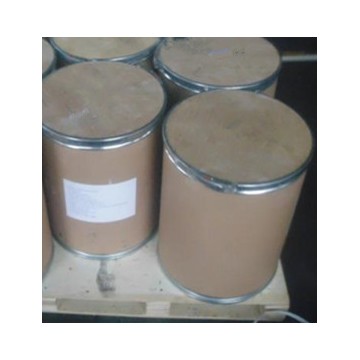
![6,8-Dioxo-5,7-diazaspiro[3.4]octane-2-carboxylic acid](https://eimg.pharmasources.com/image/product/20250403/02effeb5a7639bc84ff1f3add3c0c64fjpg)
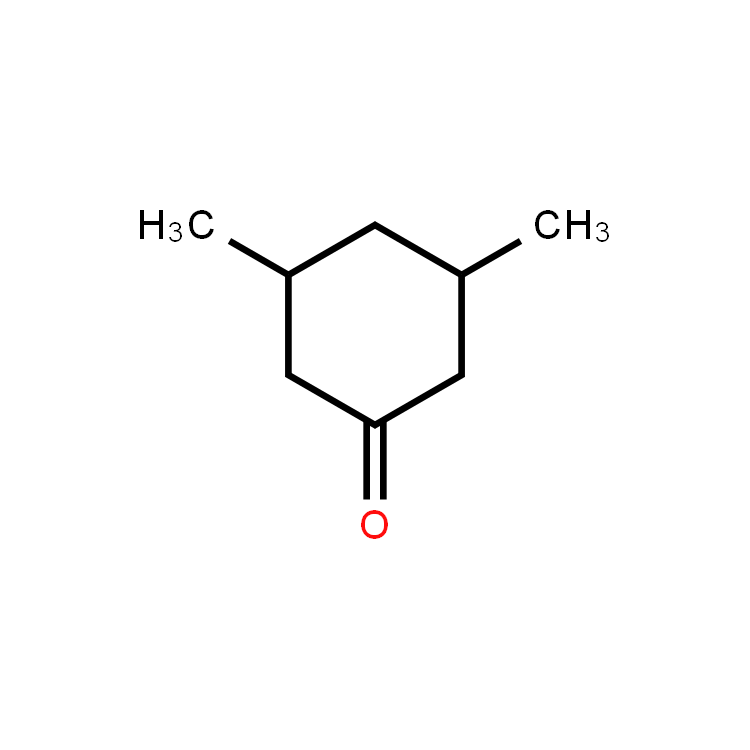
![8-Oxa-1,3-diazaspiro[4.5]decane-2,4-dione](https://eimg.pharmasources.com/image/product/20250403/60fa7223d5a34f24138486ceea0ffb15jpg)
![8,16-Diazadispiro[6.1.6.2]heptadecan-17-one](https://eimg.pharmasources.com/image/product/20250403/ca91cba8b87e53fc879f8d8764873a40jpg)
